
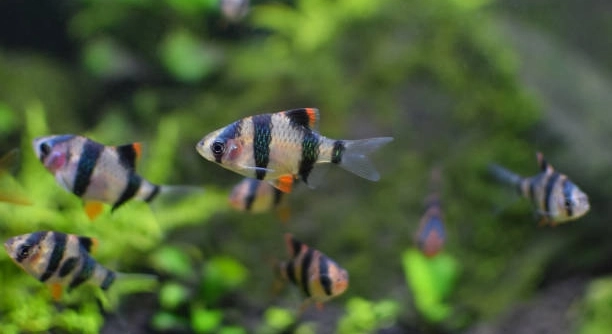
Tiger barbs are lively, colorful fish that many aquarium lovers enjoy keeping. Choosing the right tank shape helps create a comfortable and healthy environment for them. Proper tank design supports their natural behaviors and well-being.
Tiger barbs thrive best in tanks that provide ample swimming space and hiding spots. Common ideal shapes include rectangular, bow-front, hexagonal, and round tanks, each offering different benefits for movement and social interaction. The tank’s design should encourage activity while minimizing stress.
Knowing which tank shapes suit tiger barbs can improve their health and happiness. The following guide highlights seven popular options to consider for your aquarium setup.
Rectangular Tanks
Rectangular tanks are the most common choice for tiger barbs. They provide plenty of horizontal swimming space, which suits the active nature of these fish. With a long and wide base, rectangular tanks allow tiger barbs to move around freely and engage in their natural schooling behavior. This shape also makes it easier to arrange decorations and plants, creating hiding spots that help reduce stress. Additionally, rectangular tanks fit well in most rooms and offer straightforward maintenance. Their design encourages good water circulation, which supports healthy oxygen levels essential for tiger barbs. Because of these benefits, rectangular tanks remain a popular and practical option for many aquarists who keep tiger barbs.
Rectangular tanks support tiger barbs’ active swimming and social behavior. Their shape balances space and usability efficiently.
The versatility of rectangular tanks lets you customize the environment with varied decorations and plants. They work well for both beginners and experienced keepers, providing a stable habitat. The shape also simplifies adding filtration and lighting systems. This makes the tank easy to maintain and adapt as your fish grow. Overall, rectangular tanks give a good foundation for a healthy tiger barb aquarium.
Bow-front Tanks
Bow-front tanks have a curved glass front that provides a unique viewing experience. This shape offers a bit more interior space compared to standard rectangular tanks of the same dimensions. The gentle curve creates a wider swimming area for tiger barbs, which they tend to appreciate.
The extra space and improved visibility make bow-front tanks a great choice for those wanting a stylish setup. Their curved design encourages tiger barbs to swim more actively, promoting exercise and natural behaviors. However, the curved glass can make tank maintenance and decoration placement a bit trickier than in rectangular tanks. Still, many find the visual appeal worth the extra effort. If you want a tank that combines function with aesthetic value, bow-front tanks are worth considering for your tiger barbs.
Hexagonal Tanks
Hexagonal tanks offer multiple viewing angles, making the aquarium visually interesting. The shape provides decent swimming space for tiger barbs, though it’s not as spacious as rectangular tanks.
The six sides create natural corners, which can be used to place plants or decorations that offer hiding spots. Tiger barbs like having places to retreat when they feel stressed. However, the shape limits the length of open swimming areas, so it’s better suited for smaller groups of tiger barbs rather than large schools. These tanks also tend to have a smaller water volume, which means water quality needs careful monitoring.
Despite some space limits, hexagonal tanks can provide a cozy and stimulating environment. Their unique shape adds style and offers good visibility, making it easier to enjoy your fish from different angles.
Round Tanks
Round tanks are popular for their smooth design and ability to maximize space in small rooms. The continuous curve creates a uniform environment without sharp corners, which can be safer for tiger barbs.
However, the circular shape may reduce swimming space compared to rectangular tanks. It can also create uneven water flow, potentially stressing fish if the filter setup isn’t ideal. Decorations can be tricky to arrange because of the round walls, limiting hiding spots. Still, a round tank’s visual appeal and compact design suit small collections of tiger barbs. Proper care and thoughtful decoration can help create a comfortable space despite the shape’s limitations.
Tall Tanks
Tall tanks take up less floor space but offer more vertical swimming room. Tiger barbs usually prefer horizontal space, so tall tanks might feel a bit restrictive for them.
Using vertical decorations like plants can encourage tiger barbs to explore the height, but they still need enough horizontal space to swim comfortably.
Bowed Corner Tanks
Bowed corner tanks fit neatly into room corners, saving space while offering good swimming area. Their curved design provides a unique shape that creates interesting swimming paths for tiger barbs. This tank style balances aesthetics with practical space usage, making it a solid option for moderate-sized tiger barb groups.
Oval Tanks
Oval tanks combine the smooth curves of round tanks with a longer swimming area. This shape allows tiger barbs more room to move around compared to purely round tanks, making it a good compromise for active fish. The curved walls also help reduce stress by avoiding sharp corners.
FAQ
What size tank is best for tiger barbs?
A tank that is at least 20 gallons is recommended for a small group of tiger barbs. They are active swimmers and need space to move freely. Larger tanks allow more stable water conditions and better social interaction among the fish.
How many tiger barbs can I keep in one tank?
Keeping at least six tiger barbs is ideal because they are schooling fish. A group helps reduce aggression. For every additional 10 gallons, you can add about four more tiger barbs. Overcrowding can cause stress and health issues.
Can tiger barbs live in a community tank?
Yes, but careful selection of tank mates is important. Tiger barbs can be nippy, especially to slow-moving or long-finned fish. Suitable tank mates include other fast and semi-aggressive species. Avoid small or delicate fish that could be bullied.
What tank decorations do tiger barbs prefer?
Tiger barbs enjoy tanks with plants, rocks, and hiding spots. Dense planting and driftwood create areas to explore and retreat. Open swimming areas are also necessary since they are very active. Avoid sharp decorations that might harm their fins.
How often should I clean a tiger barb tank?
Regular maintenance is key to their health. Perform partial water changes of 20-30% weekly. Clean the substrate and remove uneaten food to prevent water quality issues. Filters should be checked monthly to keep them functioning properly.
What water conditions do tiger barbs need?
Tiger barbs prefer slightly acidic to neutral water with a pH between 6.0 and 7.5. Temperature should be kept between 74°F and 79°F (23°C to 26°C). Consistent water parameters reduce stress and improve their overall health.
Can I keep tiger barbs alone?
It’s not recommended to keep tiger barbs alone because they are schooling fish. Without companions, they may become stressed or display aggressive behavior. A group of at least six allows them to interact naturally and feel secure.
Are tiger barbs easy to care for?
Tiger barbs are considered moderately easy to care for. They require stable water conditions, a proper tank size, and a balanced diet. Their active nature means they benefit from an environment that supports swimming and social interaction.
What do tiger barbs eat?
Tiger barbs are omnivores. A diet including high-quality flakes or pellets, supplemented with live or frozen foods like brine shrimp and bloodworms, keeps them healthy. Feeding small amounts two to three times daily prevents overfeeding.
How do I reduce aggression in tiger barbs?
Keeping them in groups helps disperse aggression. Providing plenty of hiding places and space reduces stress. Avoid overcrowding and ensure the tank is large enough. Feeding regularly and maintaining good water quality also contribute to calmer behavior.
Choosing the right tank shape for tiger barbs plays a key role in their overall health and happiness. Each tank shape has its benefits and limitations, but the main goal is to provide enough swimming space and hiding spots. Tiger barbs are active fish that enjoy moving around in schools, so tanks that offer wide, open areas tend to work best. Rectangular tanks remain the most popular because they give plenty of horizontal space and are easy to set up and maintain. However, other shapes like bow-front and oval tanks can add visual interest while still supporting the fish’s needs. It is important to think about how the shape affects water flow, decoration placement, and fish behavior.
Maintaining a balanced environment in any tank shape is just as important as the shape itself. Good water quality, stable temperature, and proper filtration are essential to keep tiger barbs healthy. Decorations and plants should create enough cover without crowding the tank, giving the fish a place to hide and feel secure. Tiger barbs can be a bit nippy, so a well-planned layout helps reduce stress and aggression. When choosing a tank, consider your space and maintenance abilities, along with how many fish you want to keep. A comfortable, clean environment encourages natural behavior and makes your fish easier to care for.
In the end, the best tank shape depends on your preferences and living space, but it should always prioritize the needs of the tiger barbs. Active fish need space to swim and places to explore. Choosing a tank that supports these needs will lead to healthier fish and a more enjoyable aquarium experience. Taking time to research and plan will help you find the right balance between aesthetics and function. With the proper tank, your tiger barbs will thrive and brighten your home for years to come.

Hello,
If you enjoy the content that we create, please consider saying a "Thank You!" by leaving a tip.
Every little bit helps us continue crafting quality advice that supports the health, happiness, and well-being of pets around the world, for pets of all shapes, sizes, and species.
We really appreciate the kindness and support that you show us!