
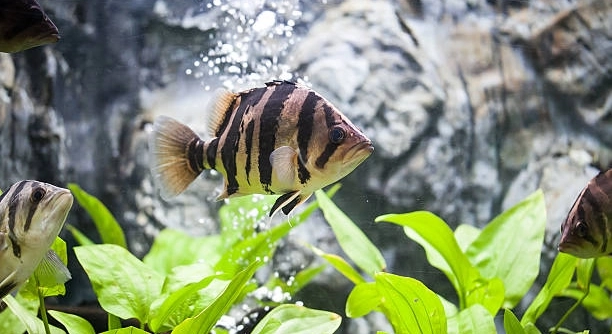
Tiger barbs are lively freshwater fish often kept in home aquariums. Many fishkeepers enjoy watching their energetic movements as they swim around. Understanding how tiger barbs interact with their environment can improve tank setup and care.
Tiger barbs typically explore much of their tank, actively swimming through different areas. Their natural curiosity and social behavior drive them to investigate surroundings, but they may also establish favorite spots depending on tank conditions and tank mates.
Learning about tiger barbs’ tank exploration habits can help create a better environment for them. Proper tank design and decoration influence how they move and feel comfortable.
How Tiger Barbs Move in Their Tank
Tiger barbs are active swimmers, constantly moving throughout the aquarium. They tend to explore open spaces, darting between plants, rocks, and decorations. Their movements are often quick and energetic, which reflects their natural behavior in the wild. These fish are social and usually swim in groups, which encourages them to cover more area together. When the tank is large and well-decorated, tiger barbs will be more likely to explore fully, using hiding spots and swim-through areas. However, if the tank is too small or crowded, their movement may be limited. Lighting, water quality, and tank mates also affect how comfortable they feel to explore. A well-balanced environment keeps them active and curious. Watching their interaction with the environment can also give clues about their health and happiness.
Tank size and layout play key roles in encouraging tiger barbs to explore their surroundings fully.
Tank decorations like plants and caves provide interest and encourage exploration while offering places to rest and hide from stress or aggression.
Factors Affecting Tank Exploration
Tank size impacts tiger barbs’ movement significantly. A larger tank allows for more swimming space, reducing stress and promoting natural behavior. Smaller tanks may restrict their activity and increase aggression among tank mates. Water conditions must be stable, with proper temperature and clean water, so the fish feel safe to move freely. Lighting influences their comfort; moderate lighting mimics natural conditions, encouraging exploration without causing stress. The presence of tank mates also matters. Tiger barbs are schooling fish, so they prefer groups of five or more. This social structure reduces stress and encourages them to swim more actively together. Aggressive or territorial fish can limit their movement by causing stress or chasing them away from parts of the tank. The right balance of these factors ensures that tiger barbs will explore their environment more completely and display natural behaviors. Providing hiding spots helps when aggression occurs, giving them places to retreat.
Understanding these factors helps in creating a better habitat for tiger barbs, encouraging their natural swimming patterns.
Proper care and tank setup improve the health and happiness of tiger barbs, making the aquarium more enjoyable to watch.
Tank Size and Its Impact on Exploration
A larger tank gives tiger barbs more space to swim and explore freely. Small tanks can make them feel confined, reducing their activity and causing stress.
In tanks under 20 gallons, tiger barbs often have limited swimming room, which can lead to aggression and territorial behavior. When given ample space, such as 30 gallons or more, these fish spread out and explore different zones, balancing activity with rest. More room also allows better placement of plants and decorations, which encourages natural exploration. Limited tank size can cause boredom, making the fish less lively. Therefore, a bigger tank directly supports their physical and mental well-being.
Tank size also influences water quality. Larger tanks tend to be more stable, offering a healthier environment. Stable water conditions allow tiger barbs to feel secure, encouraging them to swim confidently throughout the tank. Proper tank dimensions create an environment where their natural behaviors thrive.
Social Behavior and Group Dynamics
Tiger barbs are schooling fish that feel safer and more active in groups of five or more. Alone, they can become stressed and shy.
In a proper group, tiger barbs display coordinated swimming and interact frequently. This social behavior stimulates exploration and reduces aggression among themselves. Without enough companions, their behavior may change, becoming withdrawn or more aggressive toward other species. Group living encourages them to investigate all parts of the tank and engage with their surroundings. It also helps them establish a social hierarchy, which lowers tension and promotes peaceful coexistence. Ensuring a proper group size benefits both the fish and the tank environment by balancing activity and harmony. Social interaction plays a crucial role in encouraging tiger barbs to move through and explore their entire tank.
Tank Decorations and Exploration
Plants and decorations create a stimulating environment for tiger barbs. They offer places to explore and hide, encouraging movement throughout the tank.
Without enough hiding spots, tiger barbs may stay in one area to feel safe. A well-decorated tank invites more natural behavior and reduces stress.
Lighting Effects on Activity
Lighting affects how comfortable tiger barbs feel in their tank. Moderate lighting simulates their natural habitat, encouraging them to swim and explore. Too bright or too dim lighting can make them hide or become less active. Balanced lighting supports healthy activity and exploration.
Aggression and Territory
Aggression from tank mates can limit how much tiger barbs explore. Stress from bullying may cause them to hide more often, restricting their movement.
How much space do tiger barbs need to explore properly?
Tiger barbs need at least a 30-gallon tank to move comfortably and explore. Smaller tanks limit their swimming area, causing stress and sometimes aggression. More space means they can swim freely, establish territories, and interact with tank mates. Providing enough room supports their natural behavior and keeps them healthy.
Do tiger barbs explore more when kept in groups?
Yes, tiger barbs are schooling fish and feel safer in groups of five or more. When in a group, they swim actively together, encouraging exploration throughout the tank. Alone or in small numbers, they tend to hide and become less active due to stress. A proper group size helps reduce aggression and keeps them moving.
What role do tank decorations play in exploration?
Decorations like plants, rocks, and caves create interesting areas for tiger barbs to investigate. These spots provide hiding places, which make the fish feel secure. When fish feel safe, they explore more confidently. A bare tank often leads to boredom and less movement. Balanced decoration supports natural behavior and helps reduce stress.
How does lighting affect tiger barbs’ exploration?
Moderate lighting encourages tiger barbs to swim and explore naturally. Too bright lights can stress them, causing hiding or less movement. Too dim lighting may make them inactive. Lighting that mimics their natural habitat supports healthy activity and helps regulate their daily patterns.
Can aggressive tank mates limit tiger barbs’ movement?
Yes, aggressive or territorial fish can intimidate tiger barbs, making them hide or stay in one place. This limits their exploration and can lead to stress or health issues. Choosing peaceful tank mates and providing enough hiding spots helps tiger barbs feel secure and encourages them to move freely.
Do tiger barbs have favorite spots in the tank?
Tiger barbs often establish preferred areas, especially near food or hiding places. These spots feel safe and comfortable for resting. Even though they explore widely, they return to these favorite places for security. Knowing their preferences can help improve tank layout and care.
How often do tiger barbs explore new areas of their tank?
Tiger barbs explore regularly but may be cautious about unfamiliar zones at first. They gradually check new decorations or spaces, especially when in groups. Regular changes or additions to the tank can stimulate their curiosity and keep them active. Sudden changes, however, can cause stress if not introduced carefully.
What can cause tiger barbs to stop exploring?
Stress, illness, poor water quality, or aggression from other fish can cause tiger barbs to become inactive and hide. Lack of space or decorations also reduces their desire to explore. Monitoring tank conditions and fish health is essential to encourage regular exploration and activity.
Are tiger barbs more active at certain times of the day?
Tiger barbs are generally more active during daylight hours when the tank is lit. They tend to rest at night or when lighting is dim. Keeping a consistent light schedule helps regulate their activity and exploration patterns, mimicking natural day and night cycles.
Does feeding time affect how much tiger barbs explore?
Yes, feeding often increases their activity. Tiger barbs swim actively to find food and interact with each other. This can temporarily boost exploration around the tank. Regular feeding schedules help maintain their energy levels and promote healthy behavior.
Tiger barbs are naturally curious and active fish that enjoy exploring their environment. Giving them enough space, proper tank mates, and a well-decorated tank encourages this behavior. When their needs are met, tiger barbs swim through most areas of their tank, showing lively and healthy activity. They tend to establish favorite spots but will still explore around the tank regularly. A balanced environment with good water quality and moderate lighting helps them feel secure, which is important for their natural exploration habits.
Tank size plays a big role in how much tiger barbs move around. Smaller tanks limit their space and can cause stress, which often reduces their activity and leads to aggression. Larger tanks provide more room to swim and explore, improving their well-being. Grouping tiger barbs in schools of at least five also promotes their social behavior and encourages them to move together around the tank. Decorations like plants, rocks, and caves give them places to hide and explore, making the tank more interesting and comfortable. These elements combined create an environment where tiger barbs can thrive.
Understanding how tiger barbs interact with their tank can help in setting up the best home for them. Paying attention to tank size, group size, water conditions, and tank design supports their natural behaviors. It also helps reduce stress and aggression, improving their overall health. Observing their movements and preferences can guide adjustments to the tank setup to keep them active and happy. Taking these steps ensures that tiger barbs enjoy exploring their whole tank, providing a more rewarding experience for both the fish and the keeper.

Hello,
If you enjoy the content that we create, please consider saying a "Thank You!" by leaving a tip.
Every little bit helps us continue crafting quality advice that supports the health, happiness, and well-being of pets around the world, for pets of all shapes, sizes, and species.
We really appreciate the kindness and support that you show us!