
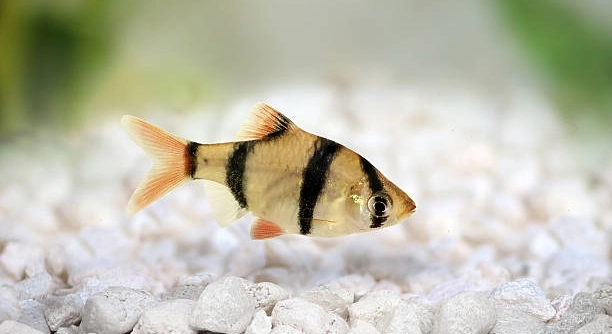
Tiger barbs are popular freshwater fish known for their vibrant colors and active behavior. Many aquarium enthusiasts enjoy watching their bright orange and black stripes brighten up a tank. However, color loss in tiger barbs can be a common and frustrating problem for fish owners.
Color loss in tiger barbs is primarily caused by poor water quality, inadequate diet, stress, and illness. Environmental factors like improper lighting and fluctuating temperatures also play a significant role in diminishing their natural coloration. Maintaining stable conditions is essential for preserving their vibrant appearance.
Understanding what leads to color fading will help you keep your tiger barbs healthy and colorful for longer. This article explains the main causes and offers practical advice to improve their well-being.
Poor Water Quality and Its Effects
Maintaining clean water is vital for tiger barbs. Dirty or polluted water can cause stress and weaken their immune system. Ammonia, nitrite, and nitrate levels should be regularly checked because high concentrations damage fish health and lead to fading colors. Frequent water changes help keep the environment stable. Filtration systems remove harmful substances and keep the tank balanced. Sudden changes in water temperature or pH can also upset tiger barbs, making them lose their bright hues. Keeping a consistent water temperature between 74°F and 79°F is important. Tank overcrowding can worsen water quality, so avoid too many fish in one space. Proper maintenance creates a comfortable space for your fish, encouraging them to show their natural colors.
Water quality impacts color directly by influencing the fish’s overall health and stress level. Cleaner water means healthier fish and brighter colors.
Regular testing and maintaining a balanced aquarium environment ensures tiger barbs stay colorful and vibrant for longer periods.
Nutrition and Diet
A balanced diet rich in nutrients supports tiger barbs’ coloration. Feeding high-quality flakes or pellets with carotenoids helps enhance their orange and red shades. Including live or frozen foods like brine shrimp or bloodworms adds protein and vitamins. Avoid overfeeding, which can pollute the tank and cause health issues. Supplementing with vegetable matter supports digestion and color retention. Variety in diet helps prevent nutrient deficiencies that dull their appearance. Proper feeding routines boost immune function, making tiger barbs less prone to diseases that cause color loss.
Consistent nutrition directly affects the brightness and vibrancy of tiger barbs’ colors.
Feeding your fish a varied, nutrient-rich diet promotes natural pigmentation and overall health.
Stress and Its Impact on Color
Stress can quickly dull tiger barbs’ colors. Causes include overcrowding, sudden changes in the tank, or aggressive tank mates. Stress lowers their immune response, making them vulnerable to illness and color fading.
Stress triggers hormonal changes that reduce pigmentation. When fish feel threatened, they divert energy from maintaining bright colors to survival functions. Constant stress causes prolonged dullness and poor health. Avoid sudden water changes or aggressive fish nearby. Providing hiding spots and enough space minimizes stress. Monitoring tank conditions helps maintain a peaceful environment, allowing tiger barbs to keep their vivid colors and stay active.
Illness and Disease
Illness often results in loss of color. Bacterial, fungal, or parasitic infections weaken the fish and dull their appearance. Early detection and treatment are crucial to prevent permanent damage.
Diseases like ich or fin rot stress fish, reducing their natural pigments. Sick fish often hide and show less movement. Treating infections quickly with proper medication restores health and coloration. Keeping the tank clean and stable helps prevent many diseases. Quarantining new fish before adding them to the tank reduces the risk of introducing illnesses. Regular observation and good hygiene protect your tiger barbs’ color and well-being.
Lighting Conditions
Lighting affects tiger barbs’ color intensity. Too little light can cause colors to fade, while too much light may stress the fish. Finding the right balance helps maintain their natural brightness.
Use aquarium lights designed for freshwater fish. Aim for about 8 to 10 hours of light daily. Consistent lighting supports healthy pigmentation without overwhelming your tiger barbs.
Tank Environment and Decoration
A natural tank environment with plants and hiding spots reduces stress and encourages vibrant colors. Decorations should mimic their natural habitat without overcrowding.
Adding live plants improves water quality and offers shelter. Smooth stones and driftwood also create comfort. Avoid sharp decorations that might injure fish and cause stress, which dulls colors.
Water Temperature
Stable water temperature is essential for tiger barbs. Fluctuations cause stress and weaken their immune system.
Keep the tank between 74°F and 79°F for optimal health and color retention. Use a reliable heater and thermometer to monitor temperature consistently.
FAQ
Why are my tiger barbs losing color suddenly?
Sudden color loss usually points to a change in their environment. This could be poor water quality, temperature shifts, or increased stress from new tank mates or overcrowding. It’s important to test water parameters and observe tank conditions closely. Making quick adjustments helps your fish recover their colors faster.
How often should I change the water to prevent color loss?
Changing 20-25% of the water weekly is ideal. Regular water changes remove toxins and keep the tank stable. Avoid complete water changes, as they can shock the fish and cause more stress, leading to color fading. Consistency is key to maintaining a healthy environment.
Can diet alone improve their color?
While diet plays a significant role, it’s only part of the solution. Feeding high-quality food rich in carotenoids helps maintain bright colors, but without good water quality and low stress, diet alone won’t prevent fading. Balanced care in all areas is necessary for vibrant colors.
Are certain tank mates better for tiger barbs’ coloration?
Yes, peaceful and similarly sized fish reduce stress and help maintain colors. Aggressive or overly large fish may bully tiger barbs, causing stress and color loss. Choose compatible species and avoid overcrowding for a harmonious tank.
Does lighting type affect color quality?
Proper aquarium lighting enhances color but shouldn’t be too intense. LED lights with a daylight spectrum are a good choice. Avoid direct sunlight or very bright lights that can stress fish. Consistent lighting schedules support natural pigmentation.
How long does it take for colors to return after correcting problems?
Recovery time varies but usually takes several weeks once conditions improve. Fish need time to heal and rebuild pigments. During this period, keep stress low and maintain clean water and good nutrition to speed up color restoration.
Can stress cause permanent color loss?
Chronic stress can lead to long-term health issues and possibly permanent dulling of colors. Preventing stress through stable tank conditions and proper care is essential to avoid permanent damage. Monitoring behavior helps detect stress early.
Is it normal for tiger barbs to change color with age?
Some natural fading happens as tiger barbs age, but drastic color loss is not normal. Aging fish may show less vibrant hues but should still retain some brightness. If colors fade quickly or unevenly, it often signals health or environmental problems.
Should I use supplements to enhance color?
Color-enhancing supplements can help but are not a substitute for good care. Use supplements recommended for freshwater fish and avoid overdosing. Always combine supplements with a healthy diet and clean tank to see the best results.
Can diseases other than visible infections cause color loss?
Yes, internal diseases or parasites might not show obvious symptoms at first but still cause fading colors. Regular observation and quarantine of new fish help prevent hidden illnesses. If color loss occurs with lethargy or appetite loss, consult a vet or fish specialist.
Color loss in tiger barbs can be frustrating to see, but it often signals that something in their environment needs attention. Keeping water clean and stable is the foundation of healthy, vibrant fish. Regular water testing and changes help prevent harmful buildup of toxins that stress your fish and cause their colors to fade. Maintaining the right temperature and avoiding sudden changes also plays an important role. A balanced, calm tank environment supports your tiger barbs’ natural beauty.
Nutrition is another key factor. Providing a varied diet rich in nutrients helps tiger barbs maintain their bright stripes and patterns. High-quality flakes or pellets with added carotenoids enhance their orange and red colors. Adding live or frozen foods like brine shrimp and bloodworms supplies extra protein and vitamins that keep your fish healthy. Avoid overfeeding because leftover food can pollute the water, making the tank less comfortable and causing more color loss. Good feeding habits combined with clean water give tiger barbs the best chance to stay colorful.
Stress and illness often cause color fading and should never be overlooked. Stress from overcrowding, aggressive tank mates, or poor tank setup weakens fish, reducing their ability to display bright colors. Illnesses, including infections or parasites, may dull their appearance and affect overall health. Watching your fish’s behavior closely helps catch problems early. Providing hiding spaces and avoiding sudden changes lowers stress, while prompt treatment of diseases protects their colors. Paying attention to these details will keep your tiger barbs healthy, active, and full of color for a long time.

Hello,
If you enjoy the content that we create, please consider saying a "Thank You!" by leaving a tip.
Every little bit helps us continue crafting quality advice that supports the health, happiness, and well-being of pets around the world, for pets of all shapes, sizes, and species.
We really appreciate the kindness and support that you show us!