
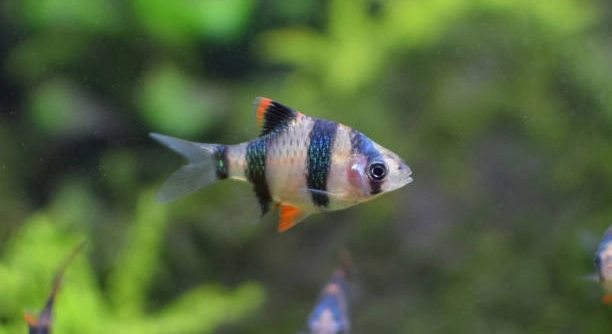
Are your tiger barbs constantly chasing each other or nipping at fins, turning your peaceful tank into a chaotic display of aggression?
The best way to reduce tiger barb aggression is by managing group size, tank conditions, and environmental enrichment. Providing a proper school of at least six, adding hiding spots, and avoiding slow tankmates can significantly minimize hostile behaviors.
These simple tricks can help create a more peaceful and stable environment for your tiger barbs and their tankmates.
Keep Them in Proper Groups
Tiger barbs are schooling fish and feel most secure in groups of at least six. When kept in smaller numbers, they often become more aggressive, especially toward each other or slower tankmates. A proper group helps spread out aggression and forms a natural social structure. In this setup, dominant behaviors are more balanced, and individual fish are less likely to become targets. If you’re seeing constant chasing or fin-nipping, your group size might be too small. By increasing their numbers, you’re encouraging natural behavior and reducing stress. A larger school helps them interact in a healthier way, leading to a more peaceful tank environment for all your fish.
Avoid keeping just two or three tiger barbs together. This only encourages bullying and territorial behavior, which can stress out other tank inhabitants.
A larger group of tiger barbs allows their natural pecking order to form without isolating weaker fish. It’s one of the easiest ways to reduce stress and improve overall behavior. When they feel safer, they’re less likely to act out. It also gives them more opportunities to swim freely without focusing all their energy on chasing one or two tankmates. If your tank allows it, aim for at least eight. You’ll notice a big difference in how calm the tank feels.
Create Hiding Spots and Distractions
Tiger barbs need something to focus their energy on other than chasing each other. Giving them things to explore can help.
Use plants, driftwood, or small rock caves to break up the space in your tank. These structures give shy or stressed fish a chance to hide and cool down when needed. They also provide opportunities for exploration, which can distract aggressive barbs and keep them entertained. Spread decorations throughout the tank so each fish has space to move around without getting trapped. It’s also helpful to rearrange decorations now and then. Changing the layout resets territory boundaries and reduces tension. Consider using fast-flowing water in one area of the tank; tiger barbs enjoy swimming against it, which helps release their energy. Giving them a stimulating setup is just as important as feeding them well. When your fish are engaged with their surroundings, they’re much less likely to display unwanted behavior.
Avoid Mixing with Slow or Long-Finned Fish
Tiger barbs are fast swimmers and tend to nip at slower fish, especially those with long fins. Keeping them with the wrong species creates stress and injuries, often making aggression worse within the group.
Choose tankmates that match their energy level. Avoid angelfish, bettas, or guppies, as they’re too slow and easily harassed. Instead, look for similarly active species like danios or other barbs. These fish can keep up with tiger barbs and won’t trigger fin-nipping behavior. Matching energy levels helps balance interactions and reduces conflict. It’s also important to monitor tank dynamics regularly and be ready to make changes if certain pairings don’t work out. Even within the same species, individual temperaments vary. Sometimes it takes a little adjusting to find the right mix, but avoiding passive tankmates is the first step. This small change can prevent stress-related illnesses and keep everyone in the tank healthier.
Watch how your tiger barbs behave when new fish are introduced. If aggression increases, it might be a sign that the new additions don’t fit well. Long fins or slow movements are easy targets, and this can create long-term stress. Keeping a balanced, active community makes all the difference in managing aggression.
Feed a Balanced Diet Regularly
Uneven feeding or poor nutrition can lead to more aggressive behavior. When food is limited or inconsistent, tiger barbs become territorial. Feeding the right amount at the right time helps reduce stress and prevents unnecessary competition in the tank.
Use a mix of flakes, pellets, and frozen foods to meet their nutritional needs. Protein is essential, but overfeeding high-protein foods can overstimulate them. Feed small amounts two to three times a day, only what they can finish in a few minutes. Overfeeding leads to messier water, which stresses fish and increases aggression. You can also try scattering food across different parts of the tank to prevent competition in one area. Avoid feeding only once a day or skipping meals. A stable feeding schedule helps them feel secure, and satisfied fish are less likely to chase or nip. Keeping them well-fed is one of the easiest ways to support good behavior.
Maintain Stable Water Conditions
Poor water quality can raise stress levels and make tiger barbs more aggressive. Keep ammonia and nitrite at zero, and nitrates low. Stable temperature, regular water changes, and good filtration are essential for reducing tension in the tank.
Sudden shifts in pH, temperature, or hardness can irritate your fish. Test weekly to catch problems early. A clean, stable tank helps tiger barbs stay calm and behave better overall.
Use a Large Enough Tank
Crowded conditions can increase aggression. Tiger barbs are active swimmers and need space to move around freely. A tank that’s too small makes them feel cornered, which leads to more chasing and biting. Aim for a minimum of 20 gallons for a small group, but larger is always better. More space means more swimming room, more hiding places, and fewer territory disputes. If possible, choose a long tank over a tall one. This gives them horizontal space to spread out and reduces constant contact with each other. A cramped setup adds stress, which makes aggression worse and affects the overall health of the tank.
Rearrange the Tank Often
Changing the tank layout resets territorial behavior. Moving plants, rocks, or decorations confuses established patterns, which lowers tension. It also gives less dominant fish a chance to settle into new areas without being chased.
FAQ
How many tiger barbs should I keep together to reduce aggression?
Keeping tiger barbs in groups of six or more helps reduce aggression. Smaller groups tend to increase bullying and chasing because the fish focus their energy on fewer targets. A larger school spreads out dominance behaviors, making the tank more peaceful overall. If possible, aim for eight or more. This also mimics their natural social structure and helps balance their interactions.
What tankmates are best for tiger barbs to avoid conflict?
Choose fast and active tankmates that can keep up with tiger barbs. Danios, rasboras, and other barbs are good companions because they swim quickly and won’t be easy targets for nipping. Avoid slow or long-finned fish like angelfish, bettas, and guppies, as tiger barbs often nip at their fins, causing stress and injury. Matching energy levels in the tank reduces bullying and keeps everyone calmer.
Can feeding habits affect tiger barb aggression?
Yes, feeding plays a big role in behavior. Inconsistent feeding or low-quality food can make tiger barbs more territorial and aggressive. Feed a balanced diet with flakes, pellets, and occasional frozen foods two to three times daily. Scatter the food around the tank to prevent competition in one spot. Overfeeding should be avoided since it pollutes the water, which causes stress and increases aggression. Keeping a steady feeding routine helps keep aggression low.
How important is tank size for managing aggression?
Tank size is very important. Tiger barbs are active swimmers and need plenty of space to avoid constant contact. A cramped tank increases stress and triggers aggressive behavior. A minimum of 20 gallons is recommended for a small group, but larger tanks work better. Horizontal swimming space is especially important since tiger barbs prefer moving around the middle and upper tank areas. More space means less fighting over territory.
Why do tiger barbs nip fins?
Fin nipping is a natural behavior related to establishing dominance and territory. It can increase if the tank is too small, the group is too small, or if tankmates are slow or have long fins. Nipping can also rise when fish are stressed by poor water quality or lack of hiding spots. Providing a proper school, suitable tankmates, and good tank conditions reduces this behavior.
Does water quality impact aggression?
Absolutely. Poor water quality stresses fish, making them more aggressive. Ammonia and nitrite should always be at zero, and nitrates kept low through regular water changes. Stable temperature and pH also help reduce stress. Testing water weekly and maintaining good filtration keep your fish healthier and calmer.
How can tank decoration help reduce aggression?
Decorations like plants, rocks, and caves break up the tank space and provide hiding spots. This allows fish to escape aggressive peers and reduces territorial disputes. Rearranging the tank layout every few weeks resets territory boundaries, lowering tension. A stimulating environment keeps tiger barbs busy and less focused on fighting.
Is it okay to keep just two tiger barbs?
Keeping only two tiger barbs is not recommended. With fewer fish, aggression concentrates on the smaller group, causing constant bullying. A larger group diffuses aggression and creates a natural social balance. If space or budget limits the number, consider another species instead.
What are signs that aggression is a serious problem?
Signs include constant chasing, torn fins, hiding fish, or injuries that don’t heal. If some fish seem stressed, pale, or stop eating, aggression might be too high. It’s important to act quickly by adjusting group size, tankmates, or tank setup. Persistent aggression affects fish health and can lead to death if not managed.
Can adding plants calm tiger barbs?
Yes, live or artificial plants provide hiding spaces and reduce open swimming areas where aggression happens. Plants also help improve water quality and create a more natural environment. This can lower stress and aggressive behavior by giving fish places to retreat and feel safe.
How often should I rearrange the tank to reduce aggression?
Rearranging decorations every few weeks helps disrupt established territories and reduces fights. Moving plants, rocks, or caves changes the layout enough to reset boundaries but doesn’t need to be done too often. Overdoing it can cause stress, so find a balance that works for your fish.
Does temperature affect aggression in tiger barbs?
Temperature stability is important. Sudden changes in temperature stress fish and can trigger aggressive behavior. Keep the tank temperature steady between 74 and 78°F (23-26°C) for tiger barbs. Use a reliable heater and thermometer to monitor and avoid fluctuations.
What should I do if aggression continues despite these tricks?
If aggression persists, consider separating the most aggressive fish temporarily or permanently. Sometimes individual temperament causes ongoing issues. Adding more hiding spots or increasing the tank size may help. In severe cases, rehoming problematic fish might be necessary for the health of the group.
Can stress cause aggression in tiger barbs?
Stress is a major factor in aggression. Poor water quality, overcrowding, improper tankmates, or lack of hiding spaces all increase stress. Stressed fish act out more, chasing and biting others. Keeping a clean tank with enough space and compatible tankmates reduces stress and aggressive behaviors.
Is it normal for tiger barbs to show some aggression?
A small amount of chasing and dominance behavior is normal for tiger barbs. It’s part of their social interaction. The goal is to reduce excessive aggression that causes injury or stress. Proper care, tank setup, and group size help keep this natural behavior balanced and safe for all fish.
Managing tiger barb aggression is an important part of keeping a healthy and peaceful aquarium. These fish are naturally active and social, but without the right environment, their behavior can become a problem. By paying attention to group size, tankmates, feeding habits, and tank conditions, you can greatly reduce aggression and create a more balanced tank. It takes a bit of planning and effort, but the results are worth it for the well-being of your fish.
Creating a proper home for tiger barbs means offering enough space and hiding spots. A larger group of at least six fish helps spread out dominance behaviors and reduces bullying. Choosing active tankmates with similar energy levels keeps everyone moving and prevents slow or long-finned fish from becoming targets. Regular feeding with a balanced diet prevents competition and stress, which are often causes of aggression. Keeping the water clean and stable further supports calm behavior and fish health.
Small changes can make a big difference in managing aggression. Rearranging decorations now and then resets territory boundaries, giving shy fish a chance to settle. Adding plants and caves offers safe places to hide and reduces tension. Watching how your fish interact and adjusting as needed will help maintain peace. With the right care, tiger barbs can thrive in a lively but calm aquarium that is enjoyable to watch and easy to maintain.

Hello,
If you enjoy the content that we create, please consider saying a "Thank You!" by leaving a tip.
Every little bit helps us continue crafting quality advice that supports the health, happiness, and well-being of pets around the world, for pets of all shapes, sizes, and species.
We really appreciate the kindness and support that you show us!