
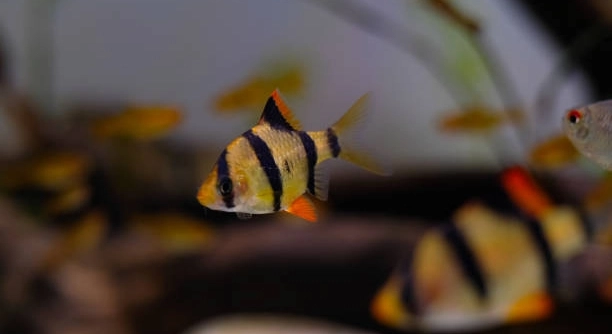
Are your tiger barbs acting a little off lately, even though everything in their tank seems normal? Subtle behavioral changes can sometimes be easy to miss or misread, especially with fast and active fish like these.
Stress in tiger barbs often appears through changes in swimming patterns, color fading, fin clamping, or loss of appetite. These signs are subtle but signal underlying problems related to environment, water quality, or social dynamics within the tank.
Recognizing the early signs of stress will help you create a healthier, more stable environment for your fish to thrive in.
Color Fading and Loss of Vibrancy
One of the first signs of stress in tiger barbs is a noticeable loss of color. These fish are known for their bold, vibrant stripes and rich orange tones. When stressed, their colors may appear dull or washed out, especially around the fins or body edges. This change often happens gradually, making it harder to spot unless you’re paying close attention. Poor water quality, changes in temperature, or bullying from other fish can all lead to this symptom. You might also notice color fading after a water change or if your tiger barbs are adjusting to a new tank setup.
A dull appearance doesn’t always mean illness, but it’s a good indication that something may be off in the tank.
If your fish’s color fades and doesn’t return after a few days, it’s time to check water conditions. Even small chemical imbalances or temperature shifts can stress your tiger barbs more than you realize.
Aggressive or Erratic Swimming
Tiger barbs are naturally active swimmers, but stressed behavior looks different from their usual playfulness. Watch for sudden darting, frantic pacing, or swimming in tight circles, which can indicate discomfort or anxiety.
Erratic swimming often shows up when the environment changes. A tank that’s too small or overcrowded can trigger territorial stress. If your fish are constantly chasing each other or crashing into decorations, it may mean they’re overwhelmed. High ammonia levels or a lack of hiding spaces can also make them restless. Aggression within the group may intensify under stress, especially if the group is too small. Tiger barbs need to be kept in shoals of at least six to maintain balance. Anything fewer can lead to dominance struggles and heightened anxiety. Observe their movement carefully—if their swimming seems unnatural or forced, it’s worth checking your tank’s setup, water conditions, and group size. Small adjustments can make a noticeable difference in behavior.
Loss of Appetite
A stressed tiger barb may begin to ignore food, even during regular feeding times. If you notice flakes or pellets left untouched, it’s a clear signal that something isn’t right with their environment or health.
Loss of appetite can stem from several stress-related issues, including sudden changes in water parameters, a recent tank cleaning, or tension from aggressive tank mates. Sometimes, the stress comes from internal parasites or illness, but more often, it’s linked to external conditions. Try offering food at quieter times and check that other fish aren’t outcompeting them. Look for signs like hiding during feeding or only nibbling before swimming away. A slight drop in appetite can be temporary, but prolonged refusal to eat signals a more serious concern. Regularly monitoring eating habits helps you catch problems early and take action before stress leads to illness or a drop in energy.
Over time, not eating can weaken your fish and affect its immune system. This leaves it more vulnerable to infections and other health issues. It’s important to address the root cause quickly—whether that’s tank overcrowding, poor water quality, or compatibility problems with other fish. Making small improvements to the environment often encourages your tiger barb to begin eating again and return to normal behavior.
Hiding More Than Usual
Tiger barbs are naturally social and energetic, so excessive hiding is not normal. If one or more fish are staying behind plants or decorations for most of the day, stress is likely the reason.
This kind of behavior can start after a tank mate is introduced, a rearrangement of the tank, or changes in lighting. Loud noises, vibrations, or people constantly near the tank can also create stress. Tiger barbs need safe spots to retreat to occasionally, but frequent hiding shows discomfort. Fish that are bullied or kept in too small of a group often feel unsafe and isolate themselves. Pay attention to where and when the hiding happens. If it coincides with feeding, lighting, or activity in the room, try to reduce those triggers. A calm environment and a larger, stable shoal size will help restore confidence and reduce this stress-driven behavior.
Clamped Fins
When a tiger barb holds its fins close to its body, it’s showing signs of stress. Healthy fish keep their fins open and active. Clamped fins can appear stiff or droopy and usually signal discomfort, poor water quality, or illness.
This symptom can also be caused by changes in temperature or pH. If the fins remain clamped for more than a day, it’s time to test the water and observe for other issues. Early intervention can prevent further stress and improve your fish’s comfort quickly.
Gasping at the Surface
Gasping at the top usually means low oxygen levels or poor water quality. Tiger barbs need steady oxygen flow, and surface gasping is a strong sign they’re struggling to breathe. Check your filter and ensure good water movement. Add an air stone if needed to help with aeration.
Lethargy
A stressed tiger barb may start moving slower or resting more than usual. While they’re naturally active, stress can drain their energy. Lethargy is often linked to bad water conditions, overcrowding, or illness and should be addressed quickly.
FAQ
How can I quickly tell if my tiger barbs are stressed?
Look for subtle signs like faded colors, clamped fins, erratic swimming, or loss of appetite. These behaviors often appear before serious health issues develop. If your fish suddenly starts hiding or gasping at the surface, stress is likely affecting their well-being.
What causes stress in tiger barbs the most?
Common causes include poor water quality, overcrowding, aggressive tank mates, sudden changes in temperature or pH, and lack of hiding spaces. Even minor disturbances in their environment can trigger stress, so consistent maintenance and careful monitoring are essential.
How often should I test my aquarium water to prevent stress?
Test water parameters at least once a week, focusing on ammonia, nitrites, nitrates, pH, and temperature. Regular testing helps catch issues early and keeps the environment stable, reducing stress on your fish.
Is it normal for tiger barbs to show aggression?
Yes, tiger barbs are naturally semi-aggressive, but excessive aggression can stress them out. Keeping them in groups of six or more helps reduce bullying by spreading aggression evenly and promoting natural schooling behavior.
What should I do if my tiger barbs stop eating?
First, check water quality and tank conditions. Remove any aggressive fish that might be intimidating them. Offer a variety of foods at different times to encourage eating. If loss of appetite continues, consider consulting a vet for possible illness.
Can changing the tank setup cause stress?
Yes, rearranging decorations or changing water conditions suddenly can stress your tiger barbs. Try to keep changes gradual and provide plenty of hiding spots to help them feel secure during adjustments.
How do I create a stress-free environment for my tiger barbs?
Maintain stable water parameters, avoid overcrowding, and keep a balanced group size. Provide plants, caves, or decorations for hiding and reduce sudden loud noises or vibrations near the tank.
Are there signs that stress has caused illness in tiger barbs?
Yes, prolonged stress weakens their immune system, making them vulnerable to diseases. Look for white spots, fuzzy patches, or unusual swelling. If you spot these signs, act quickly to improve conditions and treat illnesses.
Can diet affect stress levels in tiger barbs?
Yes, a balanced diet supports health and stress resistance. Feeding high-quality flakes, pellets, and occasional live or frozen foods helps maintain their strength and vitality.
What role does tank size play in stress?
Small or overcrowded tanks increase stress by limiting space and causing aggression. A minimum of 20 gallons is recommended for a small group of tiger barbs to allow swimming space and reduce conflict.
Final thoughts on caring for tiger barbs emphasize the importance of paying close attention to subtle signs of stress. These fish are active and colorful, but changes in their behavior or appearance can easily go unnoticed. When you spot signs like faded colors, clamped fins, or hiding more than usual, it means your tiger barbs might be struggling. Catching these early symptoms can prevent bigger health problems and help maintain a peaceful tank environment. Stress in fish is often linked to their surroundings, so making sure the water quality is good, the temperature is stable, and the group size is right are key steps to keep your fish comfortable.
Creating a calm and balanced habitat for tiger barbs takes regular care and observation. It’s important to test your tank water frequently and keep ammonia and nitrite levels at zero. Nitrates should also be kept low to avoid stress. Providing enough space and hiding spots helps reduce aggression and gives your fish places to rest when they feel threatened. Group size plays a big role too. Tiger barbs do better in groups of six or more, which helps spread out aggression and promotes natural schooling behavior. When their social needs and environment are met, tiger barbs show brighter colors and livelier activity.
Finally, diet and tank stability contribute greatly to your fish’s well-being. Feeding a varied, nutritious diet helps tiger barbs stay healthy and resist stress better. Avoid sudden changes in water or tank setup to keep them from feeling unsettled. Being consistent with your tank maintenance and attentive to your fish’s behavior allows you to respond quickly if something goes wrong. With care and patience, you can enjoy watching your tiger barbs thrive and stay vibrant for a long time. Taking these simple but important steps makes a real difference in their health and happiness.

Hello,
If you enjoy the content that we create, please consider saying a "Thank You!" by leaving a tip.
Every little bit helps us continue crafting quality advice that supports the health, happiness, and well-being of pets around the world, for pets of all shapes, sizes, and species.
We really appreciate the kindness and support that you show us!