
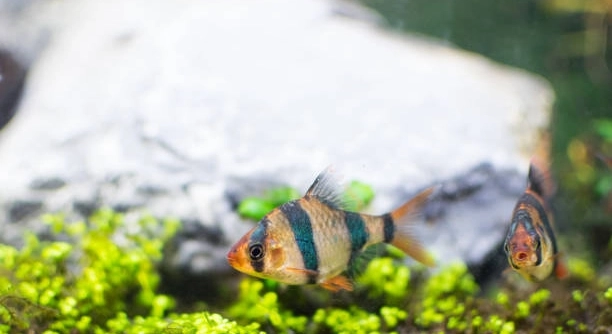
Tiger Barbs are a popular choice for many aquarium enthusiasts due to their vibrant colors and active nature. They have a unique behavior that often surprises new fish keepers. Learning about these fish can enhance your aquarium experience.
Tiger Barbs have distinct traits that are not widely known, such as their social needs, temperament, and specific care requirements. Understanding these factors helps maintain a healthy environment for them and prevents common mistakes.
Exploring these lesser-known facts about Tiger Barbs will give you better insight into their care and behavior, making your aquarium more enjoyable and balanced.
Tiger Barbs Are Very Social Fish
Tiger Barbs thrive in groups and need to be kept with at least six or more of their kind. When kept alone or in small numbers, they can become stressed or overly aggressive. Their social structure helps spread out any chasing or nipping behavior, which is natural for them. Without enough companions, they may start targeting other tank mates or injure themselves by constantly darting around. Watching a group of Tiger Barbs swim together shows their lively and coordinated movements, which is part of their charm. It’s important to provide enough space and hiding spots so they feel secure and have room to interact. Overcrowding, however, can cause poor water quality and increase stress, so balance is key. Keeping them in a proper group helps them live longer and display their true colors and behaviors.
They are schooling fish, so their well-being depends on being part of a group.
Making sure your Tiger Barbs have enough companions reduces aggression and keeps them active. Proper social care creates a peaceful aquarium environment for everyone involved.
Tiger Barbs Can Be Nippy But Not Always
Tiger Barbs are often labeled as nippy fish because they sometimes nip fins of slower or long-finned tank mates. This behavior is most common when they are kept in small groups or when the tank is too crowded. However, if they live in a large enough group, nipping usually decreases because they focus on interacting with their own kind. Providing plenty of plants and decorations also helps distract them and reduces stress. If aggression continues, it may be best to choose faster or more robust tank mates that can handle the occasional chase. Some hobbyists find that Tiger Barbs get along better with certain species like danios or barbs rather than delicate fish such as bettas or guppies. Observing your fish regularly will help you spot early signs of stress or aggression before it gets worse. Managing their environment carefully plays a big role in keeping peace.
When kept in suitable numbers, nipping is generally less of a problem.
Creating the right tank conditions and choosing compatible fish helps Tiger Barbs behave well and coexist peacefully with others.
Tiger Barbs Need Stable Water Conditions
Tiger Barbs are sensitive to sudden changes in water quality or temperature. Maintaining stable conditions is important for their health and stress levels. Sudden shifts can weaken their immune system and make them prone to diseases.
Consistent water parameters mean keeping temperature between 74°F and 79°F, pH around 6.5 to 7.0, and regular partial water changes. Using a reliable filter and testing water often helps prevent harmful spikes in ammonia, nitrites, or nitrates. Stress from poor water quality can cause color fading or unusual behavior. Paying attention to these details keeps your Tiger Barbs active and vibrant.
Besides water quality, avoid overcrowding and provide enough oxygen through aeration or plants. Tiger Barbs are energetic swimmers and need good water circulation. Taking these steps can make a noticeable difference in their well-being.
Tiger Barbs Are Omnivores
Tiger Barbs eat both plant and animal matter, so a balanced diet is essential. Offering a variety of foods supports their health and vibrant colors.
A mix of high-quality flakes or pellets, along with occasional live or frozen foods like bloodworms or brine shrimp, meets their nutritional needs. Including some vegetable matter, like spirulina flakes or blanched spinach, adds fiber and vitamins. Overfeeding can lead to water pollution and health problems, so feeding small amounts two to three times a day is best. Feeding variety also helps prevent boredom and encourages natural foraging behavior.
Providing a balanced diet and avoiding excessive feeding helps your Tiger Barbs stay healthy and colorful for a long time. Monitoring their eating habits gives insight into their overall condition and happiness.
Tiger Barbs Are Active Swimmers
Tiger Barbs need plenty of space to swim freely. A cramped tank can cause stress and aggression.
Providing a tank of at least 20 gallons with open swimming areas and plants helps keep them happy and healthy.
Tiger Barbs Show Color Changes
Their colors can fade when stressed or sick. Bright, vibrant stripes usually indicate good health.
Monitoring color changes regularly helps spot problems early and ensures proper care for your fish.
Tiger Barbs Prefer a Well-Planted Tank
Plants offer hiding spots and reduce aggression by breaking lines of sight. They also help maintain water quality.
Including live or artificial plants creates a natural environment where Tiger Barbs feel secure and less stressed.
Tiger Barbs Can Jump
They may jump out of the tank if startled or overcrowded. A secure lid is essential.
This simple precaution prevents accidental escapes and keeps your fish safe.
What size tank do Tiger Barbs need?
Tiger Barbs are active swimmers that require space to move freely. A tank of at least 20 gallons is recommended for a small group of six or more. Larger tanks help reduce aggression and allow for proper social behavior. Providing plenty of swimming space along with plants and decorations creates a balanced environment.
How many Tiger Barbs should be kept together?
Keeping Tiger Barbs in groups of six or more helps spread out their natural nipping behavior and reduces stress. Small groups often lead to increased aggression towards other fish or among themselves. When in a proper school, they tend to focus their energy on social interactions within their group, resulting in a healthier and more peaceful tank.
Are Tiger Barbs aggressive to other fish?
Tiger Barbs can be nippy, especially toward slow-moving or long-finned tank mates. This behavior is mostly due to their active nature and social hierarchy within the group. Aggression is usually reduced when they are kept in larger schools and the tank is not overcrowded. Choosing fast, robust tank mates can help avoid problems.
What do Tiger Barbs eat?
Tiger Barbs are omnivores and require a varied diet to stay healthy. High-quality flakes or pellets form the base of their diet. Supplementing with live or frozen foods like bloodworms or brine shrimp provides essential protein. Including some vegetable matter such as spirulina flakes or blanched vegetables adds important nutrients. Feeding two to three small meals daily is best to avoid overfeeding.
How often should I change the water for Tiger Barbs?
Regular water changes are essential for keeping Tiger Barbs healthy. Changing 20-25% of the water weekly helps maintain water quality and reduce harmful toxins. Frequent water testing is recommended to monitor ammonia, nitrites, nitrates, and pH levels. Stable water conditions reduce stress and prevent disease.
Can Tiger Barbs live with other fish?
Tiger Barbs can coexist with other fish if tank mates are carefully chosen. Fast, similarly sized, and robust species like danios or other barbs work well. Avoid slow-moving or long-finned fish like bettas and guppies, as Tiger Barbs may nip their fins. Providing plenty of space and hiding spots helps reduce tension among fish.
Why do Tiger Barbs change color?
Color changes in Tiger Barbs often indicate stress, illness, or poor water conditions. Vibrant colors suggest good health and a stress-free environment. Fading or dull colors can be an early sign that something is wrong, such as water quality issues or nutritional deficiencies. Monitoring their appearance regularly helps catch problems early.
Do Tiger Barbs need a heater?
Yes, Tiger Barbs thrive best in stable temperatures between 74°F and 79°F. Using a reliable heater ensures consistent warmth, which supports their metabolism and immune system. Sudden temperature drops or fluctuations can cause stress and illness. A thermometer helps keep track of the tank’s temperature.
How can I prevent Tiger Barbs from jumping out of the tank?
Tiger Barbs are known to jump when startled or overcrowded. A tight-fitting lid or cover on the aquarium is necessary to prevent escapes. Keeping the tank environment calm and avoiding sudden disturbances reduces jumping behavior. Ensuring adequate space and hiding spots also helps your fish feel secure.
How long do Tiger Barbs live?
With proper care, Tiger Barbs can live between 5 and 7 years. Maintaining stable water conditions, providing a balanced diet, and keeping them in suitable social groups all contribute to their longevity. Regular observation and prompt attention to any health issues improve their chances of a long, healthy life.
Tiger Barbs are fascinating fish that bring energy and color to an aquarium. Their lively nature and striking stripes make them a popular choice for many fish keepers. However, they have specific needs that must be met to keep them healthy and happy. Understanding their social behavior is key. Tiger Barbs do best when kept in groups of six or more. This helps reduce their natural nipping behavior and allows them to interact normally. Providing enough space in the tank is also very important because these fish are active swimmers. A well-planted tank with plenty of open swimming areas helps create a balanced environment for them to thrive.
Water quality plays a major role in the health of Tiger Barbs. They are sensitive to sudden changes in water parameters like temperature and pH. Keeping their water stable and clean helps reduce stress and prevent illness. Regular water testing and partial water changes are necessary to maintain good water conditions. Feeding them a balanced diet that includes both plant and animal matter supports their overall well-being. It is important to avoid overfeeding, as leftover food can harm water quality and lead to health problems. Feeding small portions two or three times a day is usually enough to keep them strong and colorful.
Finally, Tiger Barbs require some careful planning to keep them safe and comfortable. They are known to jump out of tanks when startled, so a secure lid is essential. Choosing the right tank mates and providing hiding spots can help minimize aggression and stress. Observing their behavior and appearance regularly will help spot any issues early. With proper care, Tiger Barbs can live for several years and be a lively, interesting addition to your aquarium. Their bright colors and active swimming can bring a lot of enjoyment while reminding us how important it is to meet the needs of every fish we keep.

Hello,
If you enjoy the content that we create, please consider saying a "Thank You!" by leaving a tip.
Every little bit helps us continue crafting quality advice that supports the health, happiness, and well-being of pets around the world, for pets of all shapes, sizes, and species.
We really appreciate the kindness and support that you show us!