
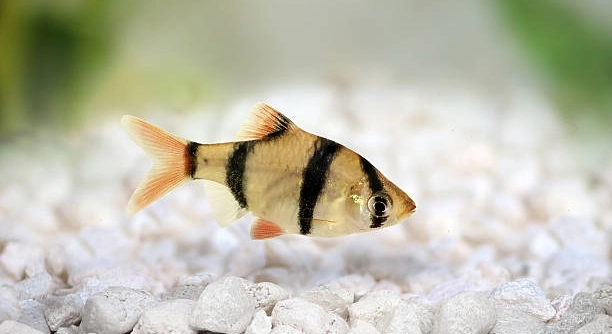
Tiger barbs are popular aquarium fish known for their bright colors and active behavior. Many fishkeepers want to keep their tiger barbs looking vibrant and healthy. Enhancing their natural color can improve the overall beauty of any tank.
Boosting tiger barb color naturally involves a combination of proper diet, clean water conditions, and a stress-free environment. Providing foods rich in carotenoids, maintaining stable water parameters, and ensuring adequate lighting all contribute to more intense coloration in these fish.
Improving your tiger barbs’ color takes consistent care but can be very rewarding. The following tips will help you create the best environment for their natural beauty to shine.
Provide a Balanced Diet Rich in Natural Color Enhancers
Feeding tiger barbs a balanced diet is key to keeping their colors vivid. Foods high in carotenoids, like spirulina, krill, and shrimp, help enhance red and orange hues naturally. Including a variety of high-quality flakes and pellets designed for tropical fish also supports their overall health. Avoid overfeeding, as excess food can pollute the tank and harm water quality, which in turn dulls fish colors. Supplementing their diet with live or frozen foods can encourage natural hunting behaviors and provide essential nutrients. By giving your tiger barbs what they need, you support their immune system and bright coloration.
A varied diet with color-boosting ingredients will give your tiger barbs the nutrients they need to stay vibrant and healthy.
Healthy, colorful tiger barbs are a direct result of proper feeding. Using quality food sources rich in natural pigments like carotenoids boosts their reds and oranges. Including occasional live or frozen treats keeps their diet interesting and nutritious. Remember, consistency matters: feeding small amounts multiple times a day helps maintain energy and coloration without fouling the tank. Avoid cheap or generic foods, as they lack essential nutrients and can cause dull colors. Also, rotating food types prevents nutrient gaps and encourages stronger, more vibrant fish. Watching your tiger barbs grow brighter over time shows the positive effects of a well-rounded diet and good feeding habits.
Maintain Clean and Stable Water Conditions
Water quality directly affects the color and health of tiger barbs. Poor water conditions stress fish, causing faded colors and reduced activity. Keeping ammonia, nitrite, and nitrate levels low is essential. Regular water changes and a good filtration system maintain a healthy environment. Stability in temperature and pH also supports consistent coloration. Sudden changes or extreme parameters can shock your fish and make colors less vibrant.
Consistent water maintenance helps tiger barbs display their natural bright colors while staying healthy and active.
Keeping your tank clean involves more than just water changes. Monitor water parameters weekly using test kits to catch any imbalances early. A filter suited for your tank size will remove debris and toxins effectively. Aim for 25-30% water changes every week to dilute waste and replenish minerals. Avoid overstocking your tank, as crowded conditions can lead to stress and color loss. Proper aeration ensures enough oxygen, which is critical for metabolism and vibrant colors. By maintaining stable, clean water conditions, your tiger barbs will be less stressed, allowing their natural colors to glow brightly. This steady care is a major factor in long-term fish health and appearance.
Provide Proper Lighting
Proper lighting plays an important role in enhancing tiger barb colors. Natural or full-spectrum aquarium lights highlight their reds and oranges better than standard bulbs. Too little or too much light can cause colors to fade or fish to become stressed.
Using a timer helps maintain a consistent light cycle, ideally 8 to 10 hours a day. Too long under bright light may encourage algae growth, which harms water quality and fish health. Position lights to avoid direct sunlight, which can overheat the tank and reduce color vibrancy. Balanced lighting promotes natural behavior and allows pigments to show fully, making tiger barbs look their best in the tank.
Changing the light spectrum can also bring out subtle shades. Some hobbyists prefer LED lights with adjustable color temperatures, which enhance color intensity without stressing fish. A well-lit tank not only improves appearance but supports plants and overall ecosystem health, creating a balanced environment for your tiger barbs to thrive.
Reduce Stress in the Aquarium
Stress negatively impacts the color of tiger barbs. Factors like overcrowding, aggressive tank mates, and sudden changes in water conditions cause stress, leading to dull colors and poor health. Keeping the environment calm helps maintain bright coloration.
Avoid mixing overly aggressive species with tiger barbs. Provide enough hiding spots and plants to reduce aggression and allow your fish to feel secure. Monitor tank population to prevent overcrowding, which can increase competition for food and space, raising stress levels. Establish a stable routine for feeding and maintenance to reduce sudden disturbances. Stress weakens the immune system, making fish more vulnerable to disease and color loss.
Regular observation lets you spot signs of stress early, like hiding, loss of appetite, or fading colors. Addressing stressors quickly helps tiger barbs regain their natural beauty and vitality, ensuring a peaceful aquarium atmosphere.
Use Plants to Enhance Color
Live plants create a natural environment that reduces stress for tiger barbs. They also provide shelter and improve water quality, both of which help maintain bright colors.
Plants like Java fern and Anubias are easy to care for and work well in tiger barb tanks. They add contrast that makes fish colors stand out more vividly.
Avoid Overcrowding
Too many fish in a tank cause stress and competition, which dull tiger barb colors. Each fish needs enough space to swim freely and avoid aggression.
Maintain a proper fish-to-gallon ratio to keep your tiger barbs healthy and colorful. Overcrowding also leads to poor water quality, affecting color intensity.
Regular Tank Maintenance
Perform regular tank cleaning and water changes to keep the environment healthy. Clean tanks reduce toxins that can stress fish and fade their colors.
Maintaining filters and checking water parameters often supports the natural color and health of your tiger barbs.
FAQ
How often should I feed my tiger barbs to improve their color?
Feeding your tiger barbs two to three small meals a day is best. This helps maintain energy and promotes vibrant colors without overloading the tank with uneaten food. Overfeeding can cause water quality issues that dull their color. Focus on providing a mix of high-quality flakes, pellets, and occasional live or frozen foods rich in carotenoids.
What are the best foods to naturally boost tiger barb color?
Foods rich in carotenoids, such as krill, shrimp, and spirulina, are excellent for enhancing the reds and oranges in tiger barbs. High-quality tropical fish flakes and pellets that include these ingredients support their natural pigmentation. Adding live or frozen foods occasionally not only improves color but also stimulates their natural feeding behavior.
Can poor water quality affect the color of tiger barbs?
Yes, poor water quality stresses fish, which causes their colors to fade. Ammonia, nitrite, and nitrate build-up in the tank can harm tiger barbs and reduce their natural brightness. Regular water changes, proper filtration, and monitoring water parameters are essential to keep the tank environment stable and colors vibrant.
How does lighting influence tiger barb coloration?
Proper lighting highlights the natural colors of tiger barbs. Full-spectrum or natural lighting brings out red and orange hues better than standard bulbs. Using a timer to maintain consistent lighting between 8 and 10 hours daily prevents stress and limits algae growth, helping fish maintain their bright colors.
Is stress a common reason for dull colors in tiger barbs?
Absolutely. Stress caused by overcrowding, aggressive tank mates, sudden changes in water conditions, or lack of hiding places results in faded colors. Reducing stress by maintaining stable water conditions, providing enough space, and adding plants or decorations for shelter helps tiger barbs stay healthy and colorful.
What tank size is ideal for tiger barbs to keep their colors vibrant?
A tank of at least 20 gallons is recommended for a small group of tiger barbs. This provides enough space for swimming and reduces stress. Overcrowding can lead to aggression and poor water quality, both of which negatively affect color intensity. A well-sized tank supports their natural behavior and color expression.
Are live plants necessary for enhancing tiger barb color?
While not strictly necessary, live plants create a natural, comfortable environment that reduces stress. They improve water quality by absorbing nitrates and provide hiding spots, both helping maintain bright coloration. Plants also create contrast that makes tiger barbs’ colors stand out more vividly.
How often should I change the water to keep colors bright?
Weekly water changes of 25-30% are ideal for maintaining water quality. Frequent water changes remove toxins and refresh minerals that fish need for good health and bright colors. Avoid large, infrequent changes that can shock fish and cause stress, which dulls their appearance.
Can temperature fluctuations affect tiger barb coloration?
Yes, sudden changes in temperature stress tiger barbs and can cause their colors to fade. Maintaining a stable temperature between 74°F and 79°F supports their metabolism and vibrant coloration. Use a reliable heater and thermometer to keep conditions steady.
Do tank decorations influence tiger barb colors?
Yes, tank decorations like rocks, caves, and plants provide hiding places and reduce stress. When fish feel secure, their colors become more vivid. Decorations also help break lines of sight to limit aggression, which can cause stress and dull colors.
Is it okay to mix tiger barbs with other fish?
Tiger barbs are semi-aggressive and can nip fins of slower fish. Choose tank mates carefully to avoid stress and color loss. Fast, similarly sized fish or other tiger barbs usually work well. Avoid small or slow species that may get bullied.
How long does it take to see color improvements?
Color changes depend on diet, environment, and care. With consistent feeding, clean water, and proper lighting, you may see improvements within a few weeks. Some changes take longer, especially after stress or illness. Patience and steady care yield the best results.
Can color-enhancing supplements harm tiger barbs?
Supplements made for aquarium fish can help, but use them carefully. Overuse or poor-quality products might cause water pollution or health problems. It’s better to focus on a good diet and tank conditions than rely solely on supplements for color enhancement.
What signs indicate my tiger barbs are stressed?
Signs include hiding, loss of appetite, faded colors, and unusual behavior like darting or lethargy. Stress can weaken immunity and cause disease. Regular observation and prompt action to improve tank conditions help keep your fish healthy and colorful.
Does water hardness affect tiger barb color?
Moderate water hardness supports tiger barb health and coloration. Extreme hardness or softness can stress fish and dull their colors. Aim for a general hardness (GH) of 5-12 dGH and carbonate hardness (KH) of 3-8 dKH for stable water chemistry.
Should I quarantine new fish to protect color and health?
Quarantining new fish before adding them to your main tank helps prevent disease and stress. Healthy fish keep your tank environment stable, which preserves vibrant colors. A quarantine period of at least two weeks is recommended for observing any health issues before introduction.
Taking care of tiger barbs so their colors stay bright and natural is mostly about consistent care. Feeding them the right foods, keeping the tank clean, and maintaining stable water conditions are all important. These simple steps create an environment where tiger barbs can thrive and show their best colors. While it may take some time to see noticeable changes, the effort is worth it because vibrant fish add more life and beauty to your aquarium.
Stress can be a big factor in dull colors, so it’s important to keep your tiger barbs comfortable. This means avoiding overcrowding, choosing peaceful tank mates, and providing plenty of hiding places. Proper lighting and live plants also help reduce stress and enhance colors naturally. When your fish feel safe and secure, their colors will be brighter and their behavior healthier. A calm and well-maintained tank makes a big difference in how your tiger barbs look.
Remember that patience is key when trying to boost color naturally. Changes won’t happen overnight, but steady care pays off over time. Monitoring water quality, sticking to a balanced diet, and watching for signs of stress or illness will help you keep your fish healthy and colorful. Your tiger barbs will reward you with their lively colors and active swimming. With regular attention and care, your aquarium will be a beautiful and vibrant home for them.

Hello,
If you enjoy the content that we create, please consider saying a "Thank You!" by leaving a tip.
Every little bit helps us continue crafting quality advice that supports the health, happiness, and well-being of pets around the world, for pets of all shapes, sizes, and species.
We really appreciate the kindness and support that you show us!