
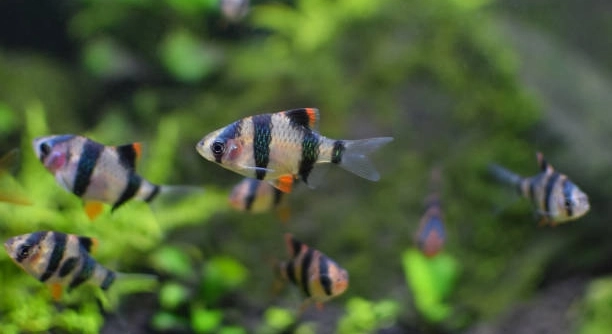
Tiger Barbs are popular freshwater fish known for their lively behavior and striking colors. Many fishkeepers enjoy adding them to community tanks. However, their interactions with new tankmates can sometimes be challenging and affect the overall harmony of the aquarium.
Tiger Barbs often avoid new tankmates due to their natural territorial instincts and social hierarchy. They may exhibit aggressive or cautious behaviors to establish dominance and protect their space, which can lead to stress and isolation for both themselves and the newcomers.
Understanding these social dynamics helps create a balanced tank environment and promotes healthier interactions among your aquatic pets.
Tiger Barbs’ Territorial Nature
Tiger Barbs have a strong sense of territory, which influences their behavior in a tank. When introduced to new tankmates, they often act cautiously or aggressively to protect their established space. This territorial instinct is natural and helps them feel secure. In smaller tanks, this behavior can be more pronounced because there is less room for everyone to spread out. Additionally, Tiger Barbs live in groups and form social hierarchies. New tankmates can disrupt this balance, causing tension and avoidance. They may nip at newcomers or swim away to avoid conflict. Over time, if the tank is large enough and properly arranged with hiding spots, Tiger Barbs can become more tolerant. Providing plenty of plants and decorations helps reduce direct encounters and stress, making it easier for new fish to coexist.
A spacious tank with good structure is important to help Tiger Barbs feel comfortable and reduce aggressive territorial behaviors.
Careful tank planning can encourage peaceful interactions and promote a healthier environment for all fish involved.
Stress and Social Dynamics
Stress plays a big role in why Tiger Barbs avoid new tankmates. When stressed, their immune systems weaken, making them more vulnerable to illness. Stress often comes from feeling threatened or overcrowded, especially if new fish do not match their energy levels or behavior patterns. Tiger Barbs prefer active tankmates but can become aggressive if they perceive any fish as weak or slow. Social dynamics within the group are also important. They communicate through body language and movement, and disruptions can lead to exclusion or bullying. If new fish are introduced carefully and gradually, stress levels can be lowered. Keeping fish in groups of at least six helps Tiger Barbs spread out aggression and form a stable social structure. This reduces stress and allows for better acceptance of new tankmates.
Creating a peaceful tank environment requires attention to social balance and careful introductions of new fish.
Observing interactions early on helps manage stress and adjust tank conditions to suit everyone’s needs.
Tank Setup and Environment
A well-planned tank setup can reduce conflicts between Tiger Barbs and new tankmates. Adequate space and plenty of hiding spots are essential to minimize stress and territorial disputes.
Adding plants, rocks, and decorations creates natural barriers. These allow fish to retreat and avoid direct confrontation. Open swimming areas also help Tiger Barbs feel less confined, reducing aggressive tendencies. Using soft lighting can calm the fish as well. Keeping water parameters stable prevents added stress, which might worsen their avoidance behavior. Regular maintenance ensures a clean environment, promoting healthier interactions among tankmates. Adjusting the tank to suit Tiger Barbs’ needs supports a more peaceful community.
The environment plays a crucial role in how Tiger Barbs behave toward newcomers. Creating a balanced habitat encourages tolerance and decreases avoidance.
Small changes in the tank’s layout can have a significant positive impact on fish behavior and stress levels.
Introducing New Tankmates
Introducing new fish slowly allows Tiger Barbs time to adjust without feeling overwhelmed. Starting with a quarantine period for the new fish helps prevent illness and allows observation of their behavior.
Placing new tankmates in a separate container inside the main tank can help Tiger Barbs get used to their presence gradually. Feeding both groups simultaneously encourages peaceful coexistence and reduces competition. Choosing tankmates with similar activity levels and temperaments lessens the chances of conflict. It is also important to monitor interactions closely during the first few days and separate any fish showing excessive aggression. Patience during this process improves the chances of successful integration and a calmer tank environment.
Taking time with introductions prevents stress and aggression. Careful selection and observation make it easier for Tiger Barbs to accept new companions.
Choosing Compatible Tankmates
Choosing the right tankmates is key to reducing avoidance in Tiger Barbs. Fish that are peaceful but active tend to get along better with them. Avoid slow-moving or overly timid species, as Tiger Barbs may see them as targets or ignore them.
Compatible tankmates help maintain balance and reduce stress. Fish with similar swimming habits and size fit best, creating a harmonious community without triggering aggression or avoidance.
Feeding and Nutrition
Proper feeding routines support peaceful behavior. Feeding several times a day with balanced food reduces competition and aggression. Uneaten food should be removed to keep water quality high, preventing stress and illness in the tank.
Monitoring Behavior Changes
Watch Tiger Barbs closely after introducing new tankmates. Changes in activity or hiding habits can signal discomfort. Early observation helps catch problems before they worsen, allowing timely adjustments.
Maintaining Water Quality
Stable water quality is essential to keep Tiger Barbs healthy and less stressed. Regular testing and cleaning support a calm tank environment, improving interactions between fish.
FAQ
Why do Tiger Barbs nip at new tankmates?
Tiger Barbs nip due to their natural schooling behavior and territorial instincts. Nipping helps them establish dominance and maintain social order within the group. New tankmates may be seen as outsiders or threats, which triggers this behavior. Providing plenty of space and hiding spots can reduce nipping by easing tension.
How many Tiger Barbs should I keep together?
Keeping Tiger Barbs in groups of six or more helps spread out aggression and reduces stress. Smaller groups may lead to increased bullying or excessive nipping. A larger school encourages natural schooling behavior, which makes them less likely to focus aggression on new fish.
What fish species are good tankmates for Tiger Barbs?
Ideal tankmates are active, robust fish that can handle the energetic nature of Tiger Barbs without being too aggressive themselves. Good examples include danios, rasboras, and certain types of barbs. Avoid slow or long-finned species that might become targets for nipping.
How can I reduce stress when introducing new fish?
Introduce new fish gradually using a separate container or breeding box inside the tank. This allows Tiger Barbs to get used to the newcomers without direct contact. Feeding both groups at the same time helps reduce competition. Monitor closely for signs of stress or aggression and separate fish if needed.
Why do Tiger Barbs avoid some fish but not others?
Avoidance usually happens when the tankmate’s behavior or size conflicts with the Tiger Barbs’ social structure. Slow or timid fish may be ignored or avoided because Tiger Barbs prefer active companions. If new fish display threatening or dominant behavior, Tiger Barbs may retreat to avoid confrontation.
Can tank size affect Tiger Barbs’ behavior toward new fish?
Yes, smaller tanks increase stress and territorial behavior, making Tiger Barbs more aggressive or avoidant. A larger tank provides space for everyone to establish their own territory and reduces direct encounters, helping new tankmates be accepted more easily.
What signs show Tiger Barbs are stressed by new tankmates?
Signs include hiding more often, loss of appetite, color fading, and erratic swimming. Increased aggression or excessive nipping can also indicate stress. Recognizing these early helps prevent long-term health problems.
Is it normal for Tiger Barbs to chase new fish initially?
Yes, initial chasing is common as Tiger Barbs test boundaries and establish dominance. This behavior usually decreases once the social hierarchy settles. Providing enough space and distractions like plants helps reduce chasing.
How important is water quality for Tiger Barbs’ social behavior?
Very important. Poor water quality stresses Tiger Barbs, making them more aggressive or withdrawn. Maintaining clean water with stable parameters supports healthier behavior and improves acceptance of new tankmates.
Can diet influence how Tiger Barbs interact with other fish?
Yes, a balanced diet helps reduce aggression caused by hunger or competition for food. Feeding smaller, frequent meals keeps them satisfied and less likely to act aggressively toward newcomers.
What should I do if Tiger Barbs keep bullying new tankmates?
If bullying persists, consider separating the fish or adding more Tiger Barbs to dilute aggression. Rearranging the tank layout or adding more hiding places can also help. Choosing more compatible tankmates or increasing tank size may be necessary.
How long does it usually take for Tiger Barbs to accept new tankmates?
Acceptance time varies but generally takes a few days to a couple of weeks. Patience during this period is important. Monitoring interactions and providing a suitable environment supports smoother integration.
Are there any tankmates Tiger Barbs will always avoid?
Tiger Barbs tend to avoid very slow or shy species that do not match their activity level. Fish with long, flowing fins may also be targeted for nipping and thus avoided. Selecting tankmates that fit their temperament reduces this problem.
Can Tiger Barbs live alone or should they always be in groups?
Tiger Barbs are schooling fish and do best in groups. Alone, they can become stressed, shy, or aggressive. Groups provide social interaction, which helps reduce stress and encourages natural behavior.
What role does tank decoration play in reducing avoidance?
Decorations offer places to hide and reduce direct line of sight, lowering stress and territorial disputes. A well-decorated tank with plants and rocks encourages exploration and peaceful coexistence between Tiger Barbs and new fish.
How do I know if a new tankmate is being accepted?
Accepted tankmates swim freely with the group, feed without harassment, and show normal behavior. Tiger Barbs will swim near them without chasing or nipping excessively. Occasional interaction is normal, but persistent aggression should be addressed.
Should I rearrange the tank when adding new fish?
Yes, rearranging the tank can help reset territories and reduce aggression. Changing decorations disrupts established boundaries, encouraging fish to establish new areas and lowering conflicts.
Are there any special care tips for Tiger Barbs when new fish are introduced?
Maintain stable water conditions, provide hiding spots, and feed regularly to reduce stress. Observe all fish closely and intervene if aggression or stress signs appear. Keeping a consistent routine helps Tiger Barbs adjust better.
Can overcrowding worsen Tiger Barbs’ avoidance behavior?
Overcrowding increases stress and competition, making Tiger Barbs more aggressive or avoidant. Ensuring adequate space per fish improves social interactions and reduces tension.
What is the best way to observe interactions without stressing the fish?
Watch quietly from a distance or through a camera if possible. Avoid sudden movements or tapping on the glass. Consistent, calm observation helps identify issues without adding stress to the tank inhabitants.
This FAQ addresses common concerns about Tiger Barbs’ behavior and helps improve tank harmony by providing practical solutions based on their natural instincts and needs.
Final Thoughts
Tiger Barbs have distinct behaviors that influence how they interact with new tankmates. Their territorial nature and social hierarchy mean they often react cautiously or aggressively when unfamiliar fish are introduced. This is a natural part of their instincts to protect their space and maintain group order. Understanding these behaviors is key to managing their environment and reducing stress for all fish in the tank. Providing enough room and hiding places helps Tiger Barbs feel secure and less threatened by newcomers, which can improve their overall behavior and acceptance of new tankmates.
Creating a balanced tank environment requires attention to several important factors. Proper tank size, decorations, and stable water conditions all contribute to reducing stress and aggression. Introducing new fish slowly and carefully also makes a big difference in how well Tiger Barbs accept them. Choosing tankmates with similar activity levels and temperaments helps prevent conflicts and avoidance. Regular observation of fish behavior allows early detection of any issues, so adjustments can be made quickly to keep the tank peaceful. Consistency in feeding and maintenance supports the health and well-being of Tiger Barbs and their companions.
Taking the time to understand and meet the needs of Tiger Barbs will lead to a more harmonious aquarium. While they may initially avoid or challenge new tankmates, patience and proper care can help them adjust over time. It’s important to remember that each tank and group of fish is unique, so what works for one may need tweaking in another. Paying close attention to their interactions and environment helps ensure the best outcome for all fish involved. With thoughtful planning and care, Tiger Barbs can live happily alongside a variety of other fish, creating a lively and balanced community tank.

Hello,
If you enjoy the content that we create, please consider saying a "Thank You!" by leaving a tip.
Every little bit helps us continue crafting quality advice that supports the health, happiness, and well-being of pets around the world, for pets of all shapes, sizes, and species.
We really appreciate the kindness and support that you show us!