
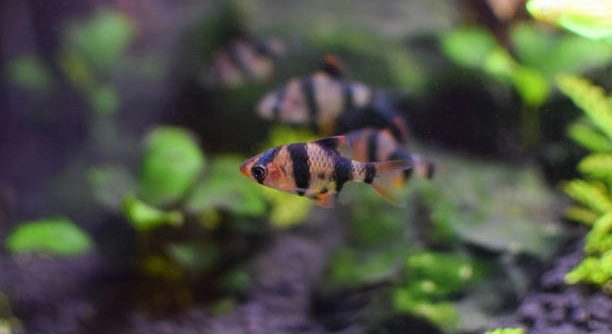
Observing natural barb behavior can reveal many interesting patterns about their daily lives. These fish display unique actions that reflect their environment and social interactions. Understanding these behaviors helps create a better habitat for them.
Natural barb behavior is characterized by their schooling tendencies, feeding routines, and territorial displays. These fish communicate through body movements and colors, which indicate social status or stress. Observing these signs allows for accurate assessment of their well-being and environment needs.
Knowing how barbs behave naturally helps improve care and enjoyment when watching them. The following tips will guide you in recognizing key behaviors clearly.
Understanding Barb Social Structure
Barbs are social fish that thrive in groups, usually forming schools to feel safe and interact. Their social structure is important because it influences their behavior and health. When kept in small groups or alone, barbs can become stressed or show aggression. In larger groups, they establish a clear hierarchy, which reduces conflicts and promotes natural activity. This hierarchy is visible through their body language, such as fin displays and swimming patterns. Keeping barbs in proper group sizes encourages natural behavior and reduces stress. Observing how they interact in their group can help spot any unusual behavior early. Their social nature makes them active and engaging to watch when their needs are met properly.
Maintaining a group of at least six barbs is recommended to support their social well-being and reduce aggressive behavior.
When barbs have the right social environment, they swim actively and display their natural colors more vividly. Watching their interactions can be rewarding and helps identify if any fish need attention or if the environment requires adjustments.
Recognizing Feeding Behavior
Barbs show clear signs when they are feeding or searching for food. They often swim actively near the substrate or mid-water, picking at plants or small particles. Feeding time is a chance to observe their natural foraging instincts. Barbs may compete for food but rarely cause harm when well-fed. Watching how they approach food helps determine if they are healthy and comfortable in their tank. Feeding behavior also reflects their energy levels and overall condition.
Paying close attention to feeding routines can reveal early signs of illness or stress.
Barbs’ feeding habits vary depending on their species, but generally, they prefer a varied diet of flakes, pellets, and live or frozen foods. Offering food in small amounts multiple times a day encourages natural feeding and reduces waste. Observing their eagerness and method of feeding ensures they receive enough nutrition. Healthy barbs display quick, coordinated movements when feeding and maintain bright coloration afterward. Monitoring these behaviors regularly supports their health and helps maintain a balanced aquarium ecosystem.
Identifying Signs of Stress
Barbs show stress through changes in behavior or appearance. Common signs include hiding, loss of color, and erratic swimming. Stress affects their health and should be addressed quickly.
Stress in barbs often results from poor water quality, overcrowding, or incompatible tank mates. When stressed, they may lose appetite and become more susceptible to diseases. Regular monitoring of water parameters and tank conditions helps prevent stress. Providing enough space and a peaceful environment supports their well-being. Sometimes, changes in behavior are subtle, so careful observation is important to catch early signs.
If a stressed barb is identified, improving tank conditions and minimizing disturbances usually helps restore their natural behavior. Adding hiding spots and maintaining stable water conditions can significantly reduce stress.
Monitoring Territorial Behavior
Barbs establish territories especially during breeding or when space is limited. This can lead to chasing and occasional fin nipping. Understanding these behaviors helps manage tank dynamics.
Territorial disputes are more common in smaller tanks or with aggressive species. Barbs mark their space using body posture and chasing rivals. Providing ample swimming space and hiding places reduces conflicts. Separating overly aggressive individuals may be necessary to protect others. Observing how barbs interact in their territories reveals the social balance in the tank. Proper tank setup encourages natural territorial behavior without harm. Regularly assessing these interactions ensures a peaceful community aquarium where all fish coexist comfortably.
Observing Breeding Behavior
Barbs show clear breeding behaviors like chasing, color changes, and nest building. These actions usually occur in calm, well-maintained tanks.
Males often become more vibrant and active to attract females. Females may hide or prepare spawning sites. Watching these signs helps understand their reproductive cycle and needs.
Reading Body Language
Body language in barbs is a strong indicator of mood and health. Fin position, swimming speed, and coloration reflect their current state. A relaxed barb swims smoothly with fins spread, showing comfort. Tight fins or rapid darting may signal discomfort or illness. Paying attention to these subtle cues can improve care and response to their needs.
Understanding Schooling Patterns
Barbs naturally swim in groups for protection and social interaction. Schooling behavior helps them feel secure and reduces stress. When barbs swim closely together and move in unison, it reflects a healthy social structure. If fish isolate or lag behind, it might indicate health issues or stress. Observing these patterns regularly supports maintaining a balanced tank environment.
FAQ
How can I tell if my barb is stressed?
Signs of stress in barbs include hiding frequently, loss of bright coloration, and unusual swimming patterns like darting or staying still at the bottom. They may also refuse food or show aggression. Checking water quality and tank conditions often reveals causes of stress.
What is the ideal group size for barbs?
Barbs are schooling fish and do best in groups of six or more. Smaller groups can lead to aggression or stress. Larger groups help them feel secure and display natural social behaviors, which keeps the fish active and healthy.
Why do my barbs chase each other?
Chasing is usually a sign of territorial behavior or establishing dominance. This happens more often in small tanks or with overcrowding. Providing enough space and hiding spots reduces chasing and helps maintain peace in the aquarium.
How often should I feed my barbs?
Feeding small amounts two to three times a day works well. Barbs have high energy needs and frequent feeding supports their natural foraging behavior. Avoid overfeeding, which can pollute the tank and harm fish health.
What foods do barbs prefer?
Barbs eat a varied diet including flakes, pellets, and live or frozen foods like brine shrimp or bloodworms. A balanced diet helps keep their colors bright and supports overall health.
How can I encourage breeding in barbs?
To encourage breeding, keep a stable tank environment with clean water and moderate lighting. Increase feeding with protein-rich foods. Adding fine-leaved plants or spawning mops gives females safe places to lay eggs.
Why do barbs lose color?
Color loss can be caused by stress, illness, poor diet, or poor water quality. Ensuring clean water, a nutritious diet, and a calm environment helps maintain their vibrant colors.
Is it normal for barbs to nip fins?
Some fin nipping occurs as part of social behavior, especially in smaller tanks. It becomes a problem if injuries appear or fish become overly aggressive. Increasing tank size and group numbers helps reduce this behavior.
How do I know if a barb is sick?
Signs include lethargy, loss of appetite, white spots, clamped fins, and abnormal swimming. Early detection through regular observation is key to successful treatment and recovery.
Can barbs live with other fish?
Barbs can live peacefully with other species that share similar size and temperament. Avoid slow-moving or long-finned fish, as barbs may nip fins. Proper tank mates and space ensure a balanced community.
What water parameters are best for barbs?
Barbs thrive in water temperatures of 72–79°F (22–26°C), pH between 6.5 and 7.5, and moderate hardness. Stable water conditions prevent stress and promote healthy behavior.
How do I reduce aggression in my barb tank?
Maintaining proper group size, providing plenty of hiding spots, and ensuring enough swimming space are key. Removing overly aggressive individuals may be necessary in some cases.
Why do barbs jump out of the tank?
Barbs may jump if stressed, overcrowded, or if the water quality is poor. Using a secure lid and maintaining good tank conditions reduces the risk of jumping.
Can barbs adapt to different tank sizes?
Barbs do best in tanks 20 gallons or larger, which allow enough space for schooling and territorial behavior. Smaller tanks increase stress and aggression, harming their health.
How long do barbs typically live?
With proper care, barbs can live between 4 and 7 years. Good water quality, nutrition, and social environment all contribute to their lifespan.
Final Thoughts
Observing natural barb behavior provides valuable insight into their needs and well-being. These fish rely heavily on social interactions, clear environmental cues, and proper care to thrive. Paying close attention to how barbs swim, feed, and interact helps identify any changes that may indicate stress or illness. Recognizing these signs early allows for timely adjustments to their environment or care routine, improving their health and happiness.
Providing a suitable habitat is essential for encouraging natural behaviors. Barbs perform best in groups of six or more, where they establish social hierarchies and swim actively together. Ensuring enough space, hiding places, and clean water supports their natural territorial and schooling behaviors. Feeding a varied diet that meets their nutritional needs also contributes to their vibrant coloration and energy levels. Observing these factors regularly can help maintain a balanced and peaceful aquarium where barbs can exhibit their full range of behaviors.
Overall, understanding and observing barb behavior goes beyond simple enjoyment; it is a practical approach to their care. Consistency in tank maintenance, proper group size, and attention to their natural instincts create a better environment for barbs. This attention results in healthier fish that display their natural behaviors more fully. Taking time to watch and learn from your barbs fosters a deeper connection with these lively fish and ensures they remain a rewarding part of your aquarium.

Hello,
If you enjoy the content that we create, please consider saying a "Thank You!" by leaving a tip.
Every little bit helps us continue crafting quality advice that supports the health, happiness, and well-being of pets around the world, for pets of all shapes, sizes, and species.
We really appreciate the kindness and support that you show us!