
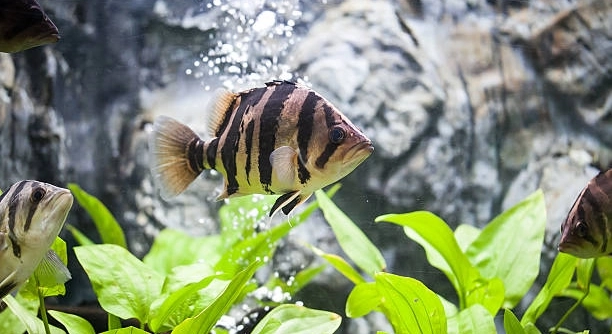
Do your tiger barbs spend more time hiding than swimming, leaving your tank feeling a bit dull and lifeless?
Tiger barb activity can be stimulated by enriching their environment with plants, using larger tanks, offering a varied diet, introducing tank mates, creating currents, adjusting lighting, and maintaining consistent water parameters.
Simple adjustments can lead to livelier behavior and a more engaging tank for both you and your fish.
Add More Plants and Decorations
A tank filled with plants and decorations gives tiger barbs more areas to explore, hide, and swim through. They are naturally curious and benefit from a structured environment that mimics their natural habitat. Adding live plants like java fern, anubias, or hornwort can offer both visual interest and a sense of security. You can also use driftwood, rocks, and artificial caves to break up the space and reduce stress. A more complex tank layout helps prevent boredom and encourages natural swimming patterns. The more interesting the setup, the more active and confident your tiger barbs will become.
Choose decorations with smooth edges to avoid injury. Avoid overloading the tank, as too much clutter can reduce swimming space.
Plants also help with water quality by absorbing excess nutrients. A well-decorated tank not only supports activity but can also make your barbs more comfortable, helping them display brighter colors and more vibrant behavior throughout the day.
Increase Water Flow
Tiger barbs are strong swimmers and enjoy mild currents in the water. Adding a filter with adjustable flow or a small circulation pump can help recreate natural river-like movement in your tank.
Make sure the current is not too strong. A light to moderate flow encourages swimming and exercise. If your tank has still areas and stronger flow zones, the fish will move between them and stay active. Avoid direct, harsh water streams that might stress or exhaust your fish. The key is balance. Using a spray bar or angling the flow toward the surface can create gentle movement without overwhelming them. Also, current helps with oxygenation, which supports overall health and alertness. A well-oxygenated tank keeps tiger barbs more engaged and can also reduce signs of lethargy. Simple flow adjustments often make a noticeable difference in how frequently your fish swim and interact with their environment.
Offer a Varied Diet
Tiger barbs get bored with the same food every day. Mixing up their diet keeps them active and excited during feeding times. Use a blend of flakes, pellets, frozen foods, and live treats like brine shrimp or bloodworms.
Rotating food types provides better nutrition and stimulates hunting instincts. Live or frozen foods can trigger quick movements and alert behavior, which naturally boosts activity. It’s best to feed them small amounts twice a day rather than one large meal. This keeps their energy steady and encourages consistent swimming. Sinking pellets or gel foods give them a chance to forage, which is another good way to engage them. Overfeeding should be avoided, though—it leads to poor water quality and health problems. If they ignore certain foods, try different textures or sizes until you find what they prefer. Observing their eating habits helps adjust your choices for better results.
An active feeding routine can even help reduce aggression among tiger barbs. They are known for being a bit pushy, especially when bored or underfed. By spreading food across the tank and providing more variety, each fish has a better chance of getting a fair share. This reduces stress and encourages smoother group behavior over time.
Introduce Compatible Tank Mates
Tiger barbs are schooling fish and prefer to live in groups. A school of six or more helps reduce aggression and keeps them active. Adding peaceful, fast-swimming tank mates can also promote healthier behavior.
Choose tank mates that match their energy and can hold their own, like zebra danios, rainbowfish, or larger tetras. Avoid slow or long-finned fish, as tiger barbs may nip at them. Introducing the right companions keeps them engaged and encourages social swimming. The tank becomes more dynamic, and your barbs often mimic or respond to the movement of others. Make sure there’s enough space for everyone—crowding causes stress and reduces activity. Watch for signs of bullying or stress during the first week. If needed, rearrange the tank to break up territories. With the right mix, the whole tank becomes more interactive and enjoyable to watch, as the fish remain alert and more physically active.
Adjust the Lighting
Soft, natural lighting keeps tiger barbs more relaxed and active. Sudden bright light can startle them, while dim lighting may cause them to hide. Use a gradual on/off setting if possible to create a smooth transition.
A balanced light cycle helps with energy and swimming patterns. Aim for 8–10 hours of light per day, followed by a darker period. This rhythm supports natural behavior and reduces stress.
Keep Water Conditions Stable
Tiger barbs are sensitive to sudden changes in their environment. Consistent water parameters keep them healthy and active. Maintain a temperature between 74–79°F, a pH around 6.0–7.5, and ammonia and nitrite levels at zero. Nitrate should stay low, ideally under 20 ppm. Perform weekly water changes of 25–30% and test water regularly. Stability reduces the risk of illness and keeps the fish confident in their space. A clean, well-maintained tank helps prevent hiding or sluggish behavior. When the environment feels steady, tiger barbs are more likely to show playful, energetic swimming throughout the day.
Rearrange the Tank Occasionally
Moving plants or decorations from time to time encourages exploration. New layouts trigger curiosity and give your tiger barbs something fresh to interact with. Just make small changes to avoid causing stress.
FAQ
How many tiger barbs should I keep together for best activity?
Tiger barbs are social and need to be in groups to feel secure. The ideal group size is at least six, but more is often better. In smaller groups, they may become aggressive or stressed. When kept in a proper school, they swim together, chase playfully, and show more natural behavior. A larger group spreads out aggression, reduces fin nipping, and keeps the energy level high in the tank. If possible, aim for eight to ten in a tank with enough space. This setup brings out their best colors and boosts overall activity.
What size tank is best for active tiger barbs?
A 20-gallon tank is the minimum, but a 30-gallon or larger tank is much better if you want your tiger barbs to stay active and healthy. These fish are fast swimmers and need space to move around. A longer tank gives them more horizontal room to swim, which supports their natural habits. More space also reduces tension among tank mates and helps keep water quality stable. With room to explore and plenty of open swimming areas, your tiger barbs will stay more energetic and confident throughout the day.
What water temperature keeps tiger barbs the most active?
Tiger barbs thrive in slightly warm water. The best range is 74–79°F (23–26°C). Within this range, their metabolism stays balanced, and they remain alert and active. If the water gets too cold, they may become sluggish and less social. Temperatures above 80°F can increase aggression or stress. Using a heater with a thermostat helps keep conditions stable. Always check the temperature regularly, especially during seasonal changes or water changes. Keeping the tank within the right range helps maintain a steady activity level and supports their long-term health.
Do tiger barbs need live food to stay active?
Live food isn’t required daily, but it does help boost their activity. Tiger barbs enjoy chasing small live foods like brine shrimp or daphnia. These occasional feedings encourage natural hunting behavior and provide mental stimulation. However, too much live food can cause water issues and health problems, so use it as a treat once or twice a week. A balanced diet of flakes, pellets, and occasional live or frozen options works best. This variety keeps feeding time engaging and helps them stay energetic throughout the day.
Can changing tank decorations too often stress tiger barbs?
Yes, frequent or drastic changes can cause stress. While rearranging decorations every few weeks can encourage exploration and activity, it’s best to make small adjustments rather than complete overhauls. Tiger barbs need some consistency in their space to feel safe. A small change, like moving a plant or shifting a rock, is usually enough to spark curiosity. Too much change, especially all at once, may lead to hiding or aggressive behavior. Watch their reaction—if they seem uneasy, wait longer between rearrangements.
Why are my tiger barbs active at night?
Tiger barbs are mainly diurnal, meaning they’re active during the day. If they’re swimming a lot at night, the lighting schedule may be off or the room might be too bright. Bright ambient lighting in the evening can confuse their rhythm. To fix this, stick to a regular light cycle—about 8 to 10 hours of light each day—followed by darkness. Also, make sure the room gets dark at night, especially if your tank doesn’t have a light timer. Setting up a proper day-night pattern helps regulate their energy and behavior.
How can I tell if my tiger barbs are bored?
If tiger barbs seem less active, spend more time hovering in place, or start nipping each other more often, they might be bored. Lack of stimulation can cause frustration, which often turns into aggression. Rearranging décor, adjusting current, or offering new food types can help. Also, check water quality, as stress from poor conditions can look similar to boredom. Keeping them in a school and offering new things to explore are the simplest ways to keep them mentally and physically active. A lively tank setup leads to better behavior and brighter colors.
Final Thoughts
Keeping tiger barbs active is not difficult, but it does take a little effort and attention. These fish are naturally playful and curious, so they respond well to small changes in their environment. A mix of plants, decorations, and space to swim gives them more chances to explore. Feeding them a variety of food also keeps them interested during mealtimes. Simple changes like adjusting water flow, choosing the right tank mates, or gently rearranging the setup can go a long way. When their needs are met, tiger barbs become more colorful, social, and confident in their space.
Watching tiger barbs swim, chase, and interact is one of the most enjoyable parts of keeping them. But when they’re inactive or hiding all the time, it’s usually a sign that something in the tank could be improved. Stable water conditions, proper lighting, and regular tank care help prevent stress and illness. Staying on top of tank maintenance also keeps the environment clean and balanced. A healthy tank supports natural behavior, while a poorly maintained one can lead to boredom or aggression. If something seems off, it’s often worth checking the basics before making big changes.
Each tiger barb has its own personality, but as a group, they respond well to structure and routine. They need a bit of space, a sense of safety, and opportunities to move and explore. Whether you’re adding more plants or just changing their feeding routine, every small improvement can help. Over time, you’ll notice how these details affect their mood and behavior. Keeping tiger barbs active is really about creating a balanced and interesting environment. With just a bit of consistency and care, your tank will feel more alive—and your fish will show you just how active and engaging they can be.

Hello,
If you enjoy the content that we create, please consider saying a "Thank You!" by leaving a tip.
Every little bit helps us continue crafting quality advice that supports the health, happiness, and well-being of pets around the world, for pets of all shapes, sizes, and species.
We really appreciate the kindness and support that you show us!