
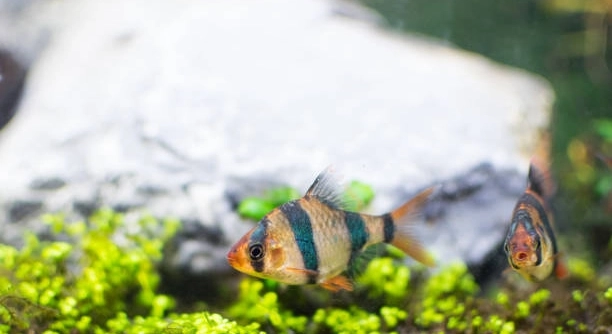
Tiger barbs are popular aquarium fish known for their vibrant colors and lively behavior. Many fishkeepers want to create the best environment for them, which often includes understanding their temperature preferences. Water temperature plays a crucial role in their health and activity levels.
Tiger barbs thrive best in warm water with temperatures ranging between 74°F and 79°F (23°C to 26°C). Warm water currents help maintain their metabolism and encourage natural swimming behavior, contributing to their overall well-being in captivity.
Knowing how temperature affects tiger barbs can improve their care and keep them healthy. This article will explain why warm currents matter and how to maintain the ideal water conditions.
Why Warm Water is Important for Tiger Barbs
Tiger barbs are tropical fish that come from warm freshwater environments in Southeast Asia. Their bodies are adapted to water temperatures that stay steady and warm. Warm water helps their metabolism work properly, which means they can digest food, swim actively, and stay healthy. When the water is too cold, their immune system weakens, making them more prone to illness. It can also slow down their movements, causing stress and making them less active. Besides temperature, warm water currents help oxygenate the tank, keeping the water fresh and comfortable. Without proper warmth, tiger barbs might hide more often and lose their bright colors, which can be a sign of poor health. Maintaining stable warm water conditions mimics their natural habitat and supports their natural behavior, like schooling and exploring the tank. Paying attention to water temperature is a simple but effective way to keep your tiger barbs happy and thriving.
Warm water supports the tiger barbs’ health by improving metabolism and reducing stress.
Keeping your tank water warm and consistent prevents many common health problems. Using a reliable aquarium heater with a thermostat helps maintain the right temperature range. Also, water circulation should be gentle but steady to simulate their natural currents. Avoid sudden temperature changes, as they can shock the fish and cause illness. Monitoring the temperature daily ensures the environment stays stable. Proper warm water conditions also encourage breeding behavior and improve overall activity. Small efforts in controlling the tank’s warmth pay off with a vibrant, healthy school of tiger barbs.
How to Maintain Warm Water Currents in Your Aquarium
Maintaining warm water currents requires the right equipment and setup. A heater with a thermostat is essential to keep the temperature steady. Position the heater near a filter or water pump to spread the warmth evenly throughout the tank. Using a water pump or powerhead can create gentle currents that mimic the fish’s natural habitat. It’s important that the flow isn’t too strong, as tiger barbs prefer moderate movement rather than rapid currents. Regular water changes also help maintain water quality and temperature balance. Avoid placing the aquarium near windows or doors where cold drafts can affect water temperature. Consistent monitoring with a thermometer ensures the environment stays optimal for your tiger barbs to flourish.
Proper equipment and placement ensure warm, steady currents that support tiger barbs’ health.
Creating and maintaining warm water currents is about balance. Too much flow can stress the fish, but too little can cause stagnation and reduce oxygen levels. Adjust the flow based on how your fish behave—active swimming usually indicates comfortable conditions. Regular maintenance, like cleaning filters and checking equipment, keeps the water moving and warm. Keep an eye on tank temperature daily, especially during seasonal changes. Using a combination of a heater, filter, and pump ensures the water stays at the right warmth and flow. This creates an environment that encourages tiger barbs to be active, healthy, and colorful.
Ideal Temperature Range for Tiger Barbs
The ideal temperature for tiger barbs ranges from 74°F to 79°F (23°C to 26°C). This range keeps them healthy and active without stressing their system.
Maintaining this temperature range supports their metabolism, immune function, and overall well-being. If the water temperature drops below 74°F, tiger barbs may become lethargic and more vulnerable to diseases. Temperatures above 79°F can increase oxygen demand, leading to stress if the tank isn’t properly aerated. Using an adjustable heater with a thermostat helps keep the temperature consistent. Regularly checking the thermometer ensures the water stays within the optimal range. This simple step is key for a thriving aquarium.
Temperature fluctuations should be avoided as they cause stress and weaken the fish’s health. Keeping the water stable also encourages natural behavior such as schooling and feeding. Consistency in temperature makes it easier to maintain the overall tank environment and prevents unnecessary health problems for your tiger barbs.
Effects of Water Currents on Tiger Barb Behavior
Water currents influence tiger barb activity and social interaction. Moderate currents encourage natural swimming patterns and prevent boredom.
Strong currents can tire out tiger barbs quickly, causing them to hide or become stressed. They prefer gentle, steady water movement that simulates their river habitats. Currents improve oxygen distribution and waste removal, both critical for a healthy tank environment. Observing how your fish respond to the flow helps you adjust equipment settings for the best balance. A calm but flowing tank makes them more lively and comfortable, which is important for their well-being.
Inadequate or stagnant water can lead to poor oxygen levels and reduce overall tank health. Proper water circulation helps maintain clear water and supports beneficial bacteria. Keeping the currents at the right level ensures tiger barbs stay active and exhibit natural schooling behavior, making your aquarium a vibrant display.
Common Signs Tiger Barbs Are Uncomfortable
When tiger barbs are uncomfortable, they often show signs like sluggish swimming or hiding frequently. Dull colors and loss of appetite can also indicate stress due to improper water conditions.
Other signs include clamped fins and increased aggression within the group. These behaviors suggest the tank environment needs adjustment, especially temperature or water flow.
Adjusting Water Temperature Safely
Always adjust water temperature slowly to avoid shocking the fish. A change of more than 2°F per hour can stress tiger barbs and affect their health.
Use a reliable heater with a built-in thermostat to maintain steady temperatures. Monitor daily to ensure the environment remains stable, promoting their long-term well-being.
Best Equipment for Maintaining Warm Currents
A quality aquarium heater combined with a gentle water pump creates ideal warm water currents. The heater maintains temperature, while the pump ensures even circulation without strong flow.
Choosing equipment rated for your tank size helps keep conditions steady and comfortable for your tiger barbs.
Impact of Temperature on Breeding
Warmer water stimulates breeding behavior in tiger barbs, encouraging spawning and fry development. Cooler water can delay or prevent reproduction entirely.
FAQ
What is the best water temperature for tiger barbs?
The best water temperature for tiger barbs is between 74°F and 79°F (23°C to 26°C). Staying within this range keeps them healthy, active, and reduces the risk of stress or illness. It’s important to use a reliable heater and monitor the temperature regularly to maintain these conditions.
Can tiger barbs live in cooler water?
Tiger barbs can survive in cooler water but may become sluggish and less active. Cooler temperatures slow their metabolism and weaken their immune system, making them more prone to disease. It is not recommended to keep them below 74°F for long periods.
Do tiger barbs need strong water currents?
Tiger barbs prefer moderate water currents. Strong currents can tire them out and cause stress. Gentle, steady movement simulates their natural river environment and keeps oxygen levels balanced without overwhelming the fish.
How do I create warm water currents in my aquarium?
To create warm water currents, use a heater with a thermostat to keep temperature steady and a powerhead or filter outlet to circulate water gently. Position the heater near the filter to help spread warmth evenly throughout the tank.
What happens if the water temperature fluctuates a lot?
Frequent temperature changes cause stress in tiger barbs and can lead to illness. Sudden drops or spikes weaken their immune system and disrupt natural behaviors. Maintaining a consistent temperature helps prevent these problems.
How can I tell if my tiger barbs are stressed by temperature?
Signs of temperature stress include sluggish swimming, hiding, dull colors, loss of appetite, and clamped fins. Increased aggression or abnormal behavior can also be warning signs that the environment isn’t suitable.
Is it okay to turn off the heater at night?
Turning off the heater at night is not recommended. Even small drops in temperature can stress tiger barbs. Keeping the heater on ensures a stable environment and supports their health and activity levels.
What temperature is best for breeding tiger barbs?
Breeding tiger barbs do best at the higher end of their temperature range, around 78°F to 79°F (25.5°C to 26°C). Warmer water encourages spawning and helps the fry develop properly. Stable temperature is crucial during breeding.
How often should I check the water temperature?
Checking water temperature daily is best practice. This helps you catch any equipment malfunctions or environmental changes early. Use a reliable aquarium thermometer and adjust your heater or circulation system as needed.
Can warm water currents help reduce aggression among tiger barbs?
Warm water currents promote healthy metabolism and activity, which can reduce stress-related aggression. When tiger barbs are comfortable and active, they tend to focus on schooling and exploring rather than fighting.
What equipment is necessary to maintain ideal water temperature?
A good-quality aquarium heater with an adjustable thermostat is essential. Pair it with a filter or water pump to circulate water gently. This combination keeps water temperature stable and evenly distributed, supporting healthy tiger barbs.
How do I avoid overheating my tiger barb tank?
Avoid overheating by using a heater with a thermostat and regularly monitoring the temperature. Keep the tank out of direct sunlight and away from heat sources. Proper ventilation and cooling fans can help if the room gets too warm.
Are there natural ways to keep water warm for tiger barbs?
Natural ways include placing the aquarium in a warm room and using plants to help regulate temperature. However, relying solely on room temperature can cause fluctuations, so a heater is still necessary for consistency.
Can water flow improve oxygen levels in the tank?
Yes, water flow increases oxygen exchange at the surface, which is important for tiger barbs’ respiration. Proper circulation also helps remove waste and keeps the tank environment clean and healthy.
What should I do if my tiger barbs show signs of temperature stress?
If you notice stress signs, check the water temperature immediately and adjust if needed. Ensure your heater and thermometer are working correctly. Make any temperature changes slowly to avoid shocking the fish. Improving water quality and circulation also helps.
Tiger barbs are lively fish that need a warm and stable environment to thrive. Maintaining the right water temperature between 74°F and 79°F is essential for their health and happiness. Warm water helps their metabolism, encourages activity, and supports their immune system. Without the proper temperature, tiger barbs can become stressed, show signs of illness, or lose their vibrant colors. Keeping a steady temperature is one of the easiest ways to make sure your fish stay healthy and behave naturally in the aquarium.
In addition to temperature, water currents play an important role in creating a comfortable habitat for tiger barbs. Gentle, steady currents mimic the rivers and streams where these fish come from. This movement improves oxygen levels in the tank and helps prevent water from becoming stagnant. However, strong currents can tire the fish out and cause unnecessary stress. Balancing water flow is key to maintaining a healthy environment. Using equipment like a heater combined with a gentle water pump or filter outlet can provide the right warmth and circulation. Monitoring these conditions regularly ensures the aquarium stays suitable for your tiger barbs.
Taking care of tiger barbs means paying attention to details like temperature and currents, which directly affect their behavior and health. A consistent, warm environment supports their natural instincts, such as schooling and feeding, while reducing aggression and stress. When these factors are properly managed, tiger barbs are more likely to live longer and show their best colors. Setting up your aquarium with the right equipment and regularly checking conditions will create a stable home where your fish can thrive. Understanding their needs is important for anyone who wants to keep tiger barbs healthy and happy.

Hello,
If you enjoy the content that we create, please consider saying a "Thank You!" by leaving a tip.
Every little bit helps us continue crafting quality advice that supports the health, happiness, and well-being of pets around the world, for pets of all shapes, sizes, and species.
We really appreciate the kindness and support that you show us!