
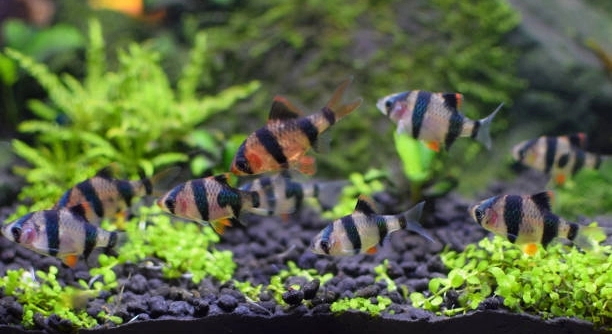
Tiger barbs are popular aquarium fish known for their lively behavior and striking colors. Many fishkeepers notice these active swimmers interacting frequently. Their social dynamics can seem complex and often catch the attention of hobbyists observing their tanks.
Tiger barbs do compete for attention within their groups, especially during feeding times and territorial displays. This competition is expressed through chasing, fin flaring, and positioning to assert dominance among peers. Such behavior helps establish social hierarchy and access to resources.
Exploring these interactions offers insight into their social nature and helps maintain a balanced aquarium environment. Understanding their behavior supports healthier, more harmonious fish communities.
How Tiger Barbs Show Their Attention-Seeking Behavior
Tiger barbs use several ways to compete for attention in their aquarium. They often swim rapidly and chase each other around, which can look like playful behavior but actually shows their social rank. When one fish flares its fins or raises its body higher, it is trying to appear bigger and stronger. This helps it stand out to others and claim territory or food. Sometimes, these fish nip at each other’s fins, which is a way to test limits without causing serious harm. During feeding times, the more dominant tiger barbs quickly rush to the food, pushing others aside. This behavior ensures they get enough to eat but can stress less aggressive fish. Watching these interactions can help you understand how your fish communicate and avoid conflicts that might harm the tank’s harmony.
Tiger barbs’ active behavior is a natural part of their social structure and helps maintain order in the group.
Knowing how they act allows you to create a better environment that suits their needs and keeps them less stressed.
Managing Competition Among Tiger Barbs
Competition among tiger barbs can sometimes lead to stress and injuries if not monitored carefully. It is important to provide enough space, hiding spots, and food to reduce aggressive behavior.
When tiger barbs compete too much, it can cause weaker fish to hide or become stressed, which affects their health. Overcrowding makes this problem worse because there is less room to establish territories. Adding plants and decorations can help create visual barriers that break up the line of sight and calm the fish. Feeding smaller amounts more often instead of one large feeding helps reduce fighting. Observing your fish regularly helps you spot signs of excessive aggression early. Adjusting the tank setup or the number of fish can improve the group’s balance. Taking these steps supports a peaceful community where all tiger barbs can thrive and show their natural colors without constant fighting.
Signs of Dominance in Tiger Barbs
Dominance in tiger barbs shows clearly through their behavior. The dominant fish often leads the group and claims the best spots in the tank. They are usually the first to eat and the most active during social interactions.
Dominant tiger barbs display behaviors such as chasing others away from food or hiding places. They may flare their fins and swim aggressively to keep weaker fish in check. These actions establish a clear hierarchy, which helps reduce constant fighting. The dominant fish also tend to be the brightest and most confident, often staying in visible areas. This dominance is not always harmful but can cause stress if the group is too small or overcrowded.
When a dominant tiger barb is removed, others quickly compete to take its place, showing how important this social order is for the group’s balance.
How Tank Setup Affects Tiger Barb Behavior
Tank size and decoration play big roles in how tiger barbs behave. A larger tank gives them more room to swim and avoid constant contact, reducing aggression and competition.
Plants, rocks, and hiding spots help break the line of sight between fish. This reduces tension and gives shy or weaker fish places to rest without being chased. A well-decorated tank mimics their natural environment, making them feel more secure. Open swimming areas let dominant fish show their strength, while hiding spots give less dominant fish a chance to escape stress. Careful planning of the tank setup can balance social interactions and promote peaceful coexistence among tiger barbs. This approach improves their overall health and makes the aquarium more enjoyable to watch.
Feeding Habits and Attention
Tiger barbs become very competitive when food is involved. They rush to the source and try to eat first, often chasing others away.
Feeding smaller portions more frequently helps reduce aggression. It gives all fish a better chance to eat without constant fighting or stress.
Group Size and Social Dynamics
A proper group size is important to keep tiger barbs balanced. Having at least six or more reduces bullying because attention is shared among many fish. Smaller groups lead to stronger competition and more visible fights. Larger groups spread out social stress, making the tank more peaceful overall.
Recognizing Stress in Tiger Barbs
Signs of stress include hiding, loss of color, and fin damage. Watching for these helps catch problems early.
How many tiger barbs should I keep together?
Keeping at least six tiger barbs together is ideal. A group this size helps spread out their natural competition and aggression. Smaller groups tend to increase bullying because fewer fish are around to share attention. When you have six or more, the dominant behavior is less focused on one or two fish, which helps maintain peace in the tank.
Why do tiger barbs chase each other?
Chasing is part of how tiger barbs establish social order. They use chasing to show dominance and test other fish. While it can look aggressive, it is usually a natural way for them to communicate. However, if chasing becomes constant or severe, it may indicate overcrowding or stress in the tank.
Can tiger barbs injure each other?
Yes, sometimes chasing and fin nipping can cause injuries. This is more common when the tank is too small or there aren’t enough hiding places. Injuries can lead to infections, so it’s important to watch for damaged fins or wounds and make sure the environment supports healthy behavior.
How can I reduce aggression in my tiger barbs?
Providing a larger tank with plenty of plants, rocks, and hiding spots helps reduce aggression. Also, feeding smaller amounts more frequently prevents fights over food. Keeping a group of six or more fish distributes attention and lowers bullying. Regular observation allows you to catch and address aggressive behavior early.
Do tiger barbs compete only during feeding?
No, they compete at other times too. Besides feeding, tiger barbs display dominance through chasing and fin flaring during swimming and resting times. These behaviors are part of their social hierarchy and help keep their group organized.
Is it normal for tiger barbs to nip fins?
Yes, fin nipping is a common behavior in tiger barbs. It serves as a way to establish dominance and boundaries. However, excessive fin nipping can be stressful and harmful, especially for slower or less dominant fish.
What tank size is best for tiger barbs?
A tank of at least 30 gallons is recommended for a group of six or more tiger barbs. This size provides enough space for swimming and territories, which lowers competition and stress. Smaller tanks often cause aggressive behavior due to overcrowding.
How do I know if my tiger barbs are stressed?
Stress signs include hiding, faded colors, clamped fins, and loss of appetite. Sometimes stressed fish also show damaged fins from constant chasing. Spotting these signs early allows you to adjust tank conditions or group size to improve their well-being.
Can tiger barbs live peacefully with other fish?
Tiger barbs can live with other fish, but it’s best to choose species that are quick and can handle their active nature. Slow or long-finned fish may become targets of fin nipping. Avoid keeping them with very aggressive fish to prevent fights.
What should I do if one tiger barb is being bullied?
If one fish is constantly chased or hiding, try adding more hiding places or increasing the group size. Sometimes separating the bullied fish temporarily helps it recover. Ensuring the tank is large enough and feeding well also reduces stress and competition.
Do tiger barbs need specific water conditions?
Tiger barbs prefer slightly acidic to neutral water with a temperature between 74°F and 79°F (23°C to 26°C). Stable water parameters help reduce stress and aggressive behavior. Regular water changes keep the environment healthy and fish active.
How often should I feed my tiger barbs?
Feeding small amounts two to three times a day works best. This approach prevents overfeeding and reduces competition over food. It also keeps the fish energetic and healthy, supporting their natural behavior.
Can dominance change among tiger barbs?
Yes, dominance can shift when a dominant fish is removed or weakened. Other tiger barbs quickly compete to take the lead. This ongoing change keeps the social group balanced but can increase short-term aggression during transitions.
Are there signs tiger barbs are happy?
Active swimming, bright colors, regular eating, and social interaction are good signs. When tiger barbs explore their environment calmly and interact without constant chasing, it shows they are comfortable and well-adjusted.
What is the best way to introduce new tiger barbs to a tank?
Introduce new fish slowly by quarantining them first to avoid disease. Add them to the main tank with plenty of space and hiding spots. Feeding often during introduction can distract from aggression and help the group adjust. Watch closely for signs of bullying or stress during this time.
Tiger barbs are lively fish that show clear social behaviors, including competition for attention. Their chasing, fin flaring, and occasional nipping are natural ways to establish who is dominant in the group. This behavior is important for their social order but can sometimes lead to stress or injuries if the environment is not suitable. Understanding how tiger barbs interact helps keep them healthy and peaceful. By observing their behavior, fishkeepers can create a better tank setup that reduces aggression and supports all fish.
A key part of managing tiger barb competition is providing enough space and hiding spots. A larger tank with plants, rocks, and decorations helps break up lines of sight and gives less dominant fish places to rest. This reduces constant chasing and allows shy fish to avoid stress. Feeding smaller amounts more frequently also lowers competition during meal times. Keeping at least six tiger barbs together helps spread out their energy and attention, preventing bullying of weaker fish. These small changes make a big difference in creating a balanced and calm community.
In the end, tiger barbs’ natural behavior can be managed well with proper care. Watching for signs of stress like hiding or damaged fins is important to catch problems early. Adjusting tank size, group number, and feeding routines helps reduce aggressive competition. When their needs are met, tiger barbs show bright colors, swim actively, and interact in healthy ways. With attention to their behavior and environment, these fish can live happily together, providing an enjoyable and lively aquarium experience.

Hello,
If you enjoy the content that we create, please consider saying a "Thank You!" by leaving a tip.
Every little bit helps us continue crafting quality advice that supports the health, happiness, and well-being of pets around the world, for pets of all shapes, sizes, and species.
We really appreciate the kindness and support that you show us!