
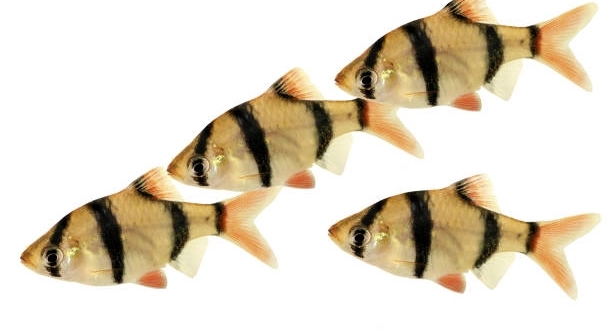
Many fish enthusiasts enjoy keeping tiger barbs due to their lively nature and striking colors. However, there are many ideas floating around about which fish can live peacefully with them. Sorting fact from fiction can help create a balanced aquarium environment.
Tiger barb compatibility myths often exaggerate their aggression and misunderstand their social needs. While they are active and sometimes nippy, tiger barbs can live harmoniously with certain species when given proper care and tank conditions.
Clearing up these common myths will help you provide a happier, healthier home for your tiger barbs and their tank mates.
Myth 1: Tiger Barbs Always Attack Other Fish
Tiger barbs are known for their energetic behavior, which some interpret as aggression. They do tend to nip fins, especially if they feel crowded or stressed. However, this behavior is usually directed at slower, long-finned fish that can’t keep up with their quick movements. Keeping tiger barbs in groups of six or more helps reduce nipping since they focus on each other rather than other tank mates. Proper tank size and hiding spaces also help minimize tension. Understanding their social nature can prevent conflicts and promote a peaceful environment for all fish in the aquarium.
Aggression in tiger barbs often decreases when their social and environmental needs are met properly.
Keeping a balanced number of tiger barbs and providing enough space will lower aggressive tendencies. They are more likely to coexist calmly with active, fast-swimming fish that can tolerate their behavior. Adding plants and decorations for hiding spots helps diffuse tension and gives slower fish places to retreat. This careful approach ensures a more peaceful tank and better compatibility for everyone involved.
Myth 2: Tiger Barbs Cannot Live With Other Species
Tiger barbs can live with a variety of other fish species if tank conditions are right. Their reputation for being too aggressive is often based on isolated incidents or overcrowded tanks. They do best with species that are similarly active and can handle occasional fin nipping. Examples include danios, certain tetras, and some barbs. Avoid keeping them with very slow or long-finned fish like angelfish or bettas, as these are more likely to be targeted.
Proper planning and understanding of tiger barb behavior can create a diverse and thriving community tank.
Providing adequate space, a balanced group of tiger barbs, and choosing compatible tank mates are key to success. Monitoring their interactions regularly helps catch any issues early. When kept with suitable companions, tiger barbs add lively energy and bright color without dominating the tank. Taking these steps can help you enjoy the variety and activity they bring to your aquarium without unnecessary stress or conflict.
Myth 3: Tiger Barbs Need to Be Kept in Very Large Groups
While tiger barbs do better in groups, the size doesn’t have to be huge. A group of six to eight is usually enough to keep their social needs met and reduce aggressive behavior. Too few can cause stress and increase nipping.
Keeping a small school helps tiger barbs focus on each other instead of other fish. If the group is too small, they might become aggressive or lonely. Proper group size encourages natural schooling behavior and keeps the peace. You don’t need a massive number, just enough for them to feel secure and engaged.
A well-sized group also makes it easier to manage tank space and water quality. Balancing numbers avoids overcrowding while meeting their social needs. This balance improves overall tank harmony and fish health, making the aquarium enjoyable to maintain and watch.
Myth 4: Tiger Barbs Can’t Live in Peace With Slow-Moving Fish
Tiger barbs are more likely to nip slow, long-finned fish like angelfish or bettas, but this doesn’t mean peaceful coexistence is impossible. It depends on tank setup, group size, and how much space is available.
Providing enough space and hiding spots helps slow fish avoid unwanted attention. Grouping tiger barbs properly reduces their aggression toward other species. Choosing tank mates that tolerate active fish can also improve peace. It’s a matter of balance and environment, not just fish type.
With thoughtful planning, slow-moving fish and tiger barbs can share a tank. Making sure both have their needs met creates a more peaceful environment. Careful observation and adjustments are necessary to maintain harmony between different fish personalities.
Myth 5: Tiger Barbs Will Destroy Plants in the Tank
Tiger barbs are generally not plant eaters. They may nibble occasionally but won’t destroy healthy, established plants. Keeping plants strong and well-rooted protects them from any minor nibbling.
Providing plenty of hiding spaces with plants actually helps reduce aggression among tiger barbs.
Myth 6: Tiger Barbs Can Live With Any Fish Species
Not all fish are compatible with tiger barbs. Species that are very slow or have long fins usually suffer from nipping. Choosing tank mates with similar activity levels is important for harmony.
Tiger barbs do best with fast, active fish like danios and some tetras. Matching their energy helps prevent stress and aggression.
Myth 7: Tiger Barbs Don’t Need a Large Tank
A tank smaller than 20 gallons is usually too cramped for a group of tiger barbs. They need room to swim and school properly.
Providing enough space is key to keeping tiger barbs healthy and calm.
FAQ
How many tiger barbs should I keep together?
Tiger barbs should be kept in groups of at least six. Smaller groups can cause stress and increase aggressive behavior. A group of six to eight is ideal to keep them social and reduce fin nipping. This size allows them to focus on each other rather than bothering other fish.
Can tiger barbs live with bettas?
Bettas and tiger barbs usually don’t get along well. Tiger barbs are active and may nip the betta’s long fins, causing stress or injury. It’s better to avoid keeping these two species together, especially in smaller tanks.
What tank size is best for tiger barbs?
A minimum tank size of 20 gallons is recommended for a small group of tiger barbs. They need enough swimming space to school comfortably and avoid overcrowding. Larger tanks help reduce stress and aggressive behavior by giving each fish room to move.
Are tiger barbs aggressive?
Tiger barbs can be somewhat aggressive, especially if kept in small groups or crowded tanks. However, their aggression decreases when they are in proper-sized groups and environments. They are more nippy than truly aggressive, mainly targeting slow or long-finned fish.
Can tiger barbs live with slow-moving fish?
Slow-moving or long-finned fish, like angelfish or guppies, may get nipped by tiger barbs. However, with enough space, hiding spots, and a good-sized group of tiger barbs, some slow fish may coexist peacefully. Careful observation is necessary to ensure harmony.
Do tiger barbs eat plants?
Tiger barbs rarely eat plants. They might nibble on some leaves but generally leave healthy plants alone. Well-rooted and fast-growing plants usually do fine in a tiger barb tank.
What fish are best tank mates for tiger barbs?
Good tank mates for tiger barbs include other active, fast-swimming fish like danios, certain tetras, and other barbs. These species can keep up with tiger barbs’ energy and reduce chances of fin nipping or aggression.
How can I reduce aggression in tiger barbs?
Keeping tiger barbs in groups of six or more helps lower aggression. Providing plenty of space and hiding places also reduces stress. Choosing compatible tank mates and maintaining good water quality further supports calm behavior.
Are tiger barbs schooling fish?
Yes, tiger barbs are schooling fish. They feel safer and behave better when kept in groups. Schooling also spreads out their attention, so they are less likely to bother other fish.
Can tiger barbs live alone?
Tiger barbs should not be kept alone. They rely on social interaction with their own kind. A lone tiger barb may become stressed, aggressive, or unhealthy.
What do tiger barbs eat?
Tiger barbs eat a variety of foods, including flakes, pellets, and live or frozen foods like bloodworms or brine shrimp. A varied diet helps keep them healthy and colorful.
How often should I feed tiger barbs?
Feeding tiger barbs once or twice a day with small amounts is best. Overfeeding can pollute the tank and cause health issues.
Do tiger barbs need special water conditions?
Tiger barbs prefer slightly acidic to neutral water with a temperature between 74°F and 79°F (23°C–26°C). Regular water changes and stable conditions are important for their health.
How long do tiger barbs live?
With proper care, tiger barbs can live 5 to 7 years. Good tank conditions and diet are key to a long life.
Can tiger barbs jump out of the tank?
Tiger barbs are active swimmers and can jump if startled or stressed. A secure tank lid is important to prevent escapes.
Is it okay to mix tiger barbs with other barb species?
Yes, tiger barbs usually get along well with other barb species if the tank is large enough. Mixing similar-sized, active barbs can create a lively and peaceful community.
Tiger barbs are lively and colorful fish that can bring energy to an aquarium. While they have a reputation for being aggressive, understanding their behavior helps create a peaceful tank. Many myths about their compatibility come from misunderstandings or poor tank conditions. When kept in proper groups and with suitable tank mates, tiger barbs are much less likely to cause problems. Giving them enough space and a well-planned environment is key to reducing stress and aggression.
It’s important to remember that tiger barbs are social creatures. They need the company of their own kind to feel comfortable and behave naturally. Keeping at least six together helps them focus on each other rather than other fish in the tank. Providing hiding spots and plants also helps all fish feel safe and less stressed. Choosing tank mates that can keep up with tiger barbs’ active nature is equally important. Slow or long-finned fish often become targets for nipping, so they are not the best companions. Instead, look for fish that are energetic and can handle a bit of rough play.
With the right setup and care, tiger barbs can live happily with other species. Ignoring myths and focusing on their real needs helps avoid unnecessary conflicts. Regular tank maintenance, a balanced diet, and observing fish behavior go a long way in keeping the aquarium healthy. By paying attention to these factors, it is possible to enjoy the vibrant activity tiger barbs bring without worrying about constant aggression or harm to other fish. This balanced approach leads to a more enjoyable and successful aquarium experience for anyone who keeps tiger barbs.

Hello,
If you enjoy the content that we create, please consider saying a "Thank You!" by leaving a tip.
Every little bit helps us continue crafting quality advice that supports the health, happiness, and well-being of pets around the world, for pets of all shapes, sizes, and species.
We really appreciate the kindness and support that you show us!