
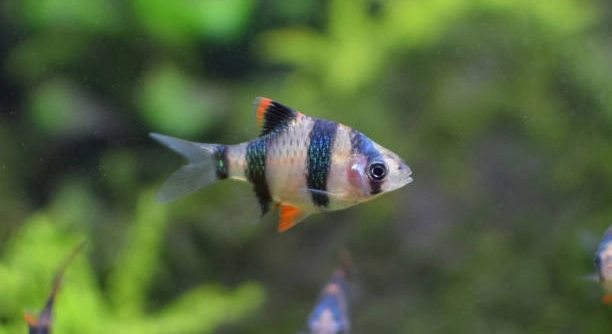
Many aquarium owners notice their tiger barbs often interact with their surroundings. One common observation is how these fish respond to reflections in tank glass or decorations. Understanding their behavior can help maintain a peaceful aquarium environment.
Tiger barbs generally do not mind tank reflections and may even respond to them as they would to other fish. Reflections can sometimes stimulate activity but rarely cause significant stress or aggression in a well-maintained tank environment.
Reflections in the tank add an interesting dynamic to your aquarium, and knowing how tiger barbs react can help create a balanced space for all your aquatic pets.
How Tiger Barbs React to Reflections
Tiger barbs are naturally curious and active fish. When they see their reflection in the tank glass or decorations, they often respond as if it were another fish. This can lead to increased swimming and sometimes chasing behavior. However, this reaction is usually brief. Over time, tiger barbs tend to recognize that the reflection is not a real threat or rival. In a well-set-up tank with enough space and hiding spots, these behaviors rarely escalate into aggression. Reflections may even provide some mental stimulation for tiger barbs, keeping them engaged. Still, it is important to observe your fish for any signs of stress, such as constant darting or hiding. Adjusting the tank setup to reduce strong reflections can help if you notice any negative behavior.
Reflections mainly cause harmless curiosity and occasional activity bursts in tiger barbs but do not usually disturb their peace.
Proper tank decoration and lighting can reduce reflections, helping tiger barbs feel secure and comfortable.
Managing Tank Reflections for a Healthy Environment
Minimizing reflections in the aquarium can be done through careful placement of decorations and lighting. Using background films or plants near the glass can help break up reflections. Soft lighting and avoiding direct sunlight on the tank also reduce glare.
Reflections can sometimes trigger minor stress or aggression, especially if the tank is overcrowded or the fish lack hiding places. Ensuring enough space and a calm environment helps tiger barbs stay relaxed. Regular observation and adjusting tank conditions can prevent behavior issues linked to reflections. If reflections seem to cause persistent chasing or fin damage, rearranging the tank layout or adding more plants can make a big difference. Taking simple steps to manage reflections ensures that tiger barbs remain healthy and their tank stays peaceful. This balance benefits all aquarium inhabitants and creates a more enjoyable display.
Impact of Reflections on Tiger Barb Behavior
Reflections can make tiger barbs more active, sometimes causing them to chase what they see. This behavior usually doesn’t last long and does not cause serious harm if the tank environment is good.
In some cases, tiger barbs may become a bit more aggressive when they see their reflection. They might flare fins or swim quickly toward the glass, trying to interact with the “other fish.” However, this behavior is mostly harmless and short-lived. If reflections are frequent and intense, it might cause stress, especially if the tank is small or crowded. Providing enough hiding spots and keeping a balanced group of tiger barbs can reduce tension caused by reflections. The fish learn over time that the reflections don’t pose a real threat.
Overall, reflections tend to cause temporary excitement or minor aggression but rarely disrupt normal social behavior. Proper tank setup is key to preventing any lasting issues from reflections.
How to Reduce Reflection Effects in Your Aquarium
Controlling light sources around the tank helps minimize reflections on the glass. Positioning the tank away from windows or strong indoor lighting lowers glare and reduces mirrored images.
Using plants and decorations near the glass breaks up reflections and gives fish places to hide. Dark or matte backgrounds also limit reflective surfaces. Keeping tank glass clean reduces light scattering, which can worsen reflections. Adjusting lighting intensity with dimmers or using soft LED lights helps create a calm environment. These steps reduce visual triggers that cause fish to react to reflections.
Managing reflections is a simple but effective way to promote peace among tiger barbs. It supports their natural behavior and makes the aquarium more enjoyable to watch.
Signs Tiger Barbs Are Affected by Reflections
If tiger barbs spend too much time chasing reflections, they may become stressed. Look for signs like torn fins, constant darting, or hiding more than usual.
Increased aggression toward tank mates can also indicate frustration caused by reflections. Monitoring these behaviors helps determine if changes are needed.
Best Tank Setups to Minimize Reflection Stress
A tank with plenty of plants, rocks, and hiding spots gives tiger barbs safe areas away from reflective surfaces. This reduces stress and aggressive behaviors linked to reflections. Keeping a balanced group size and avoiding overcrowding helps fish focus on each other rather than reflections.
Lighting Adjustments for Reflection Control
Soft, indirect lighting is best to keep reflections low. Avoid placing the tank near bright windows or harsh overhead lights.
FAQ
Do tiger barbs get stressed from seeing their reflection?
Tiger barbs can sometimes show mild stress when they see their reflection, especially if it triggers chasing or aggressive behavior. However, this stress is usually temporary and does not cause long-term harm in a well-maintained tank with enough space and hiding spots.
How can I tell if reflections are bothering my tiger barbs?
Watch for behaviors like constant chasing of the tank glass, damaged fins, excessive hiding, or aggression toward other fish. If these signs appear frequently, reflections might be causing stress, and tank adjustments are needed.
Can reflections cause aggression between tiger barbs?
Reflections can sometimes increase aggression if fish mistake them for rivals. This may lead to chasing or fin nipping. But with proper tank setup, aggression caused by reflections is usually minimal and temporary.
Is it better to cover the tank glass to prevent reflections?
Covering some sides of the tank with backgrounds or dark films can reduce reflections. This helps lower stress by preventing fish from seeing their own mirrored images constantly.
What tank lighting is best to reduce reflections?
Soft, indirect lighting like LED fixtures with dimmers works well. Avoid bright overhead lights or direct sunlight, as these create strong reflections on the glass.
Do reflections bother tiger barbs more in small tanks?
Yes, reflections tend to be more noticeable and stressful in smaller tanks. Limited space means fish can’t avoid the mirrored images easily, so reflections may increase chasing or stress behaviors.
Will adding more fish reduce chasing behavior caused by reflections?
Adding more tiger barbs or compatible species can help distract fish from their reflections. A balanced group encourages natural social interactions and reduces fixation on the glass.
Can tank decorations help with reflection issues?
Decorations like plants, rocks, and driftwood break up reflective surfaces and give fish places to hide. This reduces the chance of fish focusing on their reflections and lowers stress.
Are some tiger barbs more sensitive to reflections than others?
Individual temperament varies. Some tiger barbs might ignore reflections, while others may react strongly. Observing your fish’s behavior helps identify if reflections are a problem.
Should I worry if my tiger barbs occasionally chase their reflection?
Occasional chasing is normal and not harmful. It shows curiosity or excitement. Concern arises only if chasing is constant, aggressive, or causes injury.
Can reflections affect other fish in the tank?
Yes, reflections can also influence other species differently. Some fish may become stressed or territorial. It’s important to consider all tank inhabitants when managing reflections.
What is the best way to reduce reflections without affecting tank aesthetics?
Using natural-looking plants and decorations near glass edges can reduce reflections while keeping the tank attractive. Matte backgrounds also help without looking artificial.
How often should I check my tank for reflection problems?
Regular observation is key. Check daily or weekly for any changes in fish behavior, especially after moving the tank or changing lighting setups.
Can reflections affect fish health long term?
If reflections cause ongoing stress or injury, fish health can decline. Proper tank management ensures reflections do not become a lasting problem.
Are mirrored surfaces inside the tank recommended?
Mirrored surfaces inside the tank usually increase reflections and stress. It’s better to use natural or matte materials to avoid this.
Is it okay to use tinted or frosted glass to reduce reflections?
Tinted or frosted glass can reduce glare and reflections effectively. This helps create a calmer environment for tiger barbs and other fish.
How do reflections affect breeding behavior in tiger barbs?
Reflections can sometimes confuse or distract fish during breeding. A calm, low-reflection environment supports natural spawning behavior.
Do tiger barbs recognize themselves in reflections?
Tiger barbs do not have self-recognition and usually perceive reflections as other fish. This drives their chasing or interactive behaviors.
Can tank placement impact reflection intensity?
Yes, placing the tank away from windows and strong light sources lowers reflection intensity. This helps keep the environment peaceful.
What should I do if reflections cause constant aggression?
Adjust lighting, add plants or decorations, reduce tank crowding, and consider applying background films. If problems persist, rearranging or upgrading the tank may be necessary.
Final thoughts on tiger barbs and tank reflections focus on understanding their natural behavior and how to create a comfortable environment for them. Tiger barbs are active and curious fish that respond to many things in their surroundings, including reflections. While reflections can sometimes trigger chasing or mild aggression, this behavior is often short-lived and not harmful if the tank is set up properly. Providing enough space, hiding spots, and maintaining good water quality helps keep tiger barbs calm and healthy. It is important to remember that some activity caused by reflections is normal and can even be a form of stimulation for these lively fish.
Managing reflections in the aquarium mainly involves controlling lighting and tank decorations. Using soft, indirect lighting and avoiding placing the tank near strong light sources reduces glare and mirrored images. Adding plants, rocks, and other decorations near the glass breaks up reflections and gives tiger barbs places to hide. Matte or dark backgrounds also help minimize reflective surfaces. These adjustments make the tank more comfortable for the fish and reduce stress caused by constant exposure to their own reflections. Regular observation of fish behavior is essential to notice if reflections are causing any problems, so you can make changes if needed.
In summary, reflections in a tank are usually not a serious issue for tiger barbs, but they can affect behavior if not managed well. Simple changes in lighting, tank placement, and decoration can greatly reduce any negative effects. Tiger barbs benefit most from an environment where they feel secure and have room to interact naturally with their tank mates. Paying attention to how your fish behave and responding with small adjustments can create a peaceful aquarium where tiger barbs thrive. This approach helps maintain a balanced ecosystem, making it rewarding for both the fish and the keeper.

Hello,
If you enjoy the content that we create, please consider saying a "Thank You!" by leaving a tip.
Every little bit helps us continue crafting quality advice that supports the health, happiness, and well-being of pets around the world, for pets of all shapes, sizes, and species.
We really appreciate the kindness and support that you show us!