
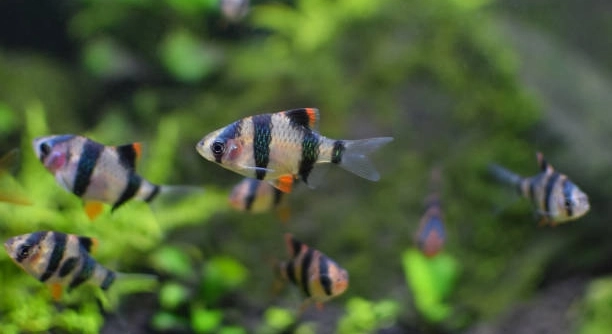
Tiger Barbs are popular aquarium fish admired for their bright colors and active nature. However, many owners notice their fins curling, which can be concerning. Understanding why this happens helps keep these fish healthy and thriving in home tanks.
Curling fins in Tiger Barbs are often caused by poor water quality, bacterial infections, fin rot, or physical damage. Stress factors and improper tank conditions also contribute to the deterioration of fin health and appearance.
Knowing the causes of fin curling allows fishkeepers to take proper steps to improve care and prevent further damage to their Tiger Barbs.
Common Causes of Fin Curling in Tiger Barbs
Tiger Barb fins can curl for several reasons, mostly linked to their environment and health. One of the main causes is poor water quality. When ammonia, nitrite, or nitrate levels rise, it creates a stressful environment that damages delicate fin tissues. Bacterial and fungal infections also play a significant role, especially if the fins develop rot. Physical injury from sharp tank decorations or aggressive tank mates can tear or curl fins as well. Stress from overcrowding or sudden changes in water temperature and chemistry can weaken the fish’s immune system, making fin damage more likely. Proper tank maintenance and observation are essential to prevent these issues.
Fin curling is rarely caused by a single factor; usually, multiple conditions interact to harm the fish’s fins.
Maintaining stable water parameters and a calm environment supports fin health. Regular tank cleaning, avoiding overcrowding, and monitoring fish behavior are key steps. Early detection of infections or injury allows for prompt treatment, preventing further fin damage and promoting recovery.
Water Quality and Its Impact
Water quality directly affects Tiger Barb health. Poor water conditions often lead to fin problems.
Ammonia, nitrite, and nitrate are harmful when they accumulate. Ammonia and nitrite are toxic even at low levels and can cause stress and tissue damage. Nitrate, while less toxic, becomes dangerous in high concentrations. Improper filtration, infrequent water changes, or overfeeding often cause poor water quality. Testing water regularly and performing partial water changes help maintain safe levels. Balanced water conditions reduce stress and support the fish’s immune system, making it less prone to infections and fin curling.
A well-maintained tank with stable water parameters is the best defense against fin problems in Tiger Barbs. This requires routine testing, cleaning, and avoiding overcrowding, all of which contribute to healthier fish with strong, intact fins.
Signs of Fin Rot in Tiger Barbs
Fin rot causes Tiger Barb fins to appear ragged and frayed. The edges may turn white or dark, and the fins often curl inward.
This condition is caused by bacterial infections, often developing when water quality is poor or fish are stressed. It starts with small tears or damage that allow bacteria to invade. If untreated, fin rot worsens and can lead to serious health problems. Recognizing early signs like discoloration and fin curling is crucial for timely treatment. Antibiotics and improved water conditions typically help reverse the damage. Preventing fin rot involves maintaining clean water and reducing stressors.
Physical injury to the fins can also invite bacterial infections. Avoiding sharp decorations and keeping compatible tank mates reduces risk. Regular observation ensures any fin damage is noticed early, preventing the infection from taking hold.
Stress Factors Affecting Fin Health
Stress weakens Tiger Barbs and makes them vulnerable to fin curling and infections. Overcrowding, sudden changes in water conditions, and aggressive tank mates are common stress sources. Stress lowers immune response, increasing susceptibility to fin rot and other illnesses. Keeping the tank stable and peaceful supports fin health.
Consistent water temperature and chemistry are vital. Sudden fluctuations shock fish and contribute to fin damage. Providing hiding spots and avoiding overcrowding reduces stress. Observing fish behavior regularly helps identify signs of stress before fin problems develop. Managing tank conditions with care promotes stronger immune systems and healthier fins in Tiger Barbs.
Physical Damage to Fins
Physical damage can cause Tiger Barb fins to curl or tear. Sharp tank decorations and aggressive tank mates often cause this damage.
Preventing physical injury requires careful selection of tank mates and smooth decorations. This reduces the risk of torn or curling fins and helps maintain overall fin health.
Treating Fin Curling
Treating fin curling depends on the cause. Improving water quality is the first step, followed by treating infections with appropriate medications. Isolation of affected fish may be necessary to prevent spread. Stress reduction also plays a key role in recovery.
Nutrition and Fin Health
A balanced diet rich in vitamins and minerals supports strong fin growth and repair.
FAQ
What causes Tiger Barb fins to curl?
Tiger Barb fins curl mainly due to poor water quality, bacterial infections like fin rot, physical injuries, and stress. Each factor damages the delicate fin tissue, causing it to fray or curl. Sometimes several of these causes occur together, making the problem worse.
How can I improve water quality to prevent fin curling?
Regular water changes, proper filtration, and avoiding overfeeding are essential. Test the water frequently to keep ammonia, nitrite, and nitrate levels low. Stable temperature and pH also help maintain a healthy environment that supports fin health.
Can fin curling heal on its own?
If the cause is minor and water conditions improve quickly, fins may heal naturally. However, infections or ongoing stress require treatment. Ignoring the problem usually leads to worsening fin damage and health risks.
What treatments are effective for fin rot?
Antibacterial medications designed for aquarium use work well. Clean water and isolating infected fish help stop the spread. Treatment should continue until all signs of fin damage disappear.
Are aggressive tank mates responsible for fin curling?
Yes. Aggressive or overly active fish can nip or injure Tiger Barb fins. Choosing compatible tank mates and providing enough space minimizes this risk.
Does stress really affect fin health?
Stress weakens fish immune systems, making them more prone to infections and fin damage. Overcrowding, sudden water changes, and lack of hiding spots cause stress that can lead to curling fins.
How can I reduce stress for Tiger Barbs?
Keep the tank stable, avoid overcrowding, and add plants or decorations for hiding spots. Regular feeding and gentle handling also reduce stress.
Is diet important for preventing fin problems?
A nutritious diet supports immune health and tissue repair. Feed high-quality flakes, pellets, and occasional live or frozen foods to provide necessary vitamins and minerals.
What signs show fin curling is due to infection?
Look for ragged edges, discoloration (white or dark), and frayed fins. Infections often follow injury or poor water conditions and may be accompanied by lethargy or loss of appetite.
How quickly should I act if I notice curling fins?
Immediate action is best. Test water quality, improve conditions, and start treatment if infection is suspected. Delaying increases the chance of permanent damage.
Can fin curling indicate other diseases?
Yes. Curling fins can sometimes signal internal issues or parasites. Watch for additional symptoms like unusual swimming or spots on the body, and consult a vet if needed.
Should I quarantine new fish to protect fin health?
Quarantining new fish reduces disease risk and helps prevent infections that cause fin damage. A quarantine period of two weeks is standard before adding fish to the main tank.
What role does tank decoration play in fin health?
Sharp or rough decorations can tear fins, leading to curling and infections. Use smooth, rounded ornaments and avoid overcrowding the tank to keep fins safe.
Is water temperature important for fin curling?
Yes. Sudden temperature changes stress fish and can weaken fins. Keep temperature stable, usually between 74-79°F (23-26°C) for Tiger Barbs, to promote healthy fins.
Can I use home remedies for fin curling?
Home remedies are often ineffective and can harm fish if used incorrectly. It’s best to rely on proper tank care and approved treatments recommended for fin rot and infections.
How often should I check my Tiger Barbs for fin problems?
Regular daily or weekly observation helps catch early signs of fin curling or damage. Early detection allows for faster treatment and better outcomes.
Are Tiger Barbs prone to fin curling more than other fish?
They are moderately prone because of their active nature and sometimes aggressive behavior. Proper care, tank setup, and monitoring reduce the risk.
Does overcrowding increase fin curling?
Overcrowding raises stress and aggression levels, leading to injuries and infections that cause fins to curl. Keeping appropriate numbers in the tank is essential.
What is the best way to maintain fin health long-term?
Maintain stable water quality, provide a balanced diet, avoid aggressive tank mates, and reduce stress with proper tank conditions. Regular monitoring and prompt action at the first sign of problems help keep fins healthy.
Can fin curling cause permanent damage?
If untreated, fin curling can lead to permanent fin loss or deformity. Early treatment and care usually restore fins, but severe damage may not fully heal.
Is it safe to keep fish with curled fins in the same tank?
If fin curling is due to infection, isolate affected fish to prevent spread. If caused by injury or mild stress, they can remain with others, but monitor closely for worsening symptoms.
Tiger Barb fin curling is a common issue that many fish owners face. It usually happens because of poor water conditions, infections, injuries, or stress. Understanding these causes is important to help prevent the problem and keep your fish healthy. When fins start curling, it is often a sign that something is wrong in the tank environment. Keeping the water clean and stable is the first step to avoid fin damage. Regular water tests and changes help keep harmful chemicals at safe levels. Avoiding overcrowding and choosing peaceful tank mates can reduce stress and physical harm to your fish.
Treating fin curling requires patience and care. Improving water quality and reducing stress are key actions. If an infection is present, using the right medication is necessary to stop it from spreading. Isolating affected fish can protect others from catching the infection. Injuries from rough tank decorations or aggressive fish should be avoided by selecting smooth items and compatible tank mates. Feeding a balanced diet rich in nutrients supports fin repair and overall fish health. Paying close attention to your Tiger Barbs daily allows early detection of fin problems, increasing the chances of a quick recovery.
Long-term fin health depends on consistent tank maintenance and good care habits. Stable water temperature and chemistry help keep your fish comfortable and strong. Providing hiding spots in the tank lowers stress and encourages natural behavior. Avoid sudden changes in the tank environment, as these can shock the fish and weaken their immune systems. Regular observation and quick response to any signs of fin damage can prevent serious health issues. With the right care, your Tiger Barbs can have healthy, beautiful fins and live active, happy lives in your aquarium.

Hello,
If you enjoy the content that we create, please consider saying a "Thank You!" by leaving a tip.
Every little bit helps us continue crafting quality advice that supports the health, happiness, and well-being of pets around the world, for pets of all shapes, sizes, and species.
We really appreciate the kindness and support that you show us!