
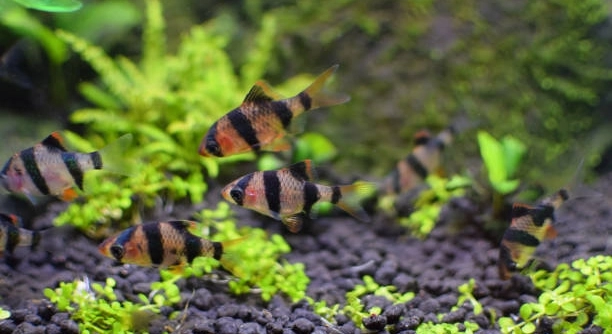
Are your Tiger Barbs looking dull or less vibrant than usual, leaving you worried about their overall health and well-being?
The most common causes of faded color in Tiger Barbs include stress, poor water quality, inadequate diet, illness, aging, environmental changes, and lack of proper lighting. Each of these factors can significantly impact their appearance and vitality.
Recognizing these causes can help you make better choices for your fish’s care, creating a healthier and more colorful aquatic environment.
Stress and Aggression in the Tank
Tiger Barbs are active and social, but they can also be aggressive, especially when kept in small groups or with incompatible tank mates. This behavior often leads to stress, which is one of the main reasons their colors begin to fade. When stressed, Tiger Barbs release hormones that affect their pigmentation and overall health. Fin nipping, chasing, and constant competition for food or space can overwhelm them, causing their bright stripes to dull. Creating a balanced social environment by keeping at least six Tiger Barbs together helps reduce tension. Tank mates should be chosen carefully, avoiding slow or long-finned fish. A calm tank with proper group dynamics promotes confidence, which reflects in their vibrant coloring. Additionally, a stable routine—consistent feeding, lighting, and cleaning—can help reduce stress. Observing their behavior closely is important to catch early signs of aggression before it impacts their appearance or overall health.
A stressed Tiger Barb often hides, eats less, or swims erratically. These are early signs worth noticing.
Maintaining the right group size and tank environment keeps their social energy positive. A peaceful tank prevents constant fear or fights, helping them stay active and colorful. Careful planning in their setup can prevent long-term stress-related fading.
Poor Water Quality
Dirty water can harm Tiger Barbs quickly. Ammonia spikes, low oxygen, or incorrect pH levels make it hard for them to stay healthy. This often leads to dull, faded colors.
Regular water changes are essential for vibrant Tiger Barbs. Poor water conditions cause a buildup of harmful substances like ammonia and nitrites, which put the fish under constant physical stress. This stress disrupts blood circulation and pigment cell function, leading to a loss of color. It also weakens their immune system, making them more prone to disease. Testing your tank water weekly helps you catch issues early. Keep ammonia and nitrites at zero, and aim for a neutral pH between 6.5 and 7.5. Also, ensure your filter is the right size and cleaned monthly, without replacing all filter media at once. Overfeeding can also foul the water, so feed only what they can eat in two minutes. Clean substrate and remove uneaten food to prevent waste buildup. Good water means healthier, brighter fish.
Inadequate Diet
A poor diet can cause Tiger Barbs to lose their vibrant coloring. Without proper nutrition, their pigment cells don’t function as they should, making their stripes look dull or washed out over time.
Feeding high-quality flake or pellet food alone is not enough. Tiger Barbs need a varied diet that includes protein-rich foods like brine shrimp, bloodworms, and daphnia, along with spirulina or other plant-based options. These boost color naturally by supporting pigment cell health. It’s important to feed small portions twice a day rather than one large meal. Overfeeding leads to waste buildup and poor water quality, which also affects their appearance. If possible, offer frozen or live foods a few times a week. This not only improves their coloring but also stimulates natural hunting behavior, keeping them active and engaged. A balanced and colorful diet is key to maintaining the bright, bold look they are known for.
Skipping variety in meals weakens their immune system over time. Lack of specific nutrients like carotenoids and spirulina reduces pigment intensity and overall energy. When Tiger Barbs eat the same thing every day, their bodies don’t get the building blocks needed to support healthy skin and scale function. They may also begin to lose interest in food altogether, leading to weight loss and further fading. A proper rotation of food ensures they stay healthy and vibrant. It’s a simple fix that makes a big difference. With just a few small changes in feeding habits, you’ll often notice their colors coming back within weeks. Consistency and variety are both important.
Illness and Parasites
When Tiger Barbs are sick or carrying parasites, their colors fade as the body focuses on fighting infection. Common signs include clamped fins, white spots, or changes in swimming behavior that often show up before the fading becomes noticeable.
Internal parasites or bacterial infections also drain their energy and affect appetite. Left untreated, these issues can cause long-term damage to their appearance and health. Quarantining new fish, keeping the tank clean, and using medication when needed helps prevent these problems.
Aging
As Tiger Barbs age, their colors naturally lose intensity. This fading is gradual and often begins after the second or third year of life. While you can’t stop the aging process, proper care slows visible changes. A healthy older fish may still show soft, muted color without signs of stress or illness.
Inconsistent Lighting
Lighting that’s too dim or left on for too many hours can affect their color patterns. Balanced lighting for 8–10 hours daily helps maintain natural pigmentation. Avoid sudden changes in lighting that can confuse or stress the fish.
FAQ
Why are my Tiger Barbs losing color only at certain times of day?
Tiger Barbs often lose color temporarily during nighttime or early in the morning. This is normal and usually happens when they are resting or have just woken up. Like many fish, their pigmentation dulls slightly when they’re not active. As the tank lights come on and they begin swimming, their color often returns. However, if fading continues throughout the day, it could be a sign of stress or another issue like poor water quality, illness, or poor nutrition. Observing them at different times can help determine if the fading is momentary or persistent.
Can tank size affect their color?
Yes, a tank that is too small can increase stress and limit their ability to swim freely, both of which impact their color. Tiger Barbs are active fish and need space to move in groups. A small tank often leads to aggression, territorial disputes, and higher waste buildup. For a proper group, a tank size of at least 20 to 30 gallons is recommended. This provides room for schooling and keeps aggression lower. A larger space also helps maintain stable water conditions. When fish feel cramped, they are more likely to lose their brightness and energy.
Is color loss always linked to health issues?
Not always. While illness is one possible cause, color loss can also be related to harmless changes such as aging or environmental lighting. However, if fading is sudden or paired with signs like poor appetite, lethargy, or unusual spots, it’s worth looking into. Even small things like a recent water change or rearranging the tank can temporarily affect color. What matters most is how long the color loss lasts and whether other symptoms follow. Long-term fading is often linked to care issues that need to be addressed for the fish to recover their color and health.
Do Tiger Barbs get stressed from being alone?
Yes, Tiger Barbs are social and should never be kept alone. When kept in groups smaller than six, they often become aggressive, shy, or stressed. Isolation leads to color loss, poor appetite, and erratic behavior. In contrast, when kept in a proper group, they show confident behavior and more vibrant coloring. It’s important to provide them with a community where they can interact safely. Even in a group, if one fish is being singled out or bullied, it might show signs of fading. Always monitor group dynamics and add more Barbs if needed to create balance.
Can lighting color or intensity change how they look?
Yes, the type of lighting you use affects how their colors appear. Bright, full-spectrum lighting helps highlight their natural stripes and shimmer. Dim or yellow-toned lights can make them look duller than they actually are. While good lighting won’t fix health problems, it does make healthy fish look their best. Use a light with a timer set to run 8 to 10 hours per day. Too much light can cause algae growth and stress, while too little can affect their biological rhythms. Proper lighting supports their natural colors and daily activity cycles.
Will changing their diet help faded fish regain color?
A better diet can make a noticeable difference. Foods rich in natural color-enhancing nutrients like spirulina, krill, and carotenoids support pigment cell health. Live or frozen foods offer a protein boost that also improves energy and immune strength. If your Tiger Barbs have been eating only basic flakes or pellets, adding variety is often enough to bring color back within a few weeks. Feeding small, balanced meals consistently helps more than giving large amounts occasionally. A good mix of protein and plant-based ingredients keeps them healthy inside and out.
How long does it take for color to return after fixing the cause?
Recovery time depends on the cause and how quickly it’s corrected. If the fading is from stress or water conditions, you may start seeing improvement in a few days after changes are made. In the case of poor diet, visible results usually take a couple of weeks. Illness-related fading takes longer, and full color may not return until the fish is fully healed. Consistency matters. Keeping the tank stable, feeding well, and monitoring their behavior all help them recover faster. Sudden changes won’t help—slow, steady improvements are more effective in bringing back natural color.
Final Thoughts
Tiger Barbs are known for their bright, bold stripes and lively behavior. When their colors begin to fade, it’s often a sign that something in their environment or care routine needs attention. This change can be caused by many different factors, such as stress, water quality, diet, illness, aging, or poor lighting. Sometimes it’s a combination of more than one issue. The good news is that with the right care and attention, many of these causes can be fixed. A few small changes in how you manage their tank and feeding routine can make a noticeable difference in how they look and feel.
Keeping Tiger Barbs colorful means creating a stable, healthy environment for them to thrive in. Regular water changes, a balanced diet, proper tank size, and consistent lighting all play important roles. Watching their behavior closely helps you notice problems early. If they start hiding, eating less, or swimming differently, these signs can warn you before their color fades too much. Group dynamics are just as important—keeping them in a group of six or more helps reduce stress and promotes social behavior. When they feel secure, their colors are more likely to stay vibrant and their activity levels remain high.
Caring for Tiger Barbs doesn’t have to be complicated, but it does require consistency. Routine checks, good food, and a clean tank are often all it takes to support their health and maintain their bold patterns. If color loss does occur, try not to panic. Take it as a signal to review the basics and make small improvements where needed. With time and attention, you’ll usually see their colors return, often brighter than before. Paying attention to these details not only keeps them looking their best but also supports their overall health and well-being. A healthy Tiger Barb is active, alert, and colorful—proof that even simple care can go a long way.

Hello,
If you enjoy the content that we create, please consider saying a "Thank You!" by leaving a tip.
Every little bit helps us continue crafting quality advice that supports the health, happiness, and well-being of pets around the world, for pets of all shapes, sizes, and species.
We really appreciate the kindness and support that you show us!