
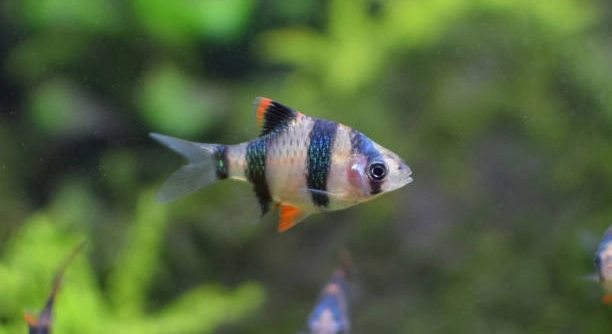
Tiger barbs are popular aquarium fish known for their bright colors and lively behavior. Many fishkeepers enjoy their presence but often wonder about their temperament. Understanding if tiger barbs are peaceful is important for a harmonious tank environment.
Tiger barbs can display both peaceful and aggressive behaviors depending on their environment, tank size, and social grouping. Assessing their body language, interaction with other fish, and stress signs helps determine their peacefulness accurately.
Learning how to recognize these signs can improve your aquarium’s balance. This guide offers clear ways to identify when tiger barbs are calm and compatible with other fish.
Observing Tiger Barb Behavior
Tiger barbs often show their mood through their actions. When they swim calmly and stick close to the middle or bottom of the tank, it usually means they feel safe and relaxed. Peaceful tiger barbs tend to interact gently with other fish and avoid constant chasing or nipping. Watching for sudden darting movements or aggressive chasing is important, as these behaviors indicate stress or agitation. A balanced group of tiger barbs, ideally five or more, helps reduce aggression because they focus on each other instead of other tank mates. Overcrowding or keeping too few tiger barbs can cause tension and territorial disputes, leading to aggressive behavior. Feeding times can also reveal their mood; peaceful tiger barbs eat without fighting over food. Regularly observing these small details will help you understand if your tiger barbs are peaceful or if adjustments are needed to improve their environment.
Aggressive chasing and fin nipping often signal unrest.
Consistent observation of tiger barb behavior allows early detection of issues. Keeping them in an adequately sized tank with companions minimizes stress and encourages peaceful interactions. Adjusting tank conditions based on these signs supports a healthier, calmer aquatic environment for all fish.
Tank Conditions Affecting Temperament
The size and setup of the tank play a crucial role in tiger barbs’ behavior. A cramped tank with limited hiding spots can increase stress and provoke aggression. Providing plenty of plants, decorations, and open swimming space helps reduce conflicts. Water quality also affects mood; poor conditions make fish irritable. Regular water changes and proper filtration maintain a stable environment. Temperature and pH should be within the recommended range for tiger barbs to prevent discomfort. Keeping consistent lighting with a natural day-night cycle supports normal behavior. Additionally, avoiding sudden changes in the tank setup helps keep the fish calm. Monitoring tank parameters and ensuring a well-planned environment contributes significantly to peaceful tiger barbs.
Maintaining ideal tank conditions is essential for calm behavior in tiger barbs.
Tank size, water quality, and decorations influence stress levels and aggression in tiger barbs. A spacious tank with hiding places and stable water conditions creates a comfortable habitat. Proper care and environment management reduce tension, allowing tiger barbs to coexist peacefully with other fish. Regular maintenance and thoughtful setup encourage calm behavior, helping the fish thrive in a balanced community. Understanding these factors helps keep your aquarium peaceful and your tiger barbs healthy.
Social Grouping and Compatibility
Tiger barbs do best in groups of at least five. Smaller groups can lead to increased aggression, as the fish may focus their attention on tank mates rather than each other. Keeping them in larger schools spreads out any aggressive behavior.
When tiger barbs are in a proper-sized group, they establish a social order that reduces stress and aggressive encounters. They tend to nip fins less when surrounded by their own kind. Mixing tiger barbs with peaceful species requires caution, as some fish may be targets for their fin-nipping habits. Observing interactions closely helps determine compatibility. Proper social grouping encourages a calmer, more balanced tank atmosphere.
Compatibility depends on choosing tank mates that can handle the tiger barbs’ energy and occasional nipping. Avoid slow-moving or long-finned species to reduce conflict. Grouping tiger barbs correctly ensures they focus on each other, limiting stress on other fish and promoting overall peace in the aquarium.
Feeding Habits and Aggression
Aggression can spike during feeding times if food is scarce or unevenly distributed. Feeding tiger barbs small amounts multiple times a day helps reduce competition. Using a feeding ring or spreading food over a wider area allows all fish to eat without fighting.
Unequal access to food can cause dominant tiger barbs to bully weaker ones. This behavior may appear as chasing or nipping during meals. Monitoring feeding ensures everyone gets enough and reduces tension. Offering a varied diet with flakes, pellets, and occasional live or frozen food supports health and lessens stress-related aggression. Feeding routines influence social harmony and overall temperament in tiger barbs. Maintaining consistent feeding practices supports a peaceful tank environment.
Signs of Stress in Tiger Barbs
Stressed tiger barbs often hide more than usual or swim erratically. Loss of color and clamped fins are clear signs that they are uncomfortable. Recognizing stress early helps prevent aggressive behavior.
Stress can lead to health problems and increased aggression. Keeping the tank stable and providing hiding spots helps reduce stress.
Body Language Indicators
Calm tiger barbs swim smoothly with relaxed fins. When aggressive, they flare their fins and dart suddenly. Tail flicks and chasing also indicate tension. Observing these signals can help maintain peace.
Impact of Tank Mates
Choosing compatible tank mates is crucial. Fast, active fish are better suited to live with tiger barbs. Slow or long-finned fish may become targets of nipping and stress.
Role of Tank Maintenance
Regular water changes and cleaning keep the tank healthy. Poor maintenance raises stress and aggression levels in tiger barbs, disrupting peace.
Are tiger barbs aggressive by nature?
Tiger barbs have a reputation for being semi-aggressive. Their natural behavior includes chasing and nipping, especially during feeding or when establishing social order. However, aggression varies depending on tank conditions, group size, and tank mates. In a well-maintained tank with enough companions, their aggression is often limited to playful chasing within their group.
How many tiger barbs should be kept together?
Keeping tiger barbs in groups of at least five is recommended. Smaller groups tend to cause more aggression because the fish focus their attention on fewer individuals. Larger groups distribute aggressive behavior and create a social hierarchy, reducing stress and fin-nipping on other fish in the tank.
Can tiger barbs live peacefully with other fish?
Tiger barbs can coexist with other fish if the tank mates are chosen carefully. Fast, robust species that can handle occasional fin-nipping are better suited to live alongside tiger barbs. Slow-moving, long-finned, or shy fish often become targets, which increases stress and aggression in the tank.
What are the signs of aggressive behavior in tiger barbs?
Common signs include chasing, frequent fin-nipping, flaring fins, and darting movements. Aggressive tiger barbs may also isolate more passive fish, forcing them to hide. Observing these signs early allows for changes to tank setup or social grouping to reduce tension.
How does tank size affect tiger barb behavior?
A tank that is too small can increase stress and aggressive behavior. Tiger barbs need enough space to swim freely and establish territories within their group. Providing at least 20 gallons for a small group helps reduce overcrowding and allows natural social structures to develop peacefully.
Does feeding affect their aggression levels?
Yes, feeding can impact aggression. During feeding, competition for food can cause chasing and fin-nipping. Offering small amounts of food multiple times a day and spreading food evenly helps reduce competition. A varied diet also supports their health and keeps stress levels down.
What tank conditions help keep tiger barbs calm?
Stable water parameters, adequate hiding spots, and proper lighting contribute to calm behavior. Regular water changes and good filtration maintain water quality, preventing stress. A balanced environment reduces triggers for aggression and helps tiger barbs display peaceful behavior more consistently.
Can stress cause aggressive behavior in tiger barbs?
Stress is a major factor that can increase aggression. Stressors include poor water quality, overcrowding, incompatible tank mates, and sudden changes in the tank. Signs of stress include hiding, loss of color, and clamped fins. Reducing stressors improves overall behavior and health.
How to manage aggression if it becomes a problem?
If aggression rises, try increasing the group size, rearranging tank decorations to break sight lines, or adding more hiding spots. In some cases, separating overly aggressive individuals might be necessary. Monitoring and adjusting tank conditions regularly helps keep aggression in check.
Is it normal for tiger barbs to nip fins?
Yes, fin-nipping is a common behavior, especially in smaller groups or crowded tanks. While some fin-nipping is normal, excessive nipping can harm other fish. Maintaining proper group size and providing distractions like plants and decorations help minimize this behavior.
How do tiger barbs communicate their mood?
Tiger barbs use body language such as fin position, swimming speed, and chasing to communicate. Relaxed fish swim calmly with fins close to the body, while stressed or aggressive fish flare fins, dart suddenly, or chase others. Reading these signs helps in managing tank harmony.
Are there signs that indicate tiger barbs are peaceful?
Peaceful tiger barbs swim together calmly, show no excessive chasing or fin-nipping, and share space with other fish without stress. They eat calmly during feeding and maintain bright colors. These behaviors indicate a balanced and peaceful tank environment.
Tiger barbs are lively and colorful fish that can bring energy to a home aquarium. Their behavior can sometimes seem aggressive, but with the right care, they often show peaceful traits. Understanding their natural habits and needs is key to creating a calm and balanced tank. Watching their interactions, keeping them in groups, and maintaining good tank conditions help reduce aggressive behavior and encourage harmony among fish.
Maintaining proper tank size, water quality, and a varied diet supports the overall health and temperament of tiger barbs. These fish do best in schools of five or more, which helps spread out any aggressive tendencies. Providing plenty of hiding spots and decorations allows them to feel secure, reducing stress that often leads to fin-nipping or chasing. Selecting compatible tank mates that can handle their energy level also plays an important role in minimizing conflicts. Regular observation and care can prevent most behavioral problems and promote peaceful coexistence.
Patience and attention are important when keeping tiger barbs. Behavior changes may occur due to stress or environment, so adjusting conditions as needed ensures a healthy community. Learning to read their body language and signs of stress or aggression can guide tank management decisions. With consistent care, tiger barbs can thrive and display peaceful behavior, making them a rewarding addition to an aquarium.

Hello,
If you enjoy the content that we create, please consider saying a "Thank You!" by leaving a tip.
Every little bit helps us continue crafting quality advice that supports the health, happiness, and well-being of pets around the world, for pets of all shapes, sizes, and species.
We really appreciate the kindness and support that you show us!