
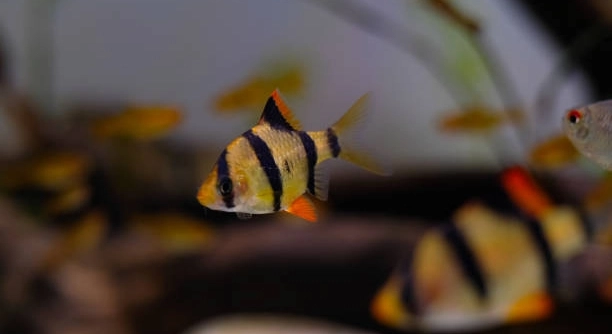
Tiger Barbs are popular aquarium fish known for their vibrant colors and active nature. Many fishkeepers notice these barbs tend to swim in the middle or upper parts of the tank rather than near the bottom. Understanding their behavior helps create a better environment for them.
Tiger Barbs tend to avoid the bottom of the tank primarily due to their natural swimming habits and preference for midwater zones. Their body shape, social behavior, and need to stay alert to predators influence them to swim higher rather than resting on the substrate.
Learning why Tiger Barbs avoid the tank bottom can help you improve their habitat and keep them healthy and comfortable. This knowledge supports better aquarium care practices overall.
Natural Swimming Habits of Tiger Barbs
Tiger Barbs naturally prefer swimming in the middle and upper levels of the aquarium. Their streamlined bodies are designed for active swimming rather than resting on the substrate. Being mid-level swimmers allows them to stay alert to their surroundings, spotting food or potential threats easily. The bottom of the tank often has less light and more hiding spots for other creatures, which Tiger Barbs tend to avoid. They are schooling fish that feel safer when they are together in open water. This behavior helps reduce stress and promotes their natural instincts. Because of this, they rarely linger near the tank floor unless searching for food or exploring briefly. Providing plenty of open swimming space in the middle and upper tank areas will keep them active and comfortable.
Tiger Barbs’ natural preference for mid-level swimming makes them less likely to spend time on the bottom of the tank. Their body shape and instincts support this behavior.
Recognizing these habits helps in setting up a tank that suits their needs. Offering areas to swim freely at various heights and adding plants or decorations at mid-level encourages natural activity. This creates a more engaging and healthy environment for Tiger Barbs.
Environmental Factors Affecting Bottom Activity
Water conditions and tank setup strongly influence where Tiger Barbs spend their time. If the bottom area is dark, cluttered, or has poor water quality, the fish will avoid it. Tiger Barbs prefer clean water with good circulation and moderate lighting. Uneven substrate or sharp decorations can also discourage bottom exploration. In tanks with aggressive tankmates or overcrowding, Tiger Barbs may avoid lower areas to escape threats or competition.
Proper tank maintenance and thoughtful decoration encourage balanced swimming behavior. Removing debris and avoiding sharp objects on the bottom make the area safer. Moderate lighting and well-placed plants provide shelter without blocking too much open space. By creating a welcoming environment, you support your Tiger Barbs’ natural tendencies while ensuring they feel secure throughout the tank. This balance is key to their well-being and happiness.
Social Behavior and Tank Dynamics
Tiger Barbs are schooling fish that feel more secure in groups of six or more. Their social structure influences where they swim and rest in the tank. When kept alone or in small numbers, they can become stressed and behave differently, including spending more time hiding near the bottom.
A well-sized group allows Tiger Barbs to display natural behaviors, including active swimming and chasing each other in mid to upper levels. Without a proper group, they may become timid and less active, often seeking shelter near the substrate. The presence of other fish species can also affect their behavior, especially if those fish are aggressive or territorial.
Maintaining a peaceful community tank with enough space and companions is key to keeping Tiger Barbs comfortable. This reduces stress and supports their typical swimming patterns, making them more lively and visible in the aquarium.
Feeding Habits and Bottom Activity
Tiger Barbs usually eat floating or mid-water foods but will occasionally search the bottom for leftover food. Their diet consists of flakes, pellets, and live or frozen foods like bloodworms. Feeding habits influence their swimming height and activity level.
When food settles on the substrate, Tiger Barbs may swim down briefly to eat, but they do not stay long at the bottom. Overfeeding can cause excess food to collect on the tank floor, which is unhealthy and can alter fish behavior. A balanced feeding routine prevents this buildup and encourages normal activity.
Providing a variety of food types at different levels stimulates natural foraging behavior. This also keeps Tiger Barbs energetic and supports their preference for midwater swimming, while occasional bottom feeding is part of their adaptive habits.
Tank Decorations and Their Impact
Sharp or rough decorations on the tank bottom can make Tiger Barbs avoid that area. They prefer smooth surfaces and plenty of open space for swimming. Plants and hiding spots placed higher in the tank encourage them to stay off the bottom.
Smooth gravel or sand is better for the substrate. It feels safer and allows occasional bottom foraging without risk of injury. Decorations should be arranged to create open swimming areas and vertical hiding spots to suit their active nature.
Lighting Effects on Behavior
Tiger Barbs respond to lighting levels in the tank. Bright, evenly distributed light encourages activity in the upper and middle zones. Dim or uneven lighting can cause them to seek darker areas near the bottom for safety.
Adjusting the light intensity and duration helps maintain natural behavior. A balanced lighting setup mimics their natural habitat and supports healthy swimming patterns.
Stress and Bottom Dwelling
Stress from overcrowding, poor water quality, or aggressive tankmates often causes Tiger Barbs to hide near the bottom. Reducing stress factors can help restore their normal swimming habits and comfort.
Water Quality Considerations
Maintaining clean water with proper filtration and regular changes supports Tiger Barbs’ health. Poor water quality can make them lethargic and keep them close to the tank floor.
Why do Tiger Barbs avoid the bottom of the tank?
Tiger Barbs prefer swimming in the middle and upper levels because these areas offer better visibility and more space to school. Their body shape and natural instincts make them more comfortable staying away from the substrate. The bottom often has less light and more hiding spots, which Tiger Barbs tend to avoid.
Can Tiger Barbs live comfortably without swimming near the bottom?
Yes, Tiger Barbs can thrive without spending much time on the tank floor. Their natural behavior is to stay active in open water where they feel safer and can interact with their group. Providing plenty of swimming space and hiding spots at different levels keeps them happy and healthy.
What kind of substrate is best for Tiger Barbs?
A smooth gravel or fine sand substrate is best. Rough or sharp materials can discourage bottom activity and may cause injury if the fish do swim near the substrate. Soft substrates also help when Tiger Barbs occasionally search for food on the tank floor.
Do Tiger Barbs need plants or decorations near the bottom?
While Tiger Barbs don’t often stay at the bottom, having some low-level plants or decorations can provide shelter and reduce stress. However, decorations should not overcrowd the tank floor or block swimming space, as Tiger Barbs need open areas to swim comfortably.
How does tank lighting affect Tiger Barb behavior?
Bright and evenly spread lighting encourages Tiger Barbs to swim actively in the upper and middle parts of the tank. Dim or uneven lighting might make them seek darker areas near the bottom for safety. Adjusting lighting to mimic natural conditions helps support their natural habits.
Can Tiger Barbs become stressed by tankmates?
Yes, aggressive or territorial tankmates can stress Tiger Barbs, causing them to hide near the bottom or stay less active. A peaceful community tank with compatible species helps reduce stress and promotes normal behavior.
How many Tiger Barbs should be kept together?
Keeping at least six Tiger Barbs is recommended. This allows them to school properly and feel secure. Smaller groups or solitary fish tend to become shy or stressed, often hiding or staying near the tank floor.
What feeding habits influence their swimming height?
Tiger Barbs mainly eat floating or mid-water foods, but they occasionally feed on leftovers at the bottom. Overfeeding can cause excess food to settle on the substrate, leading to poor water quality and unwanted bottom activity.
How often should the tank be cleaned to support Tiger Barbs?
Regular tank maintenance, including weekly water changes and substrate cleaning, keeps water quality high. Clean water encourages active swimming and reduces the chance that Tiger Barbs will hide near the bottom due to discomfort or stress.
Can poor water quality cause Tiger Barbs to stay at the bottom?
Yes, poor water quality often leads to lethargy and stress, making Tiger Barbs seek refuge near the tank floor. Good filtration, regular water changes, and monitoring water parameters help prevent this behavior.
Do Tiger Barbs need hiding spots?
Tiger Barbs do benefit from hiding spots placed at various heights. These provide security and reduce stress, but hiding places should not block too much swimming space. Open areas encourage their active swimming and schooling behavior.
Is it normal for Tiger Barbs to rest on the tank bottom sometimes?
It’s normal for Tiger Barbs to briefly rest or forage on the bottom occasionally. However, if they spend excessive time there, it could signal stress, illness, or poor tank conditions that need to be addressed.
What tank size is best for Tiger Barbs?
A tank of at least 30 gallons is recommended for a group of Tiger Barbs. This size provides enough room for schooling, swimming, and proper territory to reduce stress and avoid bottom hiding.
How do temperature and water parameters affect Tiger Barbs’ behavior?
Tiger Barbs prefer temperatures between 74–78°F and stable water conditions. Sudden changes or unsuitable water chemistry can stress them, causing them to hide or become less active near the bottom.
Can Tiger Barbs coexist with bottom dwellers?
Tiger Barbs generally coexist well with peaceful bottom-dwelling species. Providing enough space and hiding spots for both helps prevent conflict and encourages healthy behavior for all fish in the tank.
Tiger Barbs have natural habits that make them prefer swimming in the middle and upper parts of the aquarium rather than near the bottom. Their body shape and active nature support this preference. They feel safer and more comfortable in open water where they can move freely with their group. Understanding these natural behaviors helps fishkeepers provide the right environment. When their needs are met, Tiger Barbs show more lively and healthy behavior, which is important for their overall well-being.
The setup of the tank plays a big role in where Tiger Barbs spend their time. Smooth substrate and open swimming spaces encourage them to be active in mid and upper levels. Decorations and plants should be arranged so they do not block swimming paths or create too much clutter at the bottom. Proper lighting that is bright but not harsh helps Tiger Barbs feel secure. Clean water and good tank maintenance reduce stress and prevent behaviors like hiding near the substrate for long periods.
Social factors also influence their behavior. Tiger Barbs are schooling fish that thrive in groups of six or more. Smaller groups or aggressive tankmates can cause stress and lead them to hide more often. Feeding habits affect their movement, too; while they mostly eat in mid-water, they will come down briefly to pick up food on the bottom. Offering a balanced diet and avoiding overfeeding helps maintain water quality and encourages healthy activity. Keeping these factors in mind allows fishkeepers to create a comfortable, healthy space where Tiger Barbs can thrive and show their natural swimming patterns.

Hello,
If you enjoy the content that we create, please consider saying a "Thank You!" by leaving a tip.
Every little bit helps us continue crafting quality advice that supports the health, happiness, and well-being of pets around the world, for pets of all shapes, sizes, and species.
We really appreciate the kindness and support that you show us!