
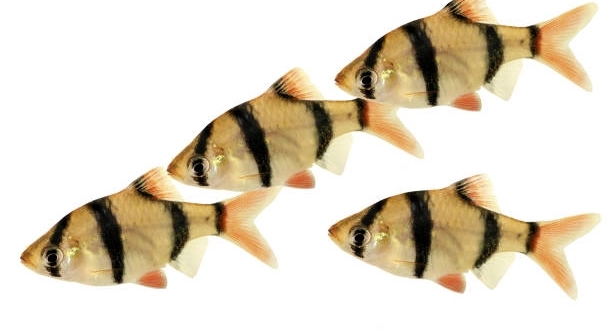
Tiger barbs are popular freshwater fish known for their bright colors and active behavior. Many aquarists wonder if these lively fish can safely share their tank with peaceful creatures like snails. Understanding their compatibility helps create a balanced aquatic environment.
Tiger barbs can be kept with snails, but caution is necessary. Tiger barbs are semi-aggressive and may nip at snail antennae or soft bodies, especially if underfed or stressed. Proper tank setup and feeding reduce risks to snails significantly.
Learning how to maintain harmony between tiger barbs and snails improves your tank’s health and enjoyment. This article explains key points to consider for a peaceful coexistence.
Behavior of Tiger Barbs Around Snails
Tiger barbs are naturally active and sometimes aggressive fish. They swim quickly and often chase each other, which can cause stress to slower tank mates. When kept with snails, tiger barbs may nip at the snails’ delicate antennae or soft parts, especially if the snails are small or if food is limited. However, this behavior is not constant. If the tank is large enough and has plenty of hiding places like plants or decorations, snails can avoid being bothered. Feeding tiger barbs regularly also reduces their interest in snails as potential targets. Observing their behavior closely in the first few weeks will help determine if the snails are safe. Some snail species, like mystery snails or nerite snails, have harder shells, which offer better protection from nibbling. It is important to choose snail species wisely and monitor interactions to maintain balance in the aquarium.
Tiger barbs’ tendency to nip can be managed with proper care and tank setup.
Snails benefit from hiding spots and hard shells. Feeding fish well reduces aggression toward them. Choosing resilient snail species also helps ensure peaceful tank life.
Tank Setup for Tiger Barbs and Snails
A well-organized tank is essential when housing tiger barbs with snails. A tank size of at least 20 gallons is recommended to provide enough space for all inhabitants to coexist without stress. Include plenty of live plants, rocks, and decorations to offer hiding spots for snails and to break line of sight between fish. This setup minimizes chasing and nibbling behaviors. Good water quality is important, as both tiger barbs and snails thrive in clean, well-filtered water with stable parameters. Regular partial water changes keep the environment healthy and reduce stress, which can lead to aggression. Lighting should suit both plants and snails but avoid overly bright settings, which may disturb shy snails. Finally, feeding should be consistent and balanced, using sinking pellets or flakes for fish and supplemental algae wafers or vegetables for snails. This supports both species’ nutritional needs and discourages competition.
Proper tank layout and care create a safer space for snails and tiger barbs.
Maintaining stable water and offering varied foods supports peaceful coexistence.
Tank design plays a critical role in reducing aggression and protecting snails. By planning hiding spots and ensuring ample room, you help your aquarium community thrive.
Feeding Tiger Barbs and Snails Together
Both tiger barbs and snails have different dietary needs that must be met. Tiger barbs are omnivores and enjoy flakes, pellets, and occasional live or frozen foods. Snails mostly eat algae, leftover food, and vegetables. Feeding both properly reduces stress and aggression.
To feed tiger barbs, provide a varied diet including high-quality flakes or pellets designed for tropical fish. Supplement with live or frozen foods like bloodworms or brine shrimp to keep them healthy and vibrant. For snails, offer algae wafers and fresh vegetables such as zucchini or spinach. These foods satisfy their dietary needs and keep their shells strong. Feeding both species separately or at different levels in the tank prevents competition and ensures everyone gets the right nutrition.
Uneaten food should be removed to maintain water quality. Overfeeding can harm both fish and snails by polluting the water. Regular feeding schedules and proper portion control keep the tank clean and the inhabitants healthy.
Choosing the Right Snail Species
Not all snails are ideal tank mates for tiger barbs. Hard-shelled species like mystery snails and nerite snails tend to resist nipping better than soft-bodied snails. They are more likely to thrive in a tank with active fish.
Mystery snails are popular due to their larger size and strong shells. Nerite snails are smaller but hardy and effective algae eaters. Both types contribute to keeping the tank clean by eating algae and debris. Avoid very small or delicate snails, which may become targets for tiger barbs. Choosing the right snail species helps maintain harmony and reduces stress on all tank inhabitants. Always research snail species before introducing them to your aquarium to ensure compatibility.
Signs of Stress in Snails
Snails showing signs of stress often retract into their shells and move very little. They may also have damaged or chipped shells from nibbling. These behaviors indicate they feel threatened or uncomfortable in the tank environment.
It’s important to watch for these signs early. Stress can lead to health issues or even death. Adjusting tank conditions or separating snails from aggressive fish can help reduce stress and improve their wellbeing.
Preventing Aggression in Mixed Tanks
Maintaining a peaceful tank with tiger barbs and snails requires effort. Provide plenty of hiding spots for snails and ensure fish are well-fed to reduce aggression. Regularly monitor interactions and be prepared to adjust the setup if needed.
Aggression can increase when fish feel overcrowded or underfed. A spacious tank with good hiding places and proper nutrition keeps both species calmer and safer.
Water Quality Importance
Good water quality is crucial for the health of both tiger barbs and snails. Keep the water clean through regular changes and proper filtration. This prevents stress and disease.
Clear water and stable parameters create a healthy environment for all tank inhabitants, supporting their longevity and well-being.
FAQ
Can tiger barbs kill snails?
Tiger barbs are unlikely to kill snails outright, but they may nip at their antennae or soft parts, causing stress or injury. Smaller or delicate snail species are more vulnerable. Providing enough hiding spots and feeding tiger barbs well reduces this behavior significantly.
What snail species are safest with tiger barbs?
Hard-shelled snails like mystery snails and nerite snails are the best choices. Their tough shells protect them from nipping. Avoid small or soft-bodied snails, as they may become easy targets for tiger barbs’ curious nips.
How many tiger barbs should be kept together?
It’s best to keep tiger barbs in groups of six or more. This reduces aggression by spreading it among themselves rather than targeting other tank inhabitants, like snails. Smaller groups may lead to more bullying behavior.
Do tiger barbs eat snails?
Tiger barbs do not typically eat snails as food. However, they may nip at them out of curiosity or boredom. Proper feeding and tank enrichment minimize this behavior. Ensuring snails have hard shells also helps prevent harm.
What tank size is recommended for tiger barbs and snails?
A minimum of 20 gallons is recommended for keeping tiger barbs with snails. This provides enough space for fish to swim freely and for snails to find hiding places, reducing stress and aggression.
How often should I feed tiger barbs and snails?
Feed tiger barbs once or twice a day with a balanced diet of flakes, pellets, and occasional live or frozen food. Snails should receive algae wafers or vegetables every other day. Avoid overfeeding to maintain water quality.
Can snails reproduce in a tank with tiger barbs?
Yes, many snails like mystery snails and nerite snails can reproduce in community tanks. However, tiger barbs may eat snail eggs or newly hatched snails, reducing their population. Proper tank care can help balance this.
What signs show snails are stressed?
Stress signs include snails retracting into their shells, moving very little, or having damaged shells. These indicate discomfort, possibly caused by fish aggression, poor water quality, or lack of hiding places.
How can I protect snails from tiger barb aggression?
Provide plenty of hiding spots like plants and decorations. Keep the tank well-fed and spacious. Choose hardy snail species and monitor fish behavior closely. If aggression persists, consider separating the snails temporarily.
Is it safe to keep other fish with tiger barbs and snails?
Tiger barbs can be semi-aggressive, so peaceful fish that are fast or large enough to avoid bullying are better companions. Avoid slow-moving or long-finned fish that may attract nipping alongside snails.
How important is water quality for snails and tiger barbs?
Water quality is crucial. Poor water leads to stress and disease for both species. Regular water changes, proper filtration, and stable water parameters support their health and reduce aggressive behavior.
Can snails help keep the tank clean?
Yes, many snails feed on algae and leftover food, helping maintain cleanliness. Nerite and mystery snails are especially useful for this. However, they are not a substitute for regular tank maintenance.
What should I do if tiger barbs keep attacking snails?
Increase hiding spots and ensure fish are well-fed. If attacks continue, consider separating the snails or moving fish to a larger tank. Changing tank mates may be necessary to ensure peaceful coexistence.
Do tiger barbs need any special care to live with snails?
Tiger barbs require a balanced diet, clean water, and plenty of space. Keeping them in groups reduces aggression. Providing enrichment like plants and decorations also helps keep their behavior in check when sharing a tank with snails.
Keeping tiger barbs with snails can work well if the right care and conditions are provided. Tiger barbs are naturally active and sometimes aggressive, so it’s important to manage their behavior to protect the snails. Providing a spacious tank with plenty of hiding places helps snails avoid unwanted attention. Feeding the tiger barbs regularly and with varied food reduces their urge to nip at snails. Choosing hardy snail species with strong shells further protects them from harm. These simple steps can create a balanced aquarium where both tiger barbs and snails coexist peacefully.
Tank setup plays a crucial role in the success of keeping tiger barbs with snails. A minimum tank size of 20 gallons is recommended to give all inhabitants enough space. Live plants, rocks, and decorations create hiding spots for snails and reduce aggressive chasing. Maintaining good water quality with regular changes and proper filtration is essential for the health of both fish and snails. Clean water helps reduce stress, which can lead to better behavior from tiger barbs. Paying attention to these details makes a noticeable difference in how well your aquatic community lives together.
Finally, it’s important to watch for signs of stress or injury in snails and adjust care as needed. If tiger barbs show aggressive behavior that cannot be managed, separating snails or fish may be necessary. Feeding both species properly and choosing compatible snail types helps keep the tank peaceful. Keeping a close eye on the tank environment and the interactions between species allows you to act early if problems arise. With thoughtful care, tiger barbs and snails can live together happily, making your aquarium a diverse and interesting place to enjoy.

Hello,
If you enjoy the content that we create, please consider saying a "Thank You!" by leaving a tip.
Every little bit helps us continue crafting quality advice that supports the health, happiness, and well-being of pets around the world, for pets of all shapes, sizes, and species.
We really appreciate the kindness and support that you show us!