
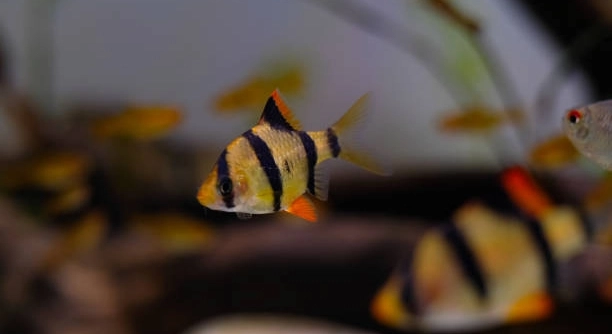
Tiger barbs are popular freshwater fish, but their aggressive behavior can cause problems in community tanks. They often target smaller, more vulnerable fry, leading to stress and injury among young fish. Managing their behavior is essential for a peaceful aquarium environment.
To stop tiger barbs from harassing fry, provide plenty of hiding spaces and separate the fry into a protected breeding box or tank. Reducing the tiger barbs’ aggression can be achieved by increasing tank size and maintaining good feeding practices to limit competition.
Protecting your fry ensures their healthy growth and reduces stress on all fish. The following tips will help create a safer space for your young fish.
Understanding Tiger Barb Behavior
Tiger barbs are naturally active and social fish, but they can become aggressive, especially toward smaller tank mates like fry. Their nipping behavior is often a display of dominance or competition for food and space. These fish swim in groups, which can increase their boldness and tendency to harass weaker fish. Recognizing their natural instincts helps in managing their actions effectively. Stress and overcrowding in the tank can worsen their aggression, making it harder for fry to survive. Providing enough space and maintaining a balanced environment reduces these risks. Observing how tiger barbs interact daily can give clues to potential problems before they escalate. Understanding their behavior is the first step to creating a safer habitat for all fish in the tank.
Aggression in tiger barbs mainly stems from their social nature and competition for resources.
Proper tank setup and careful monitoring are key to minimizing harassment of fry and promoting harmony.
Creating Safe Spaces for Fry
Separating fry from tiger barbs early on is essential to ensure their survival. Using breeding boxes or separate tanks offers fry protection during their most vulnerable stages. Hiding spots made from plants, rocks, or artificial decorations help reduce fry exposure to aggressive fish. These spaces allow fry to feed and grow without constant stress. Additionally, maintaining good water quality in these protected areas supports healthy development. When fry feel secure, they are less likely to hide continuously, which can help them grow stronger and more confident. Regular tank cleaning and feeding routines also reduce aggression by keeping tiger barbs occupied and less focused on the fry. Creating a safe environment requires some effort but leads to better results for all fish.
Separating fry and using natural hiding places create a safer environment.
Protection combined with proper care encourages fry to thrive despite the presence of tiger barbs.
Feeding Strategies to Reduce Aggression
Feeding tiger barbs frequently and with varied foods helps reduce their aggression toward fry. Well-fed fish are less likely to nip or chase smaller tank mates.
Offering high-quality flakes, pellets, and live or frozen foods satisfies their dietary needs. Feeding multiple times daily in small amounts prevents competition and stress. Using feeding rings or spreading food across the tank keeps all fish occupied, lowering territorial behavior. Ensuring fry receive appropriate food separately supports their growth while adult tiger barbs focus on their meals. Adjusting feeding schedules based on behavior can further reduce aggression. Consistent, balanced feeding routines contribute to a calmer tank environment and improve overall fish health.
Besides feeding frequency, the type of food affects tiger barbs’ behavior.
A balanced diet reduces competition and aggression, helping to protect vulnerable fry from harassment.
Tank Size and Environment
A larger tank provides more space for all fish, reducing crowding and aggressive interactions. Tiger barbs feel less threatened when they have room to swim freely, which lowers harassment of fry. A minimum of 30 gallons is recommended for keeping tiger barbs with fry safely. Incorporating live plants and decorations creates natural barriers and hiding spots, further easing tension. The layout should allow fry to escape easily and adult fish to establish their own territories without conflict. Proper filtration and regular water changes keep the environment healthy, preventing stress that could trigger aggression. Tank size and setup are critical factors for peaceful coexistence.
More space directly influences the behavior of tiger barbs in community tanks.
Providing a spacious, well-structured habitat improves safety for fry and reduces stress-related aggression.
Monitoring Behavior Regularly
Watching your tank daily helps catch aggressive behavior early. Identifying which tiger barbs are most aggressive can guide decisions on management or removal.
Adjusting tank conditions or separating overly aggressive fish prevents stress and harm to fry. Consistent observation is key to maintaining a peaceful environment.
Using Tank Dividers and Breeding Boxes
Tank dividers and breeding boxes create physical barriers between tiger barbs and fry. These tools offer fry safe spaces to grow without fear of harassment. They also allow controlled interaction when appropriate, helping fry adapt gradually to the community tank. Using these barriers can improve survival rates and reduce stress for all fish involved.
When to Consider Removing Tiger Barbs
If aggression continues despite changes, removing the most aggressive tiger barbs may be necessary. Prioritizing fry safety helps maintain a healthy tank balance.
FAQ
Why do tiger barbs harass fry?
Tiger barbs are naturally territorial and social fish. Their nipping behavior often comes from competition for food and space, as well as establishing dominance within the tank. Fry are smaller and more vulnerable, making them easy targets. Without enough space or hiding spots, this behavior can increase.
How can I protect fry without removing tiger barbs?
Creating safe zones with plenty of plants, decorations, or breeding boxes helps fry avoid aggressive adults. Separating fry during their most vulnerable stages is effective. Feeding tiger barbs regularly and in small amounts also reduces their urge to chase fry.
What tank size is best for keeping tiger barbs and fry together?
A tank of at least 30 gallons is recommended. Larger tanks reduce crowding and allow for natural territories to form. More space lowers stress and aggressive interactions, creating a safer environment for fry.
Can feeding tiger barbs more often reduce aggression?
Yes, feeding tiger barbs several small meals a day prevents competition and reduces aggression. Using varied, high-quality foods keeps them satisfied and less likely to target fry out of hunger or boredom.
Are there signs that aggression is harming the fry?
Look for torn fins, constant hiding, or lethargy among fry. Injuries or stress can stunt growth or lead to death. If aggression is severe, intervention such as separation or tank adjustments is needed.
When should I consider using tank dividers or breeding boxes?
Use dividers or breeding boxes as soon as fry appear to protect them from harassment. These barriers provide a safe, controlled environment, allowing fry to grow strong before joining the main tank.
Is it okay to remove the most aggressive tiger barbs?
If all other measures fail, removing the most aggressive individuals is the best way to protect fry and maintain tank harmony. Keeping a peaceful environment benefits all fish and promotes healthy growth.
Can environmental enrichment reduce tiger barb aggression?
Yes, adding plants, rocks, and decorations offers hiding spots and breaks line of sight between fish. This reduces territorial disputes and helps fry avoid aggressive encounters.
How often should I monitor the tank for aggression?
Daily observation is ideal. Early detection of aggression allows for timely intervention before fry get harmed. Adjusting conditions or separating fish quickly helps maintain peace.
What kind of food is best for fry when tiger barbs are present?
Provide small, easy-to-eat foods like infusoria, baby brine shrimp, or crushed flakes for fry. Feeding fry separately ensures they get enough nutrition without competing directly with adult tiger barbs.
Does increasing tank filtration help reduce aggression?
Improved filtration maintains water quality, which reduces stress on all fish. Stress can trigger aggression, so clean water helps keep behavior calmer and fry healthier.
How long should fry stay separated from tiger barbs?
Keep fry separated until they grow large enough to swim confidently and avoid harassment—usually several weeks. Gradual reintroduction helps them adapt safely to the community tank.
Can keeping more tiger barbs reduce bullying?
Keeping tiger barbs in groups of at least six can spread out aggression, as no single fish feels overly dominant. However, the tank must be large enough to support this number comfortably.
Are tiger barbs aggressive toward all small fish?
Tiger barbs tend to harass slow-moving or brightly colored small fish, especially fry. Fast or larger species are less likely to be targeted.
What is the best way to introduce fry back into the main tank?
Introduce fry gradually by removing barriers during feeding times or when they are large enough to evade attacks. Monitor interactions closely and separate if aggression returns.
Can water temperature affect aggression?
Higher temperatures can increase fish activity and aggression. Maintaining stable, moderate temperatures helps keep behavior calmer.
Is it necessary to have a backup tank for fry?
Having a separate nursery tank is highly beneficial. It offers a safe space for fry and reduces stress on the main tank’s community, improving survival rates.
How do I handle injured fry due to aggression?
Remove injured fry to a safe tank for recovery. Maintain clean water and provide proper nutrition. Injuries can lead to infections if untreated.
Do tiger barbs ever calm down as they mature?
Aggression may lessen as fish mature and establish stable social hierarchies. However, some individuals remain more aggressive, requiring management.
What plants are best for creating hiding spaces?
Dense, fast-growing plants like Java moss, hornwort, and floating plants provide excellent cover for fry. They offer protection and help reduce harassment.
Can adding more hiding spots eliminate aggression completely?
While hiding spots reduce aggressive encounters, they rarely eliminate aggression entirely. A combination of tank size, feeding, and separation is more effective.
Final thoughts on managing tiger barbs and protecting fry focus on balancing care, environment, and observation. Tiger barbs’ natural behavior means some level of aggression is expected, but it can be controlled with proper steps. Creating a safe space for fry by using hiding spots, breeding boxes, or separate tanks is crucial. This gives young fish room to grow without constant stress. At the same time, making sure tiger barbs are well-fed and comfortable helps reduce their urge to chase or nip at fry. Feeding several small meals a day with varied foods keeps them satisfied and less aggressive.
Tank size and setup play an important role in reducing harassment. Larger tanks give all fish enough space to swim and avoid each other, which lowers tension. Adding plants and decorations provides natural hiding spots and breaks lines of sight, further helping fry stay safe. Clean water and stable conditions also reduce stress for all fish, making aggression less likely. Watching the tank daily for any signs of bullying or injury is necessary to act quickly if problems arise. Removing or isolating overly aggressive tiger barbs might be needed if other methods do not work.
Keeping tiger barbs and fry together requires ongoing care and attention. It is not always simple, but with the right approach, a peaceful tank environment is possible. Protecting fry early on and maintaining good feeding habits benefit the whole aquarium community. Providing space, hiding places, and proper nutrition supports healthy growth for fry and calmer behavior in tiger barbs. Regular monitoring and adjustments help maintain balance and reduce stress. Overall, these practices contribute to a safer, more enjoyable aquarium for both fry and adult fish.

Hello,
If you enjoy the content that we create, please consider saying a "Thank You!" by leaving a tip.
Every little bit helps us continue crafting quality advice that supports the health, happiness, and well-being of pets around the world, for pets of all shapes, sizes, and species.
We really appreciate the kindness and support that you show us!