
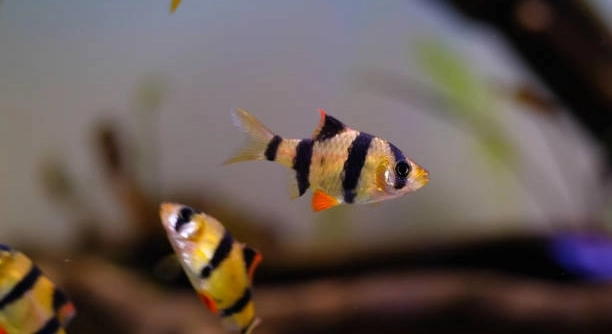
Have you ever found yourself second-guessing what’s safe to feed your tiger barbs during their daily meals and treats?
Feeding tiger barbs the wrong foods can cause digestive issues, poor health, and even death. Foods high in fat, plant-based proteins, or seasonings should always be avoided to keep them healthy and thriving.
Learning which items to avoid will help you create a safer, more balanced diet for your tiger barbs in the long run.
Bread and Other Baked Goods
Tiger barbs have small digestive systems that aren’t suited for processed human foods like bread. These items often contain sugar, salt, and yeast, which can cause bloating and internal issues. White bread and other soft baked goods may expand in the fish’s stomach, leading to constipation or swim bladder problems. Even whole grain options are too dense and unnatural for their needs. While it might seem harmless to toss in a small piece now and then, doing so over time can negatively impact their health. Tiger barbs thrive on a protein-rich diet made for their species, not on leftover human snacks. Sticking to foods that mimic their natural environment helps them stay active and colorful. Baked goods don’t belong in their tank and should be completely avoided, no matter how small the portion may be. Instead, focus on high-quality flake food, live or frozen treats, and balanced pellets.
Bread adds unnecessary carbohydrates and fillers. It can’t meet their dietary needs and might create long-term health concerns you can’t reverse.
Feeding tiger barbs processed foods like bread disrupts their digestion and adds nothing useful to their diet. Even occasional offerings can weaken their immune system and contribute to poor water quality in the tank. Stick with species-appropriate options.
Cheese and Dairy Products
Cheese and dairy can cause serious digestive trouble in tiger barbs.
Tiger barbs are not designed to digest lactose or other dairy components. Their digestive systems lack the enzymes needed to break down milk proteins and fats, which can lead to bloating and water pollution. Cheese, in particular, is high in salt and fat, which not only harms the fish but can also affect the water’s chemical balance. Uneaten dairy breaks down quickly, clouding the water and raising ammonia levels. Even if a fish appears to nibble on it, the long-term effects can be damaging. Dairy products also carry a risk of bacterial contamination, which may introduce harmful microbes into the tank. Clean water and a steady diet of properly formulated fish food are essential for tiger barb health. Avoid experimenting with cheese or dairy items—they provide no benefits and come with risks that outweigh any curiosity or convenience. Keeping their diet clean and targeted will support their long-term well-being.
Raw Meat
Raw meat isn’t safe for tiger barbs due to the high risk of contamination and its unsuitability for their digestive system. It can spoil quickly in water and may introduce harmful bacteria that impact both the fish and the tank environment.
Feeding raw chicken, beef, or other meats can lead to internal infections and water pollution. These meats contain fats and proteins that aren’t easily processed by freshwater fish like tiger barbs. While it might seem like a high-protein treat, raw meat is better suited for larger, carnivorous species. Tiger barbs need animal protein, but from safer sources like bloodworms, brine shrimp, and daphnia. Raw meat can also rot before being fully eaten, releasing toxins into the water. This leads to poor water quality and increases stress on the fish. Avoid offering raw meat completely—it creates more harm than good and doesn’t support their health.
Even small amounts of raw meat can disturb the balance of a well-maintained tank. It increases waste, stresses the filtration system, and can weaken the fish over time. Uneaten pieces settle into the gravel and encourage bacteria growth. Long-term exposure to poor-quality protein can dull colors, reduce lifespan, and lower immunity. Sticking to fish-safe foods helps prevent unnecessary health problems.
Peas and Other Starchy Vegetables
Tiger barbs aren’t well-equipped to digest starchy vegetables like peas, corn, and potatoes. These foods often swell in their stomachs, causing bloating and constipation. Although some fish tolerate small portions, tiger barbs benefit more from low-starch, protein-focused diets.
Many aquarium hobbyists assume peas are good for all fish, especially for digestive issues. While this might apply to herbivores or omnivores, tiger barbs are better off without starchy vegetables. Their diet should be built around insect-based proteins and aquatic plants. Starches aren’t part of their natural intake, and they lack the enzymes to digest them efficiently. Over time, starchy foods can slow their activity and reduce their energy levels. They may also pass partially digested, adding extra waste to the water. Peas may help with constipation in some species, but for tiger barbs, prevention through proper feeding is a safer approach. Stick to high-quality flakes, live foods, and protein-based pellets.
Citrus Fruits
Citrus fruits like oranges and lemons are too acidic for tiger barbs. The high acid content can irritate their digestive system and throw off the tank’s pH balance. Even a small piece can cause stress or discomfort.
These fruits also contain sugars that aren’t healthy for fish. Sugars can ferment in the water, creating cloudy conditions and promoting bacteria growth. Stick with safer vegetables or protein-based foods that won’t affect water quality or the fish’s health.
Processed Fish Food with Fillers
Many cheap commercial fish foods are packed with fillers like wheat, soy, and corn. These ingredients don’t offer real nutrition to tiger barbs and can build up in their digestive system, leading to bloating or reduced energy. Over time, fillers may cause the fish to appear sluggish, less colorful, and more prone to illness. These foods also create more waste, which means frequent cleaning and more ammonia in the tank. Always read the ingredient list when choosing fish food. Look for items where fish meal, krill, or spirulina are listed near the top. Quality foods keep tiger barbs active and vibrant.
Leftover Table Scraps
Feeding table scraps can seem convenient but leads to serious health issues for tiger barbs. Most human food is too salty, fatty, or processed for their small systems. It also breaks down quickly and pollutes the water.
FAQ
Can tiger barbs eat fruits at all?
Tiger barbs can eat certain fruits, but only in very small amounts and on rare occasions. Soft fruits like blanched zucchini or peeled cucumber are better options than sugary or acidic ones. Avoid citrus fruits completely, as their acidity can upset the tank’s pH and harm the fish. If offering fruit, always remove any uneaten pieces within a few minutes to avoid water contamination. Stick to high-protein fish foods and use fruit only as an occasional treat, not a regular part of their diet. Always research the specific fruit before feeding it to your tiger barbs.
Is it safe to feed tiger barbs homemade food?
It can be safe if the ingredients are chosen carefully. Homemade foods should focus on protein-rich items like shrimp, fish, or egg yolk, blended with a small amount of blanched vegetables. Avoid using oils, spices, dairy, or salt. If done properly, homemade food can be a good supplement to their regular diet. However, it’s easy to get the balance wrong, so be cautious. The food should be cut into tiny, manageable pieces and fed in moderation. Store leftovers in the freezer and only thaw what you plan to use. Clean up uneaten food right away to protect the water.
Why is my tiger barb bloated after eating peas?
Peas contain starch and fiber that tiger barbs have trouble digesting. When peas swell in the stomach, they can cause bloating and constipation. Many fishkeepers use peas for constipation relief, but this mainly applies to herbivorous species. Tiger barbs don’t benefit in the same way and are more likely to become uncomfortable or ill. If you suspect bloating, stop feeding them for a day and provide easily digestible protein like brine shrimp or daphnia. Also, check your tank’s water quality to rule out other stress factors. Peas are best avoided in their diet altogether.
How can I tell if the food I’m giving is too fatty or oily?
If your fish seem less active, have greasy-looking waste, or show signs of bloating, the food might be too fatty. Oily films on the water surface can also be a sign. Low-quality flakes and pellets often contain oils or fats that aren’t suitable for freshwater fish. Look at the ingredient list—if fish oil or animal fat is listed high, it’s probably too rich. Good fish food should list fish meal, krill, or spirulina near the top. Feeding fatty food too often can lead to liver problems, poor water quality, and shorter lifespans.
Can tiger barbs eat cooked vegetables?
Yes, in small amounts. Cooked or blanched vegetables like spinach, zucchini, or lettuce are easier for tiger barbs to digest than raw ones. Make sure the pieces are soft, clean, and cut small. Don’t add salt or seasoning. Vegetables should only be a small part of the diet, with most nutrition coming from protein-rich foods. Remove leftovers within a few minutes to prevent water issues. Cooked vegetables can help vary their meals, but they should never replace their main food sources. When fed correctly, these additions can support digestion and add some nutrients.
Is feeding meat-based foods like chicken ever okay?
No, it’s not recommended. Tiger barbs can’t properly digest mammal meat, and chicken is far too fatty. Raw or cooked, it’s still inappropriate. These meats can rot in the tank, introduce bacteria, and make the water unsafe. Stick to aquatic animal protein sources such as bloodworms, brine shrimp, and daphnia. These options mimic what tiger barbs would eat in the wild and help them stay healthy. Chicken and other meats may seem like protein-rich treats, but they’re harmful in the long term and should always be avoided in a balanced diet.
Final Thoughts
Feeding tiger barbs the right food is an important part of keeping them healthy. These active fish need a balanced diet that matches their natural habits. Avoiding the wrong foods is just as important as offering the right ones. Human foods like bread, cheese, and meat might seem harmless, but they can lead to bloating, illness, and water quality issues. Even small treats that don’t belong in their diet can create long-term problems. Sticking to species-appropriate food like high-quality flakes, live or frozen treats, and fish-safe vegetables helps them stay energetic, colorful, and strong.
It’s easy to assume that if a food is safe for other animals, it might be fine for fish. But tiger barbs have different needs. Their digestive systems are not built to handle things like dairy, starch, or fatty meat. These items can upset their stomachs and throw off the balance of their tank. Uneaten or poorly digested food leads to excess waste, and that can harm water quality. When the water becomes polluted, the fish become stressed and more likely to get sick. Being selective about what goes into the tank helps prevent these problems and supports the fish in the long term.
Feeding time is also a good chance to observe your tiger barbs and check their health. Look for signs like dull color, slow movement, or bloating—these can all be linked to poor diet or bad water. If anything seems off, review what you’re feeding and how much. Overfeeding, even with good food, can still cause harm. A small amount of the right food, given consistently, is the best approach. Creating a feeding routine, cleaning up uneaten food, and choosing high-quality products all contribute to a better tank environment. Your tiger barbs rely on you to make these decisions, and with a bit of care, they’ll stay happy and active for years.

Hello,
If you enjoy the content that we create, please consider saying a "Thank You!" by leaving a tip.
Every little bit helps us continue crafting quality advice that supports the health, happiness, and well-being of pets around the world, for pets of all shapes, sizes, and species.
We really appreciate the kindness and support that you show us!