
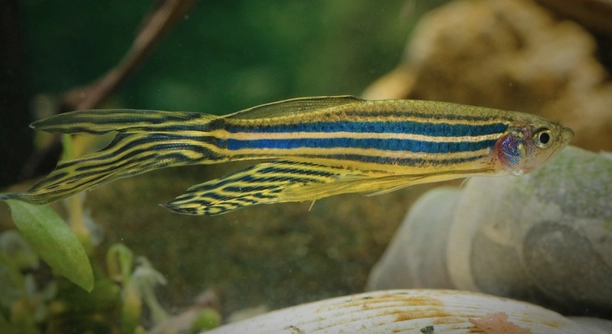
Do your zebra danios often chase each other around the tank, causing splashes and quick dashes that seem more intense than playful? These little fish may be showing more than just active behavior in your aquarium.
Zebra danios display territorial issues through aggressive chasing, fin-nipping, and persistent circling. These behaviors are often linked to overcrowding, lack of hiding spots, or competition for food and space, leading to elevated stress within the tank.
Understanding these habits will help you create a calmer tank environment and improve the overall well-being of your zebra danios.
Constant Chasing and Darting
Zebra danios that chase each other non-stop may not just be playing. This kind of behavior can signal stress caused by a need for territory. When there isn’t enough space, danios feel pressured and respond by asserting dominance through chasing. This can cause weaker fish to hide or become inactive. Chasing may also increase during feeding time or after new fish are introduced. If your danios are constantly zipping around after each other, it may be time to look at tank size, hiding areas, or group dynamics. A cramped or bare tank leaves little room for these fish to feel safe.
Chasing can wear down fish over time and create a stressful tank environment for everyone.
Adding more plants or décor can break up lines of sight and reduce aggressive movements. A longer tank also helps, giving them space to form natural group behaviors. Balance between open space and hiding areas is key.
Nipping at Fins
Nipping behavior is often the first noticeable sign of tension among zebra danios.
When danios feel threatened or crowded, they may nip at the fins of their tank mates. This isn’t just about dominance—it can also happen when they feel their space is being invaded. Fin-nipping leaves small tears or missing parts on the fins and can lead to infection if ignored. In some cases, more dominant fish will repeatedly target the same tank mate, causing visible damage or leading the weaker fish to hide for long periods. This can reduce feeding opportunities and overall health.
Keeping a proper group size—usually five or more—helps reduce individual aggression. When danios are kept in smaller numbers, there’s a greater chance of one or two fish picking on the others. Larger groups allow the energy to spread out. Combine that with proper tank layout and enough food, and you’ll help keep fin-nipping to a minimum.
Guarding a Specific Area
Zebra danios that guard a certain part of the tank may be showing territorial behavior. This can happen more often when space is limited or when tank décor creates a strong focal point, like a cave or dense plants.
When a danio keeps returning to the same area, chasing away any other fish that come close, it’s trying to claim that spot. This can lead to repeated conflict, especially if there are few hiding spaces or if several fish want the same corner. Fish that get pushed away may start hovering near the surface or hiding behind the filter. Over time, this behavior can affect their feeding and movement. It’s a sign the tank setup might need some changes to reduce stress and spread out the fish’s attention.
Add more evenly spaced decorations, floating plants, or rocks to give all danios their own places. Avoid stacking everything on one side of the tank.
Changes in Group Behavior
Zebra danios are schooling fish and feel safer in groups. When territory issues grow, the natural group behavior starts to shift. You might see a few fish break off and isolate themselves.
Some fish may stop swimming with the group entirely and instead linger near corners or behind equipment. This shift is often caused by ongoing stress from chasing or guarding behavior. If a dominant fish continues to control the middle of the tank, the rest of the group might be pushed to the edges. Feeding time becomes more tense, and weaker fish may eat less or stop competing for food. These changes often show up slowly, but they can have long-term effects on health. Pay attention to how they move together and if that behavior is consistent.
To restore balance, check tank size and ensure the group is large enough. Sometimes, adding one or two danios helps reset the social structure.
Blocking Access to Food
Zebra danios may block others from reaching food by darting ahead or chasing them away during feeding. This often happens when one or two fish become overly dominant. Over time, weaker fish may begin to lose weight or avoid feeding altogether.
Feeding in different parts of the tank can help prevent this behavior. Spread the food out instead of placing it all in one spot. This way, all danios have a better chance of eating without stress. Use floating foods that disperse more slowly to allow a calmer feeding environment.
Sudden Aggression After Tank Changes
Tank changes like rearranging decorations, adding new fish, or moving the tank can lead to sudden aggressive behavior. These changes disrupt the established territory and pecking order. Zebra danios might respond by becoming more defensive or chasing tank mates that were previously ignored. You may notice more nipping, darting, or isolation during this period. Keeping the layout familiar and introducing changes gradually helps reduce the chance of conflict. If aggression continues after a few days, recheck group size, hiding areas, and tank conditions. Sometimes a few adjustments can bring behavior back to normal.
Hiding More Than Usual
If some zebra danios start hiding for long periods, it can mean they’re feeling bullied or threatened. This often shows up after territory issues increase and one fish becomes more dominant.
FAQ
Why do zebra danios become aggressive even in larger tanks?
Even in large tanks, zebra danios can become aggressive if they feel certain areas are more desirable. Strong lighting, currents, or hiding spots can make some sections of the tank more attractive, leading one or two fish to claim them. If the group size is small, it also increases the chance of one fish trying to control the space. Adding more plants or evenly spreading decorations can help reduce this behavior. Zebra danios are social, but still form hierarchies, and a large tank alone doesn’t always solve those social tensions.
How many zebra danios should be kept together to avoid territorial issues?
A group of at least five to six zebra danios is usually recommended. Larger groups help reduce the focus on a single fish and spread out any chasing or nipping. When kept in smaller numbers, one or two fish may become overly dominant. A bigger group creates a better balance and encourages schooling behavior, which lowers aggression. If your tank can handle it, more than six is even better, as long as there’s enough swimming space and hiding spots for everyone to feel comfortable.
What tank size is best for reducing territory-related stress in zebra danios?
A 20-gallon long tank is ideal for a small group of zebra danios. It provides enough horizontal swimming space, which they prefer. Smaller tanks can cause stress and trigger territorial behavior, especially if combined with few hiding areas or poor water conditions. If your tank is under 10 gallons, it may be too cramped for a healthy group. A longer tank helps prevent crowding and gives them space to escape if chased. Remember to keep the environment interesting with plants and rocks, not just open water.
Can female zebra danios be aggressive too?
Yes, female zebra danios can show territorial or aggressive behavior, especially in situations where space is limited. While males are usually more active and dominant, females can also chase or guard areas. Sometimes, it’s not about gender but more about personality and tank dynamics. If one female seems to be bullying others, try adding more décor or slightly adjusting the group size. A stressed fish—regardless of gender—can become aggressive if it feels its space is being invaded.
Is aggression in zebra danios always a sign of territorial problems?
Not always. Zebra danios are naturally energetic and may chase each other briefly, especially during feeding or when they’re excited. Short bursts of chasing can be normal, especially in larger groups. But when you notice constant chasing, fin damage, hiding, or food guarding, it usually points to stress or territory issues. Watch for patterns. If one fish is always the chaser and others are hiding or getting nipped, then it’s likely more than just playfulness and needs to be addressed.
What should I do if one zebra danio is always the aggressor?
First, try to increase hiding spots and distractions in the tank, such as plants, driftwood, or rocks. Sometimes, rearranging the tank can break established territories. You can also try adding one or two more danios to spread out the social pressure. In some cases, separating the aggressive fish for a few days and reintroducing it can reset its behavior. If none of that works and the bullying continues, it may be best to rehome the aggressive fish to keep the others healthy and safe.
Can poor water conditions cause territorial behavior in zebra danios?
Yes, poor water quality can increase stress and make zebra danios more territorial or aggressive. When ammonia, nitrite, or nitrate levels are too high, or if the temperature fluctuates often, fish can become irritable. Always check your water parameters with a reliable test kit and perform regular water changes. A clean, stable environment helps reduce aggression and keeps your danios more relaxed. Good water quality, paired with enough space and the right group size, is one of the best ways to avoid territory issues.
Final Thoughts
Zebra danios are active fish that enjoy swimming in groups and exploring their environment. While they are often peaceful, they can show signs of territorial behavior when their tank setup doesn’t meet their needs. Things like constant chasing, fin-nipping, and guarding a certain area are signs to look out for. These behaviors can be caused by overcrowding, not enough hiding spots, or changes in the tank. It’s important to pay attention to how they act every day so you can catch any issues early. Watching their habits closely helps you keep the tank a calm and safe place for all your fish.
Providing enough space and a proper group size can prevent a lot of problems. A longer tank gives them room to swim side by side without bumping into each other. Adding decorations like plants, rocks, and driftwood can help break up the space and give each fish a place to rest or hide. Feeding in more than one spot and making sure all fish have access to food also lowers stress. Even small changes like moving a plant or adjusting water flow can make a difference. It doesn’t take much to help zebra danios feel more secure and relaxed in their home.
Keeping your zebra danios healthy is about balance. They need clean water, the right number of tank mates, and an environment that lets them show their natural behavior without feeling threatened. If you see signs of aggression or stress, take a closer look at the tank setup and conditions. Most of the time, small fixes can reduce or stop the unwanted behavior. Zebra danios are fun to watch when they’re happy and active. With a little care and observation, you can create a tank where they thrive and get along well with each other.

Hello,
If you enjoy the content that we create, please consider saying a "Thank You!" by leaving a tip.
Every little bit helps us continue crafting quality advice that supports the health, happiness, and well-being of pets around the world, for pets of all shapes, sizes, and species.
We really appreciate the kindness and support that you show us!