
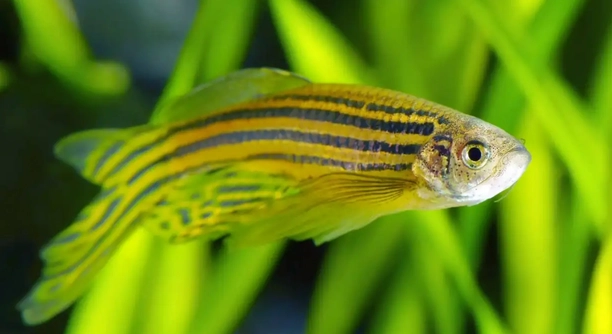
Are your zebra danios acting strangely, leaving you worried that they might be sick or in distress in their tank?
Some behaviors in zebra danios can look like signs of illness but are actually normal actions. Misinterpreting these behaviors may lead to unnecessary treatment or concern. Recognizing what’s typical can help you care for them properly.
Understanding the difference between natural behavior and real illness is key to keeping your fish safe, happy, and healthy.
Chasing Each Other Constantly
Zebra danios are known for their high energy and playful nature. One behavior that often confuses fish keepers is constant chasing. This can look aggressive, and it’s easy to think the fish are fighting or stressed. However, chasing is usually part of their social interaction, especially if males are present. It’s more common during feeding times or when they’re establishing a pecking order. In many cases, this behavior is completely normal and not a sign of illness. It becomes a problem only if you see physical damage, loss of appetite, or hiding behavior. If you have a small tank, the chasing might become stressful for weaker fish. Keeping them in a group of six or more can help distribute the attention and ease tension. A larger tank with decorations and plants also gives space to retreat and reset. Observation is key to knowing when things are just active versus unhealthy.
Look for signs like torn fins, refusal to eat, or constant hiding—these can indicate stress beyond normal activity.
If the chasing doesn’t stop or if one fish is always the target, consider separating them or adding more space. Zebra danios need mental and physical stimulation, but not at the cost of health.
Darting Around the Tank Rapidly
Sudden darting is common and can appear alarming to those unfamiliar with danios.
This behavior is often a response to changes in lighting, movement outside the tank, or even their own reflection. Zebra danios are easily startled. Quick movement or shadows can cause them to swim fast and erratically. They may also do this when they’re excited—such as before feeding or when introduced to a new tank mate. It becomes more of a concern if this behavior happens nonstop or is paired with clamped fins, gasping, or scratching on surfaces. In those cases, the issue might be water quality or parasites. Always check your tank conditions, including ammonia, nitrite, and temperature levels. Stable water parameters and a consistent lighting schedule can reduce stress. Also, make sure your tank isn’t placed near loud speakers or areas with lots of foot traffic. A quiet, predictable environment goes a long way in calming sudden bursts of activity.
Hovering in One Spot Without Moving
Zebra danios sometimes hover in place, which can look like they are weak or ill. However, this behavior is often just resting or observing their surroundings. It’s more common during low activity periods or in the early morning.
If the fish appears upright, with fins gently moving, it’s usually not a concern. This resting pose allows them to conserve energy and take breaks between bursts of movement. They might do this more if the lighting is dim or the tank is especially calm. However, if the hovering includes tilted posture, clamped fins, or labored breathing, it may be a sign of illness or water issues. Check for proper filtration, oxygen levels, and stable water temperature. Over time, you’ll learn the difference between relaxed stillness and something more serious. A healthy fish at rest looks alert and balanced.
Make sure your tank has areas with gentle flow where danios can rest. Strong currents can exhaust them, making it harder to pause safely. Plants or rock structures can provide good resting spots. If all water parameters check out and they still hover in a strange way, monitor them closely over a few days before reacting. Sudden changes in behavior should always be tracked.
Flicking or Rubbing Against Objects
This behavior, also called flashing, can happen occasionally without cause for concern. Sometimes, danios flick against plants or decorations simply to scratch an itch or dislodge debris from their scales.
Frequent flicking, especially when paired with hiding or rapid gill movement, might point to a parasite or water irritation. Ich and flukes are common causes. Poor water conditions can also irritate their skin and make them rub more often. If you notice this happening more than once or twice a day, test your water immediately. Ammonia and nitrites should always be at zero. If the levels are off, a partial water change can help. If parameters look normal, but flicking continues, it might be time to isolate the affected fish and monitor for other symptoms like white spots or redness. Adding aquarium salt, in correct amounts, can ease minor irritation while you figure out the cause.
Gasping at the Surface
Zebra danios may swim to the surface and appear to gasp when oxygen levels in the water are low. This usually happens in overcrowded tanks or when there isn’t enough surface agitation to help with gas exchange.
Another reason could be sudden spikes in ammonia or nitrites, which can harm their gills and make breathing harder. Always check water parameters and make sure your filter is working properly to keep the water moving.
Color Fading at Certain Times
Danios sometimes lose a bit of color when they’re resting or sleeping, especially in the early morning or late at night. This is normal and temporary. Their stripes will usually return once they’re active again. Stress can also cause fading, but it’s often paired with other symptoms.
Hiding for Long Periods
This behavior can happen after a sudden change, like a new tank mate or bright lights. A shy danio may also prefer staying near plants or decor for comfort.
FAQ
What is the best water temperature for zebra danios?
Zebra danios thrive in temperatures between 65°F and 75°F (18°C to 24°C). Keeping them within this range helps them stay active and healthy. Extreme temperatures, either too hot or too cold, can cause stress, affecting their immune system. If the water gets too cold, their metabolism slows down, and they may become more vulnerable to illness. On the other hand, water that’s too warm can cause them to breathe heavily and act sluggish. A reliable aquarium heater and thermometer will help maintain consistent temperatures for your fish.
Can zebra danios live in a tank with other fish?
Yes, zebra danios are peaceful and can live with other species in a community tank. They generally get along well with other non-aggressive fish like tetras, guppies, and other small, calm species. However, they may nip the fins of slower, long-finned fish like bettas. Always ensure the tank mates are of similar size and temperament to avoid conflicts. Having plenty of plants or hiding spaces also helps reduce any territorial behavior and keeps everyone comfortable.
How many zebra danios should I keep together?
Zebra danios are social creatures and do best in groups of at least 6 to 8 individuals. When kept in larger groups, they feel more secure and will display more natural behaviors, like schooling. Keeping too few danios may cause stress and result in a less active, more anxious fish. In small groups, you may also notice more chasing or bullying. A larger group helps spread out the attention and reduces aggression. A well-planted tank with ample space will keep them happy and active.
Why are my zebra danios always swimming at the top of the tank?
If your zebra danios are spending a lot of time near the water’s surface, it could be a sign of low oxygen levels. Poor water circulation or high stocking density can cause oxygen to deplete, especially at the top of the tank. Adding an air stone or adjusting your filter to create surface agitation can help improve oxygen exchange. If the water parameters are fine and this behavior persists, check for potential water quality issues, as high levels of ammonia or nitrites can also stress your fish.
Do zebra danios need a filter in their tank?
Yes, zebra danios need a good filtration system to maintain clean water and prevent harmful toxins from building up. A filter helps remove debris, excess food, and waste, which are harmful to fish. A good filter also keeps the water oxygenated, which is crucial for their health. Make sure the filter is not too powerful, as strong currents can stress out your danios. You can also use a sponge filter, which provides gentle filtration and is especially useful for smaller tanks.
How do I know if my zebra danios are sick?
Sick zebra danios may exhibit several signs that include abnormal swimming, loss of color, clamped fins, rubbing against objects, or unusual hiding. If your fish stop eating or become lethargic, that’s another sign they may not be well. You might also notice bloating, skin lesions, or visible parasites. Keeping an eye on your fish’s behavior and appearance will help you spot any problems early. If you notice any of these symptoms, it’s important to test your water quality and consider separating the sick fish from the rest to prevent the spread of disease.
What should I feed my zebra danios?
Zebra danios are omnivores and eat a wide variety of foods. You can feed them high-quality flake food, live or frozen foods like brine shrimp or bloodworms, and vegetable matter such as blanched spinach or zucchini. They are not picky eaters, but it’s important to provide a balanced diet that includes both protein and plant-based nutrients. Avoid overfeeding, as uneaten food can degrade water quality. It’s best to feed them small amounts multiple times a day to prevent waste buildup.
Can zebra danios breed in a home aquarium?
Yes, zebra danios can breed in a well-maintained aquarium. They are egg layers, and you will need a separate breeding tank or a breeding net to protect the eggs from being eaten by adult fish. To encourage breeding, provide them with plants or spawning mops where they can lay eggs. The water should be slightly acidic and warm (around 75°F or 24°C) for the best results. After spawning, remove the adults to avoid them eating the eggs. The eggs will hatch in 2 to 3 days, and the fry will begin swimming within a few days after hatching.
How long do zebra danios live?
Zebra danios have a lifespan of about 3 to 5 years, depending on the water quality, diet, and general care they receive. Good water conditions, regular maintenance, and a balanced diet will help them live longer. It’s important to avoid sudden temperature changes, overcrowding, and poor water quality to ensure they thrive. Providing a clean and stable environment, as well as routine water changes, will support their health and longevity.
What is the minimum tank size for zebra danios?
Zebra danios can live comfortably in a tank that’s at least 10 gallons (38 liters) for a small group. Larger tanks are better if you plan on keeping a school of 6 or more, as they need space to swim and explore. Overcrowding can cause stress and lead to health issues. A tank with enough room for hiding spots, plants, and decorations will help your fish feel secure and active. Ensure your tank has a good filtration system and plenty of oxygen exchange to maintain the health of the fish.
Final Thoughts
Zebra danios are active, resilient, and relatively easy to care for, making them a great choice for both beginners and experienced fish keepers. Their playful behavior can sometimes be mistaken for signs of illness, but most of the time, their actions are simply part of their natural behavior. Understanding these behaviors and knowing what’s normal will help you avoid unnecessary stress and treatment. It’s important to monitor their habits closely, so you can distinguish between normal activity and symptoms of potential health problems. With a little attention, you’ll be able to tell when something is off and act quickly if needed.
Proper tank conditions are key to keeping your zebra danios healthy and happy. Make sure to maintain clean water with the right temperature and oxygen levels. Zebra danios thrive in groups, so it’s a good idea to keep at least six or more together. A well-planted tank with plenty of space to swim and hide will reduce stress and help them feel secure. Additionally, make sure to feed them a balanced diet with a variety of foods. Healthy fish are more active and less prone to illness, so providing the right environment and food is essential for their long-term well-being.
When it comes to care, consistency is crucial. Regularly check the water parameters, clean the tank, and observe your fish. If you notice any unusual behaviors that don’t seem typical, it’s always worth investigating further. Sometimes, it’s a sign of stress from environmental changes or poor water conditions. In other cases, it could be a sign of illness that requires treatment. Understanding their needs and acting on early signs of trouble will keep your zebra danios thriving for years to come. With the right care, these little fish will add color and life to your aquarium.

Hello,
If you enjoy the content that we create, please consider saying a "Thank You!" by leaving a tip.
Every little bit helps us continue crafting quality advice that supports the health, happiness, and well-being of pets around the world, for pets of all shapes, sizes, and species.
We really appreciate the kindness and support that you show us!