
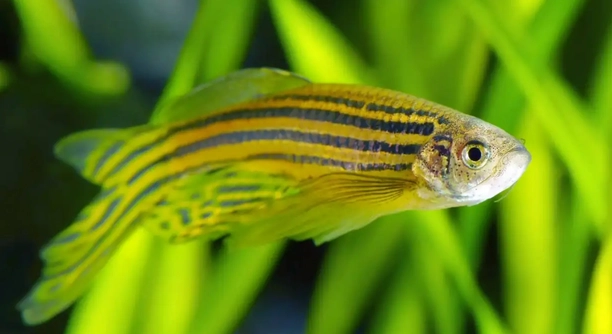
Zebra Danios are popular aquarium fish known for their vibrant colors and active nature. Observing their behavior can provide insights into their health, mood, and environmental conditions. Understanding these behaviors helps ensure their well-being in your aquarium.
Zebra Danios exhibit distinct behaviors such as schooling, fin-flaring, and chasing. Schooling is a sign of comfort and safety, while fin-flaring may indicate territorial disputes or mating. Chasing is a social behavior, often linked to dominance or playful interactions.
These behaviors offer clues to their needs and environment. Understanding them ensures you create a balanced habitat for your fish, supporting their happiness and health.
Zebra Danios and Schooling Behavior
Zebra Danios are known for their tendency to swim in groups, or schools. This behavior is a natural instinct designed to protect them from predators. In the wild, schooling provides safety in numbers, making it harder for predators to target individual fish. In an aquarium, you may notice your Danios swimming together in tight formations, especially in larger tanks or when they feel secure. If a Zebra Danio is alone, it might feel stressed or vulnerable.
Schooling is essential for their mental and physical well-being. Keeping them in groups of at least five or six Danios helps mimic their natural environment and promotes healthier, happier fish.
When Zebra Danios feel comfortable and safe in their environment, they will school more often. This also creates a more visually appealing aquarium, as their synchronized movement adds beauty and liveliness to your tank. Ensuring a group of these active fish will encourage their schooling behavior and improve their overall health.
Fin-Flaring and Territorial Behavior
Fin-flaring is a common behavior seen in Zebra Danios.
When male Danios feel threatened or are asserting dominance, they will flare their fins. This display is a signal to other males or potential rivals. Although it may seem aggressive, it is generally not harmful.
Male Zebra Danios use fin-flaring to compete for territory or mates. This behavior is most commonly observed during breeding seasons. When setting up an aquarium with multiple male Danios, this display may happen often. However, it can also occur with females when males are particularly active or competing for space. Understanding this behavior can help you create a more peaceful tank by ensuring there’s enough space for each fish.
Chasing and Playful Interactions
Chasing is a common sight among Zebra Danios, and it can have various meanings depending on the context.
In some cases, chasing is a sign of playful interaction. Young Danios often chase each other around the tank, and it is not a cause for concern. This behavior helps them burn off energy and engage socially with other members of their school.
On the other hand, chasing can sometimes indicate dominance, particularly when males compete for the attention of females. The fish may dart after one another, nipping at fins or trying to gain the upper hand. If this becomes too intense, it can result in stress or injury. To manage this, make sure your tank has plenty of hiding spots and areas where Danios can retreat if needed. Keeping a balanced ratio of males to females can also reduce aggressive behavior.
Understanding Zebra Danios’ Mating Behavior
Zebra Danios are known to display interesting mating behaviors.
Male Danios become more vibrant in color and engage in rapid, darting movements around females to attract their attention. They may chase the females and attempt to nudge them towards suitable spawning sites in the aquarium.
The females typically respond by laying their eggs in the plants or substrate, where the male fertilizes them. This process happens quickly, and once eggs are laid, the males often lose interest. After mating, the Danios may continue their normal behavior, but the males will remain more colorful as a sign of their mating success. Understanding this behavior can help you manage your tank during breeding seasons. Providing plenty of plants or surfaces for eggs to stick to is important to ensure the eggs develop properly.
Aggressive Behavior and Stress Indicators
Aggressive behavior in Zebra Danios can result from overcrowding or an unstable environment. If you notice increased chasing, fin nipping, or darkening of colors, stress might be the cause.
Aggression is often seen when tank conditions aren’t ideal or when there are too many males competing for territory. It can also occur when there’s insufficient space for the fish to establish their territories. If aggression escalates, it may lead to injury or harm. A larger tank with more hiding spots and proper filtration can reduce stress and minimize aggressive behavior.
Additionally, Zebra Danios may show signs of aggression when they feel threatened by other species in the tank. Be mindful of tank mates, as certain species may cause unnecessary stress, triggering these aggressive tendencies. Keeping the fish’s environment calm and well-maintained will help reduce the likelihood of territorial disputes.
Surface Swimming and Feeding Behavior
Zebra Danios are often seen swimming near the surface of the water, especially during feeding times.
This behavior is common in many fish species, including Zebra Danios, as they are surface feeders. They prefer to consume food that floats on the surface or near it, and this is when they are most active. To ensure they are well-fed, provide a variety of food sources, such as flakes, pellets, and occasional live or frozen treats.
Surface swimming is not only related to feeding but also reflects their comfort in the aquarium. If they are swimming near the top frequently, it indicates that they feel secure in their environment. However, if they remain at the surface too long without eating, it could signal a water quality issue, such as low oxygen levels or poor filtration.
Hiding Behavior and Stress Relief
Zebra Danios often seek refuge in plants, rocks, or other structures within the aquarium. This is normal and provides them with a sense of security.
If your Danios are constantly hiding, it might be a sign of stress or discomfort in their environment. They tend to retreat when they feel unsafe or threatened, either by other tank mates or environmental factors like water temperature fluctuations.
Providing plenty of plants or hiding spots can help alleviate stress and give your Danios a place to rest. A tank with well-placed decorations can encourage natural behavior and allow them to feel more secure.
Aggression During Mating Season
During breeding seasons, male Zebra Danios may display heightened aggression. This can be seen in chasing and fin-flaring as they compete for the attention of females.
In some cases, males will aggressively pursue females, nudging them toward the desired spawning area. This behavior is generally normal during mating but should be monitored closely to ensure it doesn’t result in injury. Reducing the number of males or providing extra space can help reduce aggressive tendencies.
Exploration and Active Swimming
Zebra Danios are active swimmers and love to explore their environment.
This behavior is typical, as these fish are naturally curious. They will often swim around the tank, inspecting plants, tank decorations, or other objects. Providing a well-enriched tank with various plants, rocks, and hiding spots encourages this exploratory behavior, which benefits their health.
FAQ
What is the ideal tank size for Zebra Danios?
Zebra Danios do well in tanks that are at least 20 gallons in size, though they can live in smaller tanks if kept in groups. A 20-gallon tank allows for better swimming space and helps maintain stable water conditions. Since they are active swimmers, they require room to move freely. Smaller tanks can lead to water quality problems, which could cause stress or health issues. Having a tank large enough for a group of Zebra Danios ensures they can swim together and feel secure.
Can Zebra Danios live with other fish?
Yes, Zebra Danios are peaceful and can live with many other fish species. They typically do well with other small, non-aggressive fish. Avoid keeping them with larger, more aggressive species that may harm or stress them. Good tank mates include tetras, guppies, and Corydoras catfish. It’s essential to avoid fish that may compete for the same food or space, as this can lead to stress or aggression.
How do I know if my Zebra Danios are stressed?
Stressed Zebra Danios might show signs like faded colors, erratic swimming patterns, or excessive hiding. If they become lethargic or swim in circles or near the surface constantly, it can indicate that they are uncomfortable in their environment. Stress can also result from poor water quality, overcrowding, or improper tank mates. Ensuring they have enough hiding spots, stable water parameters, and proper tank conditions will reduce stress.
How often should I feed Zebra Danios?
Zebra Danios should be fed twice a day, offering small portions that they can consume within 2-3 minutes. Overfeeding can lead to poor water quality and health problems, so it’s important to provide only as much food as they can eat in that time. A balanced diet that includes high-quality fish flakes, pellets, and occasional live or frozen foods, like brine shrimp, will keep them healthy.
What water conditions do Zebra Danios need?
Zebra Danios prefer slightly alkaline water with a pH between 7.0 and 8.2. They thrive in temperatures between 64°F and 75°F (18°C–24°C), and the water should be well-filtered and oxygenated. Regular water changes of about 25% per week help maintain water quality. Keeping the water clean and stable is crucial for their health, as poor water conditions can lead to stress or illness.
Do Zebra Danios need a filter?
Yes, Zebra Danios need a filter to maintain clean and oxygenated water. They are active swimmers and produce waste, so a good filtration system helps keep the water clear and reduces harmful toxins like ammonia and nitrites. The filter should provide gentle water movement, as Danios prefer calm waters. Make sure to clean the filter regularly to maintain optimal water flow.
How can I tell if my Zebra Danios are sick?
Sick Zebra Danios might display unusual behaviors, such as erratic swimming, loss of appetite, or swimming near the surface for long periods. They may also have visible signs like clamped fins, discoloration, or lesions on their bodies. If you notice these symptoms, it’s essential to check water quality and isolate the sick fish if needed. Early detection of illness allows for timely treatment and prevents the spread of disease.
Can Zebra Danios breed in captivity?
Yes, Zebra Danios can breed in captivity. To encourage breeding, provide a separate breeding tank with fine-leaved plants or a spawning grid where the eggs can be deposited. Males will chase the females, nudging them to lay eggs, which are then fertilized externally. After the eggs are laid, remove the parents to prevent them from eating the eggs. The fry will hatch in about 2-3 days and can be fed infusoria or baby brine shrimp.
What is the lifespan of Zebra Danios?
Zebra Danios typically live for 2 to 3 years, but with proper care, some can live up to 5 years. Providing a stable environment, balanced diet, and proper tank maintenance can help extend their lifespan. Keep an eye on their behavior, water conditions, and overall health to ensure they live a long and healthy life.
Do Zebra Danios require a lot of attention?
Zebra Danios are relatively low-maintenance fish. While they do require clean, well-filtered water, they do not need constant attention. Regular tank maintenance, such as water changes and monitoring water quality, is essential. They also enjoy having tank mates and a well-enriched environment to explore. As long as their basic needs are met, Zebra Danios are easy to care for.
Why are my Zebra Danios swimming at the surface?
Zebra Danios swimming at the surface could indicate a variety of things. If they’re near the top during feeding time, it’s normal as they are surface feeders. However, if they’re swimming at the surface constantly or gasping for air, it may be a sign of low oxygen levels or poor water quality. Make sure your tank has proper aeration and filtration to address this issue.
Final Thoughts
Zebra Danios are a great choice for beginner fish keepers and experienced hobbyists alike. They are hardy, active, and easy to care for, making them a popular species in many freshwater aquariums. Their lively behavior and attractive stripes add beauty to any tank, and they do well in both community and species-specific setups. With their adaptability, they can thrive in a range of water conditions, as long as their environment is kept stable. By providing them with proper care, you can enjoy these little fish for years to come.
Maintaining a balanced environment is key to keeping Zebra Danios healthy. Ensuring your tank has the right size, proper filtration, and enough hiding spots will help minimize stress and allow them to express their natural behaviors. Regular water changes and feeding them high-quality food are essential for their well-being. Paying attention to their interactions with other tank mates will also help prevent aggression or stress. By monitoring their behavior and tank conditions, you can quickly spot any signs of illness or discomfort, allowing you to address issues before they become serious.
In conclusion, Zebra Danios are low-maintenance and rewarding to care for, provided their basic needs are met. With the right tank setup and regular care, these active fish will thrive in your aquarium. Whether you’re looking for a peaceful community fish or want to observe their fascinating behaviors, Zebra Danios offer a lot of enjoyment. Their adaptability, coupled with their engaging nature, makes them a great addition to any aquarium. Just keep their environment clean and ensure they have enough space and food to stay happy.

Hello,
If you enjoy the content that we create, please consider saying a "Thank You!" by leaving a tip.
Every little bit helps us continue crafting quality advice that supports the health, happiness, and well-being of pets around the world, for pets of all shapes, sizes, and species.
We really appreciate the kindness and support that you show us!