
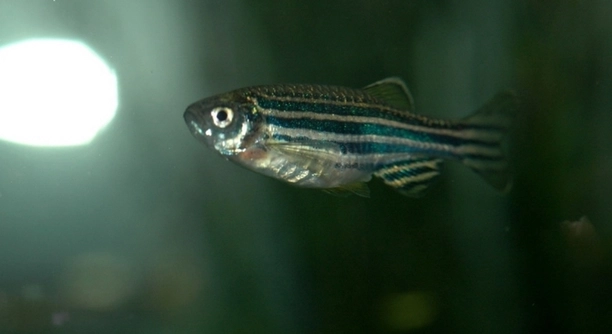
Have you ever noticed your zebra danios acting differently right after a water change in their tank? These small changes in behavior can sometimes be surprising or even confusing for fish keepers, especially newer ones.
Zebra danios often exhibit increased activity, temporary hiding, erratic swimming, or schooling changes after a water change due to shifts in temperature, pH, and water chemistry. These responses are generally short-lived and part of their natural adjustment process.
Observing these behavior shifts can help you understand how your zebra danios respond to their environment. Let’s take a closer look at seven common changes that may appear after a routine water change.
Increased Activity After Water Change
Zebra danios often become noticeably more active right after a water change. This is mostly due to the influx of fresh, oxygen-rich water that stimulates their natural behavior. They may start darting around the tank, chasing each other, or swimming in fast, repetitive patterns. These bursts of energy are usually short-lived and settle once the fish adapt to the new water conditions. The change in temperature and chemical composition can also trigger exploratory behavior, especially if the water added is slightly cooler or warmer. For new owners, this behavior might appear as stress, but it is often a normal reaction. It’s important to ensure that the water change process is smooth, with slow pouring and minimal sudden temperature fluctuations. This helps keep the zebra danios comfortable and minimizes any signs of panic or overexcitement. Consistent care will help reinforce a calm and healthy environment for your fish.
This temporary hyperactivity isn’t harmful. It’s their way of adjusting and responding to the new environment. Just give them a little time.
Watching for a return to their regular swimming patterns is a good way to know they’ve settled. After the initial spike in movement, things usually return to normal within an hour.
Hiding or Staying Near the Bottom
Some zebra danios may suddenly choose to hide or stay close to the bottom of the tank after a water change. This is a common response.
Zebra danios are sensitive to environmental shifts, and even small changes in water temperature or pH can affect their comfort. If the fresh water is cooler than the tank water, they may seek areas that feel more stable or warmer, often near the substrate or behind decorations. It’s also common for them to pause active swimming and instead hover or stay still. This gives their bodies time to adjust internally. If the water added is not treated properly or contains chlorine, this can add to their discomfort. However, if the water was conditioned and added correctly, this behavior should only last for a short time. Regular monitoring, proper dechlorination, and matching temperature closely during each water change will reduce these reactions over time. They will gradually learn that the changes are not harmful.
Erratic Swimming or Darting
Zebra danios may begin to swim erratically or dart around the tank after a water change. This sudden movement can look alarming, but it’s usually a temporary reaction to differences in water parameters like temperature or pH.
These quick, sharp bursts of swimming are often signs that the fish are reacting to something unfamiliar in their environment. If the new water was added too quickly or if it’s a different temperature than what they’re used to, it may startle them. In some cases, slight chemical differences—like an increase in ammonia or nitrates—can also trigger a physical response. This behavior should fade once the water stabilizes and the fish acclimate. Try using a siphon and pouring fresh water in slowly to limit stress. Ensuring the water you add closely matches the tank’s existing temperature and chemistry is key to avoiding these strong reactions.
They might also display skittish behavior if the water change disturbed tank decorations or substrate. Any disruption to their familiar space can make them more alert or nervous. This often causes short-term changes in their swimming patterns, especially if they feel unsafe. Providing stable hiding places can help them feel more secure during these adjustments.
Schooling Pattern Changes
After a water change, zebra danios may adjust how they school together. You might notice them swimming closer, spreading out, or reorganizing their movement patterns based on their comfort levels and stress responses.
When water conditions change, fish naturally regroup to feel safer. Zebra danios often school more tightly if they’re uncertain about the environment, using each other for reassurance. If the water feels colder or too different, they may stick together and swim in more coordinated motions. In contrast, if they feel overstimulated by too much movement during the change, they may separate briefly before regrouping once the environment calms. Keeping the tank lighting stable and avoiding fast or loud motions nearby will help prevent unnecessary stress. Over time, as they sense everything is stable again, their schooling behavior will return to normal, with a comfortable spacing and natural flow of movement through the tank.
Temporary Loss of Appetite
Zebra danios may show little interest in food shortly after a water change. This behavior is often linked to stress or discomfort caused by shifts in temperature or water chemistry, especially if the change was too sudden.
Once the tank conditions stabilize, their appetite usually returns. It’s best to wait a bit before feeding again. Offering food too soon can lead to waste or leftover particles that affect water quality further. Give them time to adjust before trying another small feeding.
Increased Gill Movement or Breathing Rate
Rapid gill movement or faster breathing after a water change may signal that something in the water is irritating their system. This can happen if the new water contains residual chlorine or if there’s a sharp drop in oxygen levels. Always use a water conditioner to remove chlorine and chloramine. Also, make sure the tank is well-aerated after a water change, especially if you’ve cleaned the filter or disturbed the surface too much. If the fish seem to be gasping or staying near the top, it’s a sign the oxygen might be too low. A bubbler or gentle surface agitation will help.
Exploring Tank Decorations
You might notice your zebra danios exploring tank decorations more than usual after a water change. This is part of their natural curiosity as they adjust to subtle environmental differences and check that everything still feels familiar.
FAQ
Why do zebra danios act differently after a water change?
Zebra danios respond to even slight changes in their environment. A water change can temporarily shift temperature, pH, or oxygen levels, which they detect immediately. These changes may trigger erratic swimming, hiding, or other altered behaviors. While it may seem unusual, these reactions are often harmless and short-lived. Once the water stabilizes and they feel secure again, their behavior usually returns to normal. Providing consistent care, using a reliable water conditioner, and matching temperature closely each time you change the water can help keep their reactions minimal and brief.
How long does it take for zebra danios to return to normal after a water change?
Most zebra danios settle down within an hour or two after a water change. The exact time depends on how different the new water is from the tank’s current conditions. If the water temperature, pH, or hardness changes too much, they may need more time to adjust. Fish that were already stressed or sensitive may show prolonged changes in behavior, such as staying near the bottom or refusing food. If you notice continued distress after a few hours, double-check the water parameters and make sure there are no other underlying issues in the tank.
Can a water change be harmful to zebra danios?
A water change is not harmful when done correctly, but it can cause problems if rushed or poorly managed. If untreated tap water is used or the temperature difference is too high, zebra danios may become stressed. This can lead to rapid gill movement, loss of appetite, or hiding. It’s important to use dechlorinated water and pour it in slowly to reduce the shock. Try to change no more than 25–30% of the tank water at once unless absolutely necessary. Gradual, regular maintenance is safer and better for your fish’s long-term health.
Is it normal for zebra danios to breathe heavily after a water change?
Yes, it can be normal—especially if the oxygen levels in the tank dropped or if the new water contains chemical residues like chlorine. Heavy breathing, or rapid gill movement, may also happen if the water temperature dropped quickly. To avoid this, make sure the replacement water is close to the tank’s temperature and always use a quality water conditioner. Keep your filter running and try not to disturb the tank’s beneficial bacteria. If the heavy breathing lasts more than an hour, recheck the water parameters to be sure everything is within a safe range.
Why are my zebra danios swimming near the surface after a water change?
When zebra danios swim near the surface, they might be trying to access more oxygen. This can happen if the water change reduced oxygen levels or stirred up debris that temporarily clogs gills. Sometimes, adding water too quickly can disrupt surface agitation, making oxygen exchange less efficient. To prevent this, pour slowly and avoid turning off your filter or air stone for too long. If the tank is fully stocked, consider adding an extra air source like a bubbler. Once the oxygen levels balance out, your fish should return to their usual swimming patterns.
Should I feed my zebra danios right after a water change?
It’s usually better to wait. Zebra danios may ignore food if they’re still adjusting to the changes in their environment. Feeding too soon can result in uneaten food sitting in the tank, which lowers water quality. Wait about 30 minutes to an hour after the water change before offering a small amount. If they still show no interest, try again later. Once they’ve settled and are swimming normally again, they’ll likely return to their usual feeding behavior. Keeping their routine consistent also helps reduce any long-term stress from changes.
Can water changes affect zebra danio schooling behavior?
Yes, they can. Zebra danios are schooling fish and tend to change their swimming patterns based on their comfort level. After a water change, they may school more tightly or scatter, depending on how safe they feel. If the water shift is too abrupt, the group may temporarily separate. Once the fish have adjusted to the fresh water, they’ll naturally fall back into their regular schooling pattern. A stable, familiar environment helps keep their behavior more predictable. Keep decorations and plants in place so they feel secure even during maintenance.
Why are my zebra danios hiding more than usual after a water change?
Hiding is a common sign of stress or uncertainty. If the new water is colder, has a different pH, or was added too quickly, your zebra danios might retreat until they feel safe again. They often hide behind plants, inside decorations, or near the bottom. This behavior should be temporary and pass as they get used to the adjusted water. Providing shaded or covered spots in the tank helps them feel secure. Keep the area calm and avoid tapping or sudden movement around the tank until they start swimming more openly again.
Final Thoughts
Zebra danios are small, active fish that can show noticeable behavior changes after a water change. These changes might seem concerning at first, but they are often natural responses to even slight differences in their environment. Whether it’s a shift in temperature, pH, or oxygen levels, zebra danios are quick to react. You might notice them swimming erratically, hiding, or staying near the surface. These reactions can be surprising, especially for new fish keepers, but most of the time, they are temporary and not a cause for alarm.
Understanding why zebra danios act differently after a water change can help you feel more confident in caring for them. Using water that closely matches the tank’s current temperature and parameters can reduce their stress. It also helps to add the water slowly and avoid large changes all at once. Keeping your filter running and maintaining good oxygen levels during and after the process can make the transition easier for them. Zebra danios are sensitive, but they are also hardy and usually bounce back quickly if their environment remains stable.
Paying attention to their behavior before and after each water change gives you helpful clues about their comfort level. Over time, you’ll learn how your specific fish respond and what works best for your setup. Regular tank maintenance, proper feeding, and a calm environment all support healthy behavior. If unusual signs continue for more than a few hours, checking the water with a test kit can help rule out any underlying issues. With a little care and patience, your zebra danios can continue to thrive and show their playful, active side every day.

Hello,
If you enjoy the content that we create, please consider saying a "Thank You!" by leaving a tip.
Every little bit helps us continue crafting quality advice that supports the health, happiness, and well-being of pets around the world, for pets of all shapes, sizes, and species.
We really appreciate the kindness and support that you show us!