
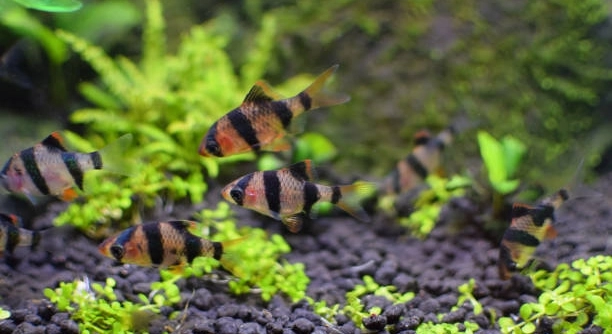
Tiger barbs are popular freshwater fish known for their lively behavior during the day. At night, however, these small fish show some unusual habits that are less commonly seen by owners. Understanding their nighttime actions can help improve aquarium care.
Tiger barbs exhibit distinct nocturnal behaviors, including reduced activity, resting in groups, occasional darting, fin flicking, and territorial displays. These behaviors are natural and linked to their instincts for safety, social interaction, and environmental adjustment during low light conditions.
Observing these behaviors at night provides insight into their wellbeing and helps maintain a healthy, balanced aquarium environment.
Resting and Grouping Behavior
At night, tiger barbs tend to become less active and often gather together in small groups. This behavior helps them feel safer, as being in a group reduces the risk of being targeted by predators. They usually rest near plants or decorations where they can hide easily. This resting period is crucial for their health, allowing them to conserve energy for the day ahead. Even though they rest, they remain somewhat alert, ready to respond to any sudden changes in their environment. Observing this calm behavior shows that the fish feel secure in their tank, which is a sign of good care. If you notice your tiger barbs scattered or overly restless at night, it may indicate stress or discomfort that should be addressed. Providing hiding spots and maintaining water quality can encourage natural nighttime rest.
Tiger barbs resting in groups at night is a natural safety instinct.
Creating a peaceful environment with enough hiding places supports this resting behavior. Keeping the tank quiet during nighttime and avoiding sudden light changes helps tiger barbs maintain their natural rhythm. Their grouping also strengthens social bonds, which is important for their overall wellbeing. Proper tank setup and stable conditions ensure they feel comfortable enough to rest together each night, improving their health and reducing stress-related problems. Regular observation helps you spot any changes in their night behavior early and respond accordingly.
Nighttime Darting and Fin Flicking
Tiger barbs sometimes make quick, sudden movements at night, darting through the tank. This behavior can look surprising but is quite normal. It usually happens when they feel a slight disturbance or need to adjust their position in the dark.
These quick movements help tiger barbs stay alert and respond to changes around them. Fin flicking often accompanies darting and serves as a way to communicate with other fish. It can signal excitement, minor irritation, or an attempt to assert dominance within the group. These subtle actions help maintain their social structure even during rest periods.
While nighttime darting may seem odd, it shows their natural instincts are still active. They are balancing rest with awareness of their surroundings. Ensuring the tank has a stable environment can reduce unnecessary darting caused by stress or sudden light changes.
Territorial Displays at Night
Tiger barbs may show territorial behaviors even during nighttime. They often claim certain spots or decorations as their own and defend them by chasing others away.
This territoriality helps reduce conflicts during the day by establishing clear boundaries at night. It also maintains the social order within the tank, reducing aggressive fights when the lights are on. Providing enough space and hiding spots can minimize territorial disputes and keep the fish comfortable.
Understanding these behaviors can improve how you manage your tank. Creating areas for each fish reduces stress and helps maintain peace, especially in smaller tanks where space is limited. Careful tank design plays a key role in promoting harmony.
Sensitivity to Light Changes
Tiger barbs are very sensitive to sudden changes in light at night. Bright or flickering lights can startle them, causing stress and erratic swimming.
Keeping the tank lighting stable and dim during nighttime helps them stay calm and maintain their natural behavior patterns.
Nocturnal Foraging
Though less active, tiger barbs sometimes search for food at night. They explore the tank bottom and decorations quietly, looking for leftover pellets or tiny creatures. This behavior helps them supplement their diet and stay healthy. Providing a small nighttime feeding can satisfy this instinct without overfeeding during the day.
Restlessness Before Dawn
Tiger barbs often become more active shortly before dawn. This restlessness signals their internal clock preparing them for daytime activity. It’s a normal behavior showing their natural rhythm and readiness to start the day’s routine in the tank.
Why do tiger barbs behave differently at night?
Tiger barbs have a natural day-night cycle that influences their behavior. At night, their activity slows down to conserve energy and avoid predators. The low light causes them to be less active, and they tend to rest in groups for safety. Their occasional quick movements or fin flicks at night are instinctive responses to environmental changes or social interactions. These nighttime behaviors help them stay alert while still resting.
Is it normal for tiger barbs to be less active at night?
Yes, it is completely normal. Like many fish, tiger barbs reduce their activity levels during the night. This rest period is essential for their health. During the day, they are more energetic and social, but at night, they focus on conserving energy and maintaining safety within their environment.
What causes tiger barbs to dart suddenly at night?
Sudden darting usually happens when the fish sense a disturbance, such as a change in light, movement near the tank, or another fish entering their territory. This quick response is a natural defense mechanism. It helps them react quickly to potential threats even during their resting phase.
Why do tiger barbs flick their fins at night?
Fin flicking is a form of communication among tiger barbs. At night, it can signal slight irritation, excitement, or attempts to maintain social order. It is a subtle way for them to interact without full activity, helping keep the group dynamic balanced.
Are tiger barbs territorial during the night?
Yes, territorial behavior can continue at night. They may defend favored spots or hiding places from other fish. This helps prevent conflicts during the day by establishing clear boundaries in advance. It is important to provide enough space and shelters in the tank to reduce territorial stress.
Should I feed tiger barbs at night?
While tiger barbs do forage occasionally at night, it is not necessary to feed them after dark regularly. Overfeeding can lead to water quality issues. If you notice they are actively searching for food at night, a small, controlled feeding can be offered occasionally to satisfy their natural foraging behavior.
How can I create a better nighttime environment for my tiger barbs?
Keep the lighting dim and stable at night to avoid startling them. Provide plenty of hiding spots with plants or decorations, allowing them to rest comfortably. Avoid tapping on the glass or making sudden movements near the tank. Maintaining clean water and a calm environment supports their natural behaviors and overall health.
Do tiger barbs sleep like humans?
Fish do not sleep in the same way humans do, but they do enter periods of rest. Tiger barbs become less active and conserve energy, often grouping together to feel safe. Their rest is lighter and they remain alert to changes in their surroundings, which helps protect them from danger.
What signs show that tiger barbs are stressed at night?
Signs of stress include frantic swimming, staying isolated from the group, constant darting, or hiding excessively. Sudden changes in behavior may indicate poor water quality, too much light, or disturbances in the tank. Monitoring these signs helps catch problems early and improve their nighttime comfort.
How important is tank size for tiger barbs’ nighttime behavior?
Tank size is very important. Tiger barbs are active fish that need enough space to swim and establish territories. In cramped tanks, they may become more aggressive or restless at night. Providing a larger tank with hiding places supports healthier social behavior and reduces nighttime stress.
Tiger barbs show many interesting behaviors at night that can seem unusual if you’re not familiar with them. Their tendency to rest in groups, dart suddenly, flick fins, and defend small territories are all natural parts of their nighttime routine. These actions help them stay safe and maintain social order in the low-light environment of the tank. Understanding these behaviors makes it easier to care for them and create a comfortable habitat that supports their health and wellbeing.
Providing the right environment is key to encouraging healthy nighttime behavior in tiger barbs. This means keeping lighting dim and stable during the night to avoid startling them. It also involves making sure there are enough hiding spots and plants where they can rest and feel secure. The size of the tank is important too because it gives them room to swim freely and reduce conflicts over territory. When these conditions are met, tiger barbs are more relaxed, and you’ll notice their natural nighttime habits without signs of stress or discomfort.
Observing your tiger barbs’ night behavior offers valuable insight into their overall health. Sudden changes, like excessive darting or isolation from the group, may signal stress or environmental issues. Maintaining clean water, a quiet atmosphere, and a stable routine helps keep them calm at night. Paying attention to their natural rhythms also helps ensure they thrive. With a little care and understanding, tiger barbs can live happily and display their unique nighttime behaviors in your aquarium.

Hello,
If you enjoy the content that we create, please consider saying a "Thank You!" by leaving a tip.
Every little bit helps us continue crafting quality advice that supports the health, happiness, and well-being of pets around the world, for pets of all shapes, sizes, and species.
We really appreciate the kindness and support that you show us!