
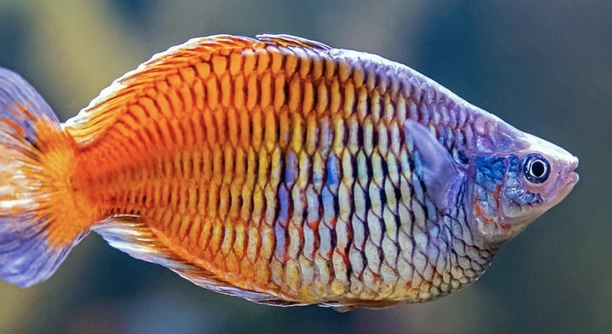
Rainbow fish are known for their vibrant colors and graceful movements. However, before they breed, they exhibit some unique behaviors that may seem unusual to those unfamiliar with these fascinating creatures.
Rainbow fish engage in specific behaviors before breeding, including increased activity, territorial displays, and changes in color. Males often demonstrate more vivid colors, while females may show signs of readiness through body language, such as quivering or positioning themselves near males.
These behaviors highlight the intricate ways in which rainbow fish prepare for reproduction, ensuring successful mating. Understanding these patterns is key to appreciating their fascinating life cycle.
Understanding the Rainbow Fish’s Pre-Breeding Rituals
Before breeding, rainbow fish engage in distinct behaviors that help them prepare for reproduction. Males often become more active, darting through the water with increased speed and displaying vibrant colors. These colors can be a signal to females, indicating their readiness. Meanwhile, females tend to become more selective in their actions, making it easier for the males to approach. The increased activity is not just for show but also a method for testing the strength and suitability of potential mates. Territorial disputes may also occur, with males defending their area to ensure they have the best chance of mating.
These rituals help maintain the health of the fish population by ensuring the strongest and healthiest individuals breed. By showcasing their bright colors and physical abilities, rainbow fish increase their chances of reproducing successfully. This process also contributes to the overall stability of their habitat by encouraging proper mating habits.
The subtle behaviors before breeding can tell a lot about the fish’s ability to adapt to different environments. These rituals are essential for keeping the species healthy and vibrant, allowing them to thrive in various settings.
Territorial Behavior Before Breeding
Male rainbow fish often show territorial behavior leading up to breeding. They fiercely defend their space, creating boundaries to ensure they are the dominant fish. This helps them secure a prime spot for mating. Territorial disputes can involve chasing, displaying vibrant colors, or even physically confronting other males.
This behavior is vital because it establishes a hierarchy among the fish. The dominant male gains the opportunity to mate with females. By guarding his territory, the male demonstrates strength and fitness, making him a more appealing choice for females. The territorial disputes often occur in areas rich in resources, ensuring that the best conditions are available for reproduction.
Once a male establishes dominance, he will focus on attracting the attention of nearby females. His bright colors and bold actions signal his readiness. Females are more likely to approach males who have successfully defended a territory, as it indicates that the male is strong and capable of providing a safe environment for breeding.
Color Changes and Attracting Mates
The change in color before breeding is one of the most noticeable signs of rainbow fish preparation. Males undergo significant shifts, becoming brighter and more vibrant, especially in areas like the fins and tail. This color transformation serves as a visual cue to females, signaling that the male is ready to mate.
The males’ enhanced coloration is not random. It’s a deliberate change that helps to attract females from a distance. These colors act as indicators of health, age, and genetic fitness. The brighter the colors, the more likely the male is to be a suitable mate. During this phase, males become much more active and display their colors as they move in front of the females, almost as a form of courtship.
In some species of rainbow fish, these colors can become even more intense, making the males stand out in the water. This vibrant display is designed to catch the attention of females, who are more likely to respond to the brightest and most healthy males. It’s a key part of their reproductive success.
Quivering and Positioning for Mating
Female rainbow fish often exhibit subtle quivering movements as a sign of readiness. This behavior is part of their mating ritual, signaling their willingness to mate. Males may respond by positioning themselves nearby, ready to court and display their own vibrant colors.
Quivering is an indication that the female is in prime condition for mating. By positioning herself near a dominant male, she makes it easier for him to approach and engage in courtship. This act ensures that the female is choosing the best possible mate. It also helps reduce aggressive behavior from other males.
This quivering movement is one of the more noticeable pre-breeding behaviors. It shows that the female is prepared to spawn, creating a natural opportunity for males to demonstrate their strength and suitability. The male’s response to this signal often determines whether mating will take place.
Breeding Site Selection
Before breeding, rainbow fish carefully choose the areas where they will lay their eggs. They look for spots that are safe, well-oxygenated, and protected from predators. These sites are often in dense plant areas or in the shelter of rocks and other natural formations.
Choosing the right breeding site is essential to the survival of the offspring. The location must provide a safe environment where the eggs will be protected and can develop without interference from other fish. This careful selection ensures that the eggs have the best chance of hatching successfully.
When a female is ready to lay her eggs, she will often lead the male to a preferred location. The male may follow her, ensuring that the site is optimal. This behavior further illustrates the importance of environment in the breeding process for rainbow fish.
FAQ
What do rainbow fish do before they breed?
Before breeding, rainbow fish undergo several noticeable behaviors. Males often increase their activity, becoming more vibrant in color. They display territorial behaviors, defending areas that they believe are ideal for mating. Females may exhibit signs of readiness by positioning themselves near males and quivering. These behaviors help signal the optimal conditions for breeding and ensure that the strongest mates engage in reproduction.
How do rainbow fish attract mates?
Males attract mates by showing off their vibrant colors. These color changes are a key part of their courtship, signaling their health and fitness to females. The brighter and more vivid the male’s colors, the more likely he is to be selected by a female. Additionally, males will become more active and may even chase after females to get their attention.
Do female rainbow fish choose their mates?
Yes, female rainbow fish do have a say in the selection of their mates. They usually choose males based on their color, activity level, and the male’s ability to defend a territory. Females prefer males who show dominance and vibrant colors, which are indicators of good health and strong genetics. The female will often approach the male once she is ready to mate, signaling her choice.
Why do male rainbow fish become more colorful?
Male rainbow fish become more colorful before breeding as a visual signal to attract females. The color change is an indication of the male’s fitness, age, and genetic health. Brighter colors mean a healthier and more suitable mate for the female. This color transformation plays a vital role in ensuring that only the strongest males mate.
What is the role of quivering in breeding?
Quivering is a key pre-breeding behavior exhibited by female rainbow fish. It’s a way for the female to signal that she is ready to mate. The quivering motion indicates her willingness to engage with a male, and males will often respond by approaching her and attempting to court her. It is a sign of readiness and helps males know when they should initiate courtship.
How do rainbow fish choose their breeding sites?
Rainbow fish carefully select breeding sites to ensure their eggs are safe from predators and environmental threats. These sites are typically in areas with dense vegetation or sheltered locations near rocks or other natural formations. A safe, well-oxygenated space ensures the survival of the eggs and gives them the best chance to develop successfully.
How do rainbow fish protect their eggs?
Rainbow fish generally do not exhibit direct protection of their eggs, but they choose breeding sites that are naturally protected from predators. They select areas with dense vegetation or secluded spots that help guard the eggs. The eggs will hatch in these safe areas, where they are less likely to be disturbed or eaten.
How long does it take for rainbow fish to breed?
Rainbow fish breeding can happen fairly quickly, often within a few hours of the male and female selecting each other. The actual act of mating involves the female laying her eggs, which are fertilized by the male in the breeding area. Once fertilized, the eggs generally hatch within a week, depending on water conditions like temperature.
Do rainbow fish breed year-round?
Rainbow fish can breed year-round, but their breeding behavior is often influenced by environmental factors such as water temperature and food availability. Warmer temperatures typically encourage breeding, as they signal optimal conditions for the survival of eggs and larvae. However, the frequency of breeding may vary depending on the species and environmental conditions.
How can I encourage rainbow fish to breed in captivity?
To encourage breeding in captivity, it is important to replicate the natural environment of rainbow fish. This includes maintaining a warm water temperature, offering abundant food, and providing plenty of hiding spots with plants and decorations. Ensuring good water quality and reducing stress can also help stimulate breeding behavior. Adding a mix of male and female fish in the right conditions increases the chances of successful mating.
What happens after rainbow fish lay their eggs?
After the female lays her eggs, the male fertilizes them. The eggs are typically left in the breeding site until they hatch. While rainbow fish do not provide parental care, the selected breeding sites often offer natural protection from predators. Once hatched, the fry will begin to swim independently, seeking shelter and food in the same safe environment.
How many eggs do rainbow fish lay at once?
Rainbow fish can lay a significant number of eggs during each breeding cycle. Depending on the species, a female can lay anywhere from 30 to 100 eggs. The number of eggs can vary based on the size and health of the female, as well as the conditions in the aquarium or natural habitat.
Do rainbow fish mate for life?
Rainbow fish do not typically mate for life. Their mating behaviors are more opportunistic, with males courting females during each breeding cycle. Once breeding is completed, the pair usually separates, and the male may seek out other females. However, during the breeding season, a male and female will form a temporary bond to ensure successful reproduction.
Can rainbow fish breed in a community tank?
Rainbow fish can breed in a community tank, but certain conditions must be met to encourage breeding. It’s important to ensure that the tank is large enough to accommodate the fish, with plenty of space for males and females to interact. Additionally, creating a habitat with plants and hiding spots will provide a suitable environment for the eggs and fry. Keeping the water temperature warm and stable is also crucial for breeding success.
What should I feed rainbow fish to promote breeding?
Feeding rainbow fish a varied and nutritious diet can help promote breeding. A diet that includes high-quality flake food, frozen or live foods such as brine shrimp, and small insects provides essential nutrients. Offering a variety of foods helps improve the health and vitality of both males and females, increasing their chances of successful breeding.
Final Thoughts
Rainbow fish exhibit fascinating behaviors before breeding, and understanding these rituals can deepen our appreciation for their reproductive process. From vibrant color changes in males to the careful selection of breeding sites, each step is part of their natural instinct to ensure the survival of their offspring. These behaviors play a vital role in determining which individuals will mate and in creating the best environment for the eggs to develop. By observing these patterns, fish enthusiasts can better appreciate the complexity of their aquatic world.
Breeding rainbow fish in captivity requires providing the right environment and conditions. Maintaining a warm, stable water temperature, offering a varied diet, and ensuring plenty of plants and hiding spots are essential for encouraging mating. While rainbow fish may breed naturally in the wild, replicating their environment in an aquarium can be a challenge. Understanding the signals and behaviors that lead up to breeding, such as quivering and territorial displays, can guide aquarists in setting up the ideal conditions.
Ultimately, the process of breeding rainbow fish is a mix of natural instincts, environmental factors, and careful selection. Whether in the wild or in captivity, these fish follow a predictable pattern to ensure the continuation of their species. By learning more about their breeding behaviors and how to support them, we can enjoy the fascinating process of watching these vibrant creatures continue their life cycle. Understanding the importance of breeding sites, male displays, and female selection will enhance any aquarium setup and make the experience of raising rainbow fish even more rewarding.

Hello,
If you enjoy the content that we create, please consider saying a "Thank You!" by leaving a tip.
Every little bit helps us continue crafting quality advice that supports the health, happiness, and well-being of pets around the world, for pets of all shapes, sizes, and species.
We really appreciate the kindness and support that you show us!