
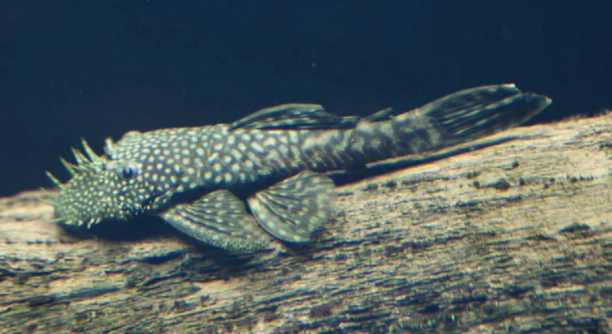
Plecos are fascinating creatures with unique behaviors that often catch the attention of fishkeepers. Their mouths, in particular, seem to do more than just feed them. Understanding these quirky actions can help you care for your pleco better.
Plecos use their mouths for various behaviors, including suctioning onto surfaces, cleaning algae, and even interacting with their tankmates. These actions are essential for their survival and often appear unusual to those unfamiliar with their habits.
These fascinating behaviors show how plecos interact with their environment. Exploring these actions will give you a better understanding of your pleco’s habits and needs.
The Pleco’s Suctioning Habit
Plecos are known for their unique way of using their mouths to suction onto surfaces. This behavior is essential for them to attach themselves to rocks, plants, or aquarium walls. By creating a strong vacuum-like seal with their mouths, they can stay in place even in moving water. This action helps them graze on algae and keep their environment clean. It’s a key survival technique that plecos use to maintain a safe position in their tank.
The suctioning action is not just for feeding. It allows plecos to avoid predators and rest securely, especially in moving or turbulent water.
They rely on their specialized mouth structure, which forms a disc, enabling them to create this strong suction. This ability also helps them to move along surfaces, feeding on algae and detritus. It’s fascinating how effective this simple method of attachment is, allowing plecos to thrive in various environments. With this technique, they’re not only feeding, but also protecting themselves from threats.
The Pleco’s Cleaning Routine
Another interesting behavior is the pleco’s cleaning method. They often use their mouths to suck on aquarium decorations or other tankmates, which may seem odd.
In their natural habitat, plecos help clean other fish by removing parasites, dead skin, and other debris. This cleaning method can be seen as a form of mutual benefit. The pleco gets to feed on unwanted debris, and the other fish get rid of parasites.
This cleaning behavior is beneficial for both the pleco and its tankmates. In many cases, plecos are seen attached to other fish, seemingly cleaning their scales. While it may appear strange, this mutual interaction is important in nature. In your aquarium, it’s a good practice to observe the pleco’s behavior to ensure the tankmates aren’t stressed by the pleco’s cleaning. Regular cleaning can help your pleco stay healthy and make sure the entire tank remains free of excessive algae and debris.
The Pleco’s Mating Behavior
Plecos use their mouths in unique ways during mating. Males often try to entice females by displaying their mouth and body.
In many species of plecos, males will attach themselves to the females with their mouths. This allows them to maintain close contact during courtship, ensuring the mating process is successful. It’s not unusual to see males using their mouths to hold onto females as they swim together.
This behavior ensures that the male has a strong hold during the mating process, which can be crucial in the wild. It also allows the male to stay in position to fertilize the eggs once the female lays them. Understanding this behavior can help you spot breeding signs in your plecos.
The Pleco’s Feeding Ritual
Plecos are known for their bottom-feeding habits. Their mouths are designed for scraping algae and detritus from surfaces.
Their feeding method is simple but effective. Plecos have specialized mouths that allow them to suck up algae, food scraps, and organic matter from tank surfaces. This feeding habit helps keep your tank clean, reducing the buildup of algae and detritus.
As they feed, plecos use their mouths to scrape off particles, even reaching into small crevices of rocks and decorations. This method ensures they have a steady food supply, while also contributing to the cleanliness of your aquarium. It’s important to provide your pleco with enough food to maintain its health, but it will also take care of cleaning the tank naturally.
The Pleco’s Mouth as a Tool for Exploration
Plecos use their mouths to explore their environment. They will often move along surfaces, checking for food or any interesting objects.
Their mouths serve as a tool for probing into crevices, especially in search of hidden food. This exploratory behavior helps them find both natural food and leftover scraps.
By using their mouths, plecos ensure they can access a wide range of nutrients. Their keen ability to explore various areas of the tank also shows their adaptability in unfamiliar environments, which helps them thrive in different conditions.
The Pleco’s Social Behavior
While plecos are often solitary, their mouths can be involved in interactions with other fish.
Although plecos are not typically social creatures, they may use their mouths to interact when necessary. They might gently suction onto tankmates, often during feeding times or while navigating the tank. This behavior isn’t aggressive but serves as a way to maintain their space.
The Pleco’s Mouth for Respiratory Purposes
Plecos also use their mouths to regulate breathing in different water conditions.
When oxygen levels are low, plecos can take in more water through their mouths and over their gills to absorb oxygen efficiently. This behavior ensures they can survive in environments with fluctuating oxygen levels. It is a survival tactic that helps them adapt to varying conditions.
FAQ
Why do plecos suck on things in the tank?
Plecos use their mouths to suck on various surfaces, including rocks, tank walls, and decorations, to feed on algae and other organic material. This behavior is natural, and their mouths are specially adapted for it. They help clean the tank by removing algae, which keeps the environment healthy for other fish. Sucking also allows plecos to explore their surroundings and find hidden food sources.
Do plecos use their mouths for anything other than eating?
Yes, plecos use their mouths for several purposes beyond feeding. They rely on their mouths for suction to attach to surfaces or even other fish, which is often seen during mating or when interacting with tankmates. Their mouths help them navigate the tank, find food, and sometimes secure themselves in a safe position.
Are plecos aggressive when they suck on other fish?
Plecos are generally not aggressive. They may use their mouths to suction onto other fish, but this is typically for cleaning or exploring. While it might look unusual, it’s not meant to harm the other fish. However, it can cause stress in some species, so it’s important to monitor their interactions in the tank.
Can plecos breathe through their mouths?
Yes, plecos can breathe through their mouths. Like many fish, they use their mouths to take in water, which then passes over their gills to extract oxygen. This is especially useful when oxygen levels are low in the tank, allowing them to maintain proper breathing.
Why do plecos suck on the glass?
Plecos suck on glass because they are feeding on algae and organic matter that grow on it. Tank walls can accumulate algae over time, and plecos help keep this in check by scraping and sucking on the glass. This behavior is completely normal and beneficial for keeping the tank clean.
How can I tell if my pleco is using its mouth for mating?
During mating, male plecos may use their mouths to attach to the female. They will often latch onto her side or belly to maintain close contact while she lays eggs. This behavior ensures the male can fertilize the eggs properly. If you notice this attachment behavior, it may be a sign of breeding.
Why is my pleco sucking on my other fish?
Plecos may suck on other fish to clean them of parasites or dead skin. This is a normal behavior in the wild, where plecos help other fish stay clean. However, in a tank, it’s essential to make sure that the fish being sucked on is not stressed or harmed.
Can plecos eat food through their mouths like other fish?
Yes, plecos can eat food through their mouths, but they typically feed by scraping algae, biofilm, and detritus from surfaces with their specialized mouths. They might also take in pellets or other food that sinks to the bottom, but they prefer to graze on surfaces.
Are plecos’ mouths dangerous to other fish?
Generally, plecos’ mouths are not dangerous to other fish. However, if a pleco is too large or aggressive in its behavior, it might cause stress or damage to smaller tankmates. It’s important to monitor your pleco’s interactions with other fish, especially during feeding or cleaning times.
How do plecos’ mouths help them in the wild?
In the wild, plecos use their mouths to attach to surfaces in fast-moving waters, ensuring they don’t get swept away. Their suctioning ability also helps them feed on algae, detritus, and biofilm that accumulate in their habitat. This adaptation allows them to survive in various environments, from rivers to streams.
What can I do if my pleco is sucking on other fish too much?
If your pleco is sucking on other fish too much, it may be a sign of overactive cleaning behavior or stress. You can try providing more food to satisfy its hunger or adjust the tank environment. If the behavior continues, you might want to separate the pleco or introduce larger tankmates to reduce the chances of over-suctioning.
Do plecos ever use their mouths to communicate with other fish?
While plecos don’t communicate in the same way that other fish do, they may use their mouths for certain interactions. For instance, they might use their mouths to establish dominance or to assert their space during feeding times. However, their mouth-based behaviors are generally not about communication in the traditional sense.
Why do plecos suck on the gravel or substrate?
Plecos will often suck on gravel or substrate to scavenge for food. They may find bits of organic matter, detritus, or algae that they can feed on. Their mouths are adapted to help them sift through the substrate in search of food, which contributes to keeping the aquarium clean.
Can plecos’ mouths harm plants in the tank?
Plecos are primarily algae eaters, and while they don’t typically harm plants, their mouths can cause damage if they’re scraping excessively. If your pleco has a habit of scraping on plants or decorations, it could cause some wear or tearing. However, this is generally not a major concern unless the plants are delicate.
Why is my pleco’s mouth open?
A pleco’s mouth may remain open if it’s resting or if it’s trying to take in more oxygen, especially if water conditions are poor. It may also open its mouth when it’s suctioning onto a surface. If the mouth remains open constantly, it may indicate an issue with water quality or health that should be addressed.
Do plecos use their mouths to interact with their environment?
Yes, plecos use their mouths to interact with their environment. They explore tank surfaces, suction onto objects, and feed on algae. Their mouths are highly sensitive and help them feel their way around the tank. This behavior is a key part of their survival and exploration.
Why do plecos suck on the rocks?
Plecos suck on rocks to scrape algae and biofilm that grow on them. Rocks provide an ideal surface for plecos to feed and maintain their health. The action of sucking on the rocks helps plecos keep their teeth in check while getting the nutrients they need.
Final Thoughts
Plecos are fascinating creatures with unique behaviors, especially when it comes to using their mouths. From suctioning onto surfaces to cleaning tankmates, these behaviors are all part of what makes plecos such effective and adaptable fish in both the wild and in aquariums. Their specialized mouths allow them to perform essential tasks, like feeding on algae and detritus, which helps maintain a clean and healthy environment in your tank. Understanding these behaviors can give you a better appreciation of how plecos interact with their surroundings.
While some pleco behaviors may seem strange, such as sucking on other fish or objects in the tank, they are simply part of their natural habits. Plecos are not typically aggressive, and most of their mouth-related actions are meant for feeding or exploring. Their suction ability helps them find food, attach to surfaces, and even interact with other fish. It’s important to remember that these actions are part of the pleco’s survival strategy, whether they are cleaning their environment or bonding with potential mates. As long as their behavior doesn’t stress other tankmates, these actions should be viewed as normal and beneficial.
Ultimately, knowing how plecos use their mouths can help you create a better environment for them in your aquarium. If you’re observing behaviors like sucking on tank walls or interacting with other fish, these are usually signs that your pleco is doing what it needs to stay healthy and maintain its natural habits. However, it’s always a good idea to keep an eye on the overall well-being of all your fish to ensure that no one is being harmed or overly stressed. With proper care and understanding of their behavior, plecos can thrive in your tank, helping to keep it clean and adding to the beauty of your aquatic world.

Hello,
If you enjoy the content that we create, please consider saying a "Thank You!" by leaving a tip.
Every little bit helps us continue crafting quality advice that supports the health, happiness, and well-being of pets around the world, for pets of all shapes, sizes, and species.
We really appreciate the kindness and support that you show us!