
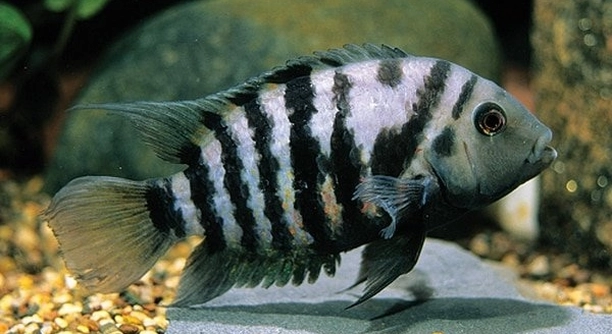
Have you ever watched your cichlids during spawning and noticed some behaviors that just seem a little out of the ordinary?
Cichlids engage in a range of unusual spawning behaviors driven by territorial instincts, mating strategies, and complex social structures. These behaviors may appear strange but serve specific biological and survival functions within the species.
Understanding these odd habits can help improve care for your fish and give more insight into how cichlids behave in home aquariums.
Mouthbrooding Behavior
Mouthbrooding is one of the most fascinating and strange behaviors cichlids show during spawning. Certain species, like African cichlids, carry fertilized eggs and even fry inside their mouths for protection. This behavior helps guard the offspring from predators and environmental dangers. The female will often stop eating during this period, focusing entirely on the safety of her young. In some cases, males will mouthbrood too, depending on the species. It’s an intense process that can last for weeks. During this time, the fish will seem more withdrawn, often hiding or staying still. This may look like illness, but it’s a natural part of the breeding cycle. The parent only releases the fry when they are ready to survive on their own. This protective act can stress the adult fish but greatly increases the survival rate of the young. It’s a clear example of complex instincts in fish behavior.
Some hobbyists panic when they see their cichlid not eating, not realizing it might be carrying eggs in its mouth.
Recognizing mouthbrooding behavior can help you avoid unnecessary stress for your fish. Don’t try to feed or move the fish during this time. Keep the tank peaceful and clean. The parent will eventually release the fry when the time is right.
Digging and Rearranging Substrate
Cichlids dig out nests by moving sand, gravel, or small rocks with their mouths.
This digging behavior isn’t random. It’s part of how cichlids prepare a safe area for egg-laying or defending territory. The fish will often choose a specific area of the tank and return to it again and again. Males, especially, dig pits or clear spaces to attract females. The chosen spot may be in a corner or near a rock. Once the area is cleaned out, the female may lay her eggs there, or the male may use it as a display site to show strength. In some cases, this behavior can cause plants to uproot or decorations to shift. It can also make the tank appear messy, but this is completely normal during spawning. If the digging seems excessive, consider if the tank is too crowded or if there aren’t enough hiding spots. Giving cichlids room to perform this behavior can lead to more successful spawning.
Lip Locking and Wrestling
Cichlids often engage in what looks like fighting, locking lips and pushing each other around the tank. This is usually part of mating or territorial disputes, not just aggression.
Lip locking can happen between two males competing for territory or a female’s attention. It can also occur between a male and female during courtship. While it may seem violent, it’s usually a test of strength or dominance. Sometimes the behavior turns serious and causes injuries, especially in smaller tanks with limited space. It’s important to observe closely—frequent or intense lip locking may mean the fish need more room or hiding spots. In pairs, this behavior often fades once roles are settled and eggs are laid. If you see signs of torn fins or constant fighting, consider separating them temporarily. But in most cases, this behavior is normal and part of how cichlids communicate and establish breeding bonds.
A small amount of pushing and tugging is expected, but it shouldn’t go on constantly. If the behavior continues for long periods without calming down, it’s best to assess tank size, hiding spaces, and the number of fish. Reducing visual contact between pairs or rivals can help limit stress. Monitoring behavior closely is the best way to ensure safety.
Egg Laying on Vertical or Hidden Surfaces
Some cichlids prefer to lay their eggs on tank walls, plant leaves, or even filter tubes. They often choose vertical or hidden spots that seem odd but offer protection.
This behavior may seem strange, but it comes from natural instincts to hide eggs from predators. Vertical or shielded surfaces, like the back of a rock or the underside of a leaf, are harder for other fish to access. In a home tank, glass walls or filter parts sometimes become the best option. Parents often clean the surface first, then carefully lay and fertilize the eggs. After that, they stay close, fanning them to keep water flowing. If your fish start acting territorial near a certain object, check it closely—you may find a neat line of eggs hidden from plain view. This approach helps protect the next generation and raises the chance of successful hatching.
Color Changes During Spawning
Cichlids often show brighter or darker colors when they are ready to spawn. These shifts help attract mates or warn off rivals. It’s a natural signal that spawning behavior is active or about to begin.
Color intensity may change based on the fish’s role—males often become more vibrant, while females may darken slightly.
Fake Spawning Displays
Some male cichlids perform fake spawning acts to lure females into a certain area. These displays can include shaking, circling, or nudging without actually laying eggs. It’s a tactic to lead the female to a spot the male has prepared. These displays are often repeated until the female accepts the location.
Eating Their Own Eggs
This behavior usually happens when cichlids are stressed or feel unsafe in the tank. First-time parents are more likely to do it.
FAQ
Why do cichlids become more aggressive during spawning?
Aggression during spawning is a defense response. Cichlids become highly protective of their eggs or fry and will chase away any fish they see as a threat. This includes other cichlids and sometimes even their own mate. It’s a way to make sure the offspring survive. In tanks that are too small or crowded, this aggression can get worse. Giving the breeding pair plenty of space and hiding areas helps reduce tension. If aggression becomes dangerous, separating the fish temporarily is sometimes necessary. This behavior usually calms down once the spawning process is complete and the fry are growing.
Is it normal for cichlids to stop eating during spawning?
Yes, it’s common. Mouthbrooding females stop eating while holding eggs or fry in their mouths. Even non-mouthbrooders may stop eating if they are guarding eggs. This behavior isn’t a sign of illness unless it continues too long. Most return to normal feeding after the fry are released or the eggs hatch. If you’re worried, monitor them for signs of stress or weight loss. Try offering food at quiet times or in smaller amounts. They may nibble but avoid large meals. Patience is key—once the spawning stage ends, their appetite should return.
Can I move the eggs or fry to another tank?
You can, but it should be done carefully. Moving eggs or fry too early can stress the parents or damage the offspring. If you need to protect them from other tank mates, wait until the fry are free-swimming. Use a siphon or cup with tank water to move them gently. Make sure the new tank has similar water conditions and is properly cycled. Adding a sponge filter can help keep the water safe without strong currents. In many cases, though, letting the parents care for the fry works better—especially if they’re experienced.
Why do cichlids move their fry around the tank?
It’s part of their natural parenting behavior. Cichlids will often pick up fry in their mouths and place them in different spots for safety. This may happen several times a day. If a threat gets too close, or if the current is too strong, the parent moves them. You might see them using shallow pits, corners, or even under rocks. This behavior shows that the parents are paying close attention. As long as the fry are not being eaten or harmed, this activity is normal and helps increase their chances of survival.
How long does cichlid spawning behavior last?
It depends on the species. In mouthbrooders, the entire cycle—from mating to fry release—can last around three weeks. For egg-laying cichlids, eggs usually hatch in three to five days, with the fry becoming free-swimming after another five to seven days. Protective behaviors can last longer if the fry remain in the tank. You may see reduced aggression and less digging once the fry are more independent. Keep in mind that some cichlids may try to spawn again shortly after. Watching the fish closely will help you know when the cycle is complete.
Should I separate the male and female after spawning?
Only if aggression becomes a problem. Some pairs get along well and take turns guarding the fry. Others may fight, especially if one is more invested in protecting the young. If you notice repeated chasing, nipping, or signs of injury, it’s better to use a divider or remove one fish. On the other hand, if the pair seems calm and cooperative, it’s fine to leave them together. It really depends on their behavior and the tank setup. Providing plants, caves, or other hiding places often helps keep peace between them.
Final Thoughts
Cichlids are known for their bold colors and active personalities, but their spawning behavior reveals a deeper and more complex side. From digging pits in the gravel to carrying fry in their mouths, these actions may seem strange at first. However, each behavior has a purpose that helps protect the eggs and ensure survival. Even the more aggressive or confusing moments, like lip locking or refusing food, are often tied to strong instincts passed down through generations. Understanding what your cichlids are doing during this time can make the spawning process smoother and less stressful for both the fish and you.
Keeping an eye on the signs of spawning can help you better support your cichlids. Changes in color, sudden aggression, or new patterns of movement may all be linked to breeding behavior. Knowing how to respond—like offering more space, reducing stress, or adding hiding spots—can make a big difference. It’s also important to stay patient. First-time parents may eat their eggs or seem unsure of what to do. With time, many of them improve and become more confident in caring for their fry. If problems keep happening, you can step in, but most of the time, it’s best to let them learn and adapt naturally.
Spawning can be a messy and unpredictable time in a cichlid tank, but it’s also one of the most rewarding parts of keeping these fish. Watching them protect their young, build nests, or interact with each other in new ways adds a deeper level to the experience. It helps to approach it with curiosity rather than worry. The more you observe, the more you learn about their needs and patterns. Over time, you’ll start to recognize what’s normal and what might need attention. Whether you’re breeding them on purpose or just watching a bonded pair, being informed can help you enjoy the process more fully. Cichlids may act weird during spawning, but those odd behaviors are part of what makes them so interesting to keep.

Hello,
If you enjoy the content that we create, please consider saying a "Thank You!" by leaving a tip.
Every little bit helps us continue crafting quality advice that supports the health, happiness, and well-being of pets around the world, for pets of all shapes, sizes, and species.
We really appreciate the kindness and support that you show us!