
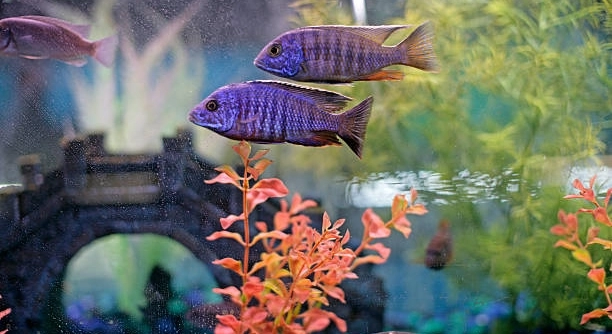
African cichlids are fascinating fish known for their vibrant colors and unique behaviors. One of the less talked about aspects of their life is how they sleep. These fish exhibit some unusual sleeping habits that many aquarium enthusiasts find surprising.
African cichlids display a variety of strange sleeping behaviors, including resting in unusual positions, hiding in tight spaces, and changing color. These habits help them avoid predators and conserve energy, reflecting their adaptation to diverse aquatic environments.
Learning about these odd habits can help you better care for your cichlids. Understanding how they rest ensures their well-being and improves your experience as a fish keeper.
Sleeping in Strange Positions
African cichlids often rest in positions that seem odd to us. Some may lie on their sides or even belly-up for short periods. These unusual postures are usually harmless and part of their natural resting process. It helps them stay comfortable while remaining alert to nearby threats. Sometimes, they wedge themselves between rocks or plants in the tank, using tight spaces to feel secure. These fish can also shift their fins or tails slightly while resting to maintain balance or adjust their body temperature. Their ability to sleep in various positions shows how adaptable they are in their environment. Observing these behaviors can give insight into their comfort level and health. If you notice your cichlid sleeping in an odd way, it’s often normal. However, sudden changes or prolonged unusual postures may signal stress or illness, so keep an eye on their overall activity.
Their strange sleeping postures serve as a survival mechanism in their natural habitat.
Recognizing these positions can help you create a safer and more comfortable environment for your cichlids. Providing plenty of hiding spots and stable decorations mimics their natural habitat. It also reduces stress, which can improve their sleep quality. Watching them rest this way adds another layer of appreciation for how smart and flexible these fish are. Ensuring their tank setup supports their needs is essential for their health and happiness. Knowing what to expect when they sleep makes caring for them easier and more rewarding.
Color Changes During Rest
African cichlids sometimes change color when they sleep or rest. This color shift can make them appear duller or more muted compared to when they are active. It is a natural way for the fish to blend into their surroundings and avoid attracting attention from predators. The fading of bright colors helps them stay hidden in dim or shadowy areas of the tank. This adaptation is common among many fish species and is part of their defense strategy. Color changes during rest are temporary and usually reverse once the fish wakes up and becomes active again.
Color shifts are a natural part of their resting behavior and help keep them safe.
Understanding this helps you avoid unnecessary worry when you see your cichlid’s colors change. Tank lighting and stress levels can also influence the intensity of these color shifts. If the fish maintains pale colors even when active, it could indicate health problems. But temporary dimming during sleep is normal. Providing a calm environment with stable lighting reduces stress and supports natural color patterns. Watching these subtle changes can be fascinating and shows how finely tuned cichlids are to their environment. It also reminds us that their appearance changes depending on their needs and surroundings.
Nocturnal Activity Patterns
African cichlids often show increased activity during the night. Unlike many fish that rest deeply, these cichlids may swim around or rearrange their territory in low light. This behavior is linked to their natural instincts for survival and feeding.
Nighttime activity allows cichlids to patrol their space and look for food. They use the cover of darkness to avoid predators and interact with other fish without much risk. This is especially common in species from rocky or complex habitats where hiding spots are plentiful. Their senses adjust to the dim environment, making them more alert to movement and changes around them. This pattern helps keep their territory secure and maintains social hierarchies even while others might be resting.
For aquarium keepers, it’s important to remember that cichlids may not sleep like other fish. Providing a natural day-night cycle encourages this behavior. A tank with dim lighting during nighttime hours can help cichlids feel comfortable and safe while being active.
Sleeping in Groups
Some African cichlids prefer to sleep near each other, forming small groups or clusters. This habit increases safety and comfort by reducing the chance of surprise attacks. Group sleeping also reinforces social bonds among tank mates.
Sleeping together helps cichlids stay alert through shared vigilance. While one fish rests, others keep watch for danger. This behavior mimics how they live in the wild, where close-knit groups provide protection. In a tank environment, grouping can reduce stress and make shy fish more confident. It also supports natural social structures and helps maintain peaceful coexistence. Ensuring enough space and hiding spots allows groups to form naturally without overcrowding.
Observing your cichlids resting side by side can be a sign they feel secure. It shows they trust their environment and each other, which is a good indication of overall tank health. Creating an environment that supports group sleeping can enhance their well-being.
Resting in Unusual Places
African cichlids often choose surprising spots to rest, like inside shells or under rocks. These tight spaces provide safety and comfort while they sleep. It’s their way of feeling protected in the tank environment.
These hiding spots mimic their natural habitat, where secure crevices shield them from predators. Offering similar structures in your tank encourages natural resting behavior and helps reduce stress.
Intermittent Rest Periods
Cichlids do not sleep continuously like some animals. Instead, they take short breaks throughout the day and night. This pattern allows them to stay alert and react quickly to changes or threats. This intermittent resting supports their survival in busy, competitive environments.
Eye Movement During Sleep
African cichlids sometimes move their eyes even while resting. This subtle movement helps them stay aware of their surroundings. It’s a sign that they are resting lightly but still alert to any nearby danger or activity.
FAQ
Why do African cichlids sleep in odd positions?
African cichlids sleep in unusual positions like lying on their sides or wedging into tight spaces to feel safe and balanced. These positions help them conserve energy while staying alert to predators or changes in their environment. Odd sleeping postures are normal unless paired with signs of illness.
Is it normal for cichlids to change color while sleeping?
Yes, color changes during rest are natural. Cichlids often dull their bright colors to blend with their surroundings and avoid attention from predators. This color shift reverses when they wake up. Persistent dullness during active periods might indicate health issues, but temporary changes while resting are expected.
Do cichlids sleep at night or during the day?
African cichlids don’t follow strict sleep cycles like humans. They rest intermittently throughout the day and night, often staying lightly alert. Some species are more active at night, using low light to patrol their territory safely.
Can cichlids sleep in groups?
Yes, many cichlids prefer resting in small groups. Group sleeping offers protection through shared vigilance. It also strengthens social bonds, reducing stress and promoting a peaceful tank environment. Providing enough space and hiding spots supports this natural behavior.
Why do cichlids choose to rest in unusual places?
Choosing unusual resting spots, like shells or under rocks, gives cichlids a sense of security. These tight spaces protect them from predators and reduce stress. Mimicking their natural habitat by adding similar hiding places in your tank encourages healthy resting habits.
Is eye movement during sleep normal in cichlids?
Yes, eye movement during sleep is common in African cichlids. It shows they are lightly resting but still alert to changes around them. This behavior helps them quickly respond to threats even while they rest.
How can I create a good sleeping environment for my African cichlids?
To support natural sleeping habits, provide a tank with plenty of hiding spots, rocks, and plants. Maintain a consistent day-night lighting cycle with dim light during the night. Stable water conditions and minimal disturbances help reduce stress, allowing cichlids to rest comfortably.
What should I do if my cichlid’s sleeping habits suddenly change?
Sudden changes in sleeping behavior can signal stress or illness. If your cichlid starts resting more than usual, shows unusual postures, or loses color permanently, check water quality and tank conditions. Consult a veterinarian or fish expert if symptoms persist.
Do cichlids dream?
While there’s no clear scientific evidence that cichlids dream like mammals, their intermittent rest and eye movement suggest some level of light sleep. They remain partially alert, so dreaming, if it occurs, would be very different from human sleep.
Can lighting affect how African cichlids sleep?
Yes, lighting strongly influences cichlids’ resting patterns. Bright, constant light can stress them and disrupt sleep. Using a timer to simulate natural day-night cycles helps regulate their behavior and supports healthier sleep habits.
How long do African cichlids usually sleep?
African cichlids don’t sleep continuously for long periods. Instead, they rest in multiple short bursts, totaling several hours spread across day and night. This pattern helps them stay alert and ready to react to their environment.
Is it harmful if my cichlid sleeps at the bottom of the tank?
Resting at the bottom isn’t always harmful, especially if your cichlid chooses secure spots like under rocks. However, prolonged inactivity or unusual behavior at the tank’s bottom may indicate health issues or poor water conditions. Monitoring overall behavior is important.
Can stress affect cichlids’ sleeping habits?
Stress can disrupt sleep and cause irregular resting patterns. Common stressors include poor water quality, aggressive tank mates, overcrowding, and sudden environmental changes. Reducing these stress factors helps maintain natural and healthy sleeping habits.
Are younger cichlids’ sleeping habits different from adults?
Younger cichlids may sleep more frequently and rest longer as they grow and develop. Adults tend to have more defined activity and rest cycles, but individual differences occur depending on species and environment.
How do I know if my cichlid is sleeping or sick?
Sleeping cichlids rest quietly, often in secure spots, and respond to disturbances. Sick fish may show lethargy, loss of appetite, faded colors, or erratic swimming. If you notice such signs, test the water and consider professional advice.
African cichlids have some unique and interesting sleeping habits that are quite different from what many people expect. Their strange sleeping positions, color changes, and tendency to rest in groups or unusual places show how well adapted they are to their natural environments. These behaviors are important for their survival, helping them avoid predators, conserve energy, and stay alert to danger. Understanding these habits can make caring for cichlids easier and more rewarding. When you recognize what is normal for their sleep, you can create a better habitat that supports their well-being and natural behaviors.
Providing the right environment is key to helping African cichlids rest properly. This means offering plenty of hiding spots such as rocks, plants, or shells, which give them the security they need while they sleep. Maintaining good water quality and a stable day-night cycle with proper lighting also supports their natural rhythms. It’s important to remember that these fish don’t sleep like humans, with long continuous rest, but instead take short breaks throughout the day and night. Being aware of this helps you better interpret their behavior and notice when something might be wrong. Small changes in their resting habits can sometimes signal stress or health issues, so keeping a close eye on them is always a good idea.
Overall, paying attention to how African cichlids sleep can improve your understanding of their needs and habits. This knowledge allows you to provide a tank environment where they feel safe and comfortable, which supports their health and happiness. Watching their unique sleeping patterns can also be fascinating, showing just how different fish rest compared to land animals. By learning about these behaviors, you become a more attentive caretaker and create a more natural, balanced home for your cichlids. This ultimately leads to a more enjoyable experience for both you and your fish.

Hello,
If you enjoy the content that we create, please consider saying a "Thank You!" by leaving a tip.
Every little bit helps us continue crafting quality advice that supports the health, happiness, and well-being of pets around the world, for pets of all shapes, sizes, and species.
We really appreciate the kindness and support that you show us!