
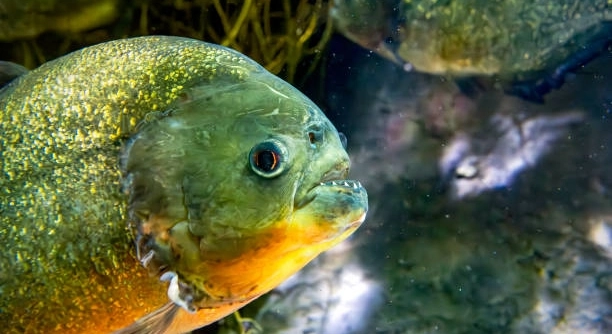
Feeding rituals vary widely across cultures and species, often reflecting unique traditions and behaviors. Some practices may seem unusual or unexpected to those unfamiliar with them. These rituals provide insight into social bonds and survival strategies in diverse environments.
Certain feeding rituals involve complex actions that serve purposes beyond nourishment, such as strengthening social ties, signaling status, or ensuring resource sharing. These behaviors can appear strange but are rooted in cultural or biological functions important for group cohesion or individual survival.
Exploring these unusual feeding customs reveals fascinating aspects of human and animal behavior. Understanding them enriches appreciation for diversity in nature and culture.
Mouth-to-Mouth Feeding Among Birds
Some bird species show a feeding behavior that looks unusual to us: parents regurgitate food directly into their chicks’ mouths. This mouth-to-mouth feeding ensures that the young receive pre-digested, nutritious food that is easier to swallow and digest. The process also allows the parent to feed their offspring even when food sources are scarce or hard to access. This close interaction strengthens the bond between parent and chick, ensuring the young stay close and protected while they grow. Birds like pigeons and some species of songbirds exhibit this ritual regularly, especially during the early stages of their offspring’s development.
This feeding method is essential for the chicks’ survival and growth. It supports efficient nutrition delivery and helps maintain the parent-offspring connection until the young are ready to eat independently.
The behavior highlights the complexity of animal care systems. By directly feeding their young, these birds maximize the chances that their offspring will survive harsh conditions. It also reflects an evolutionary adaptation that balances the challenges of finding food with the need to protect vulnerable chicks.
Feeding Rituals with Sharing Bowls
In some cultures, communal eating using shared bowls or plates is a common ritual. This practice emphasizes social connection and equality among participants. Sharing food from the same dish reinforces trust and community bonds. Often, this is accompanied by specific rules about order, portion size, or the use of certain utensils, which may seem unusual to outsiders.
These rituals encourage cooperation and mutual respect during mealtime. Sharing bowls symbolize unity and collective well-being within the group.
The shared bowl practice often involves more than just eating. It can signal membership in a group or family and promote peaceful interactions by ensuring everyone partakes equally. In some societies, refusing to share or take food first can be considered disrespectful. This custom also minimizes waste and ensures food is distributed fairly. Despite seeming strange to those from individualistic cultures, shared meals create a powerful social fabric that reinforces relationships and cultural identity.
Feeding Through Insects
Some animals rely on insects as an important part of their feeding ritual. This method involves capturing small insects either individually or in groups, often in unusual ways that might surprise many.
Certain birds, like the bee-eater, catch insects mid-air with remarkable precision. Their feeding ritual includes quick, repeated flights to snatch insects and then returning to a perch to consume or feed their young. This behavior not only shows agility but also ensures a steady food supply for their chicks. Other animals, such as anteaters, use their long tongues to collect insects efficiently from nests or colonies. These specialized feeding techniques highlight how animals adapt to their environment to secure nutrition, often using strategies that look peculiar but work well in their natural habitat.
The insect-feeding ritual also plays a role in controlling insect populations. By focusing on certain species, these animals help maintain a balance in their ecosystem. This feeding strategy is essential for their survival and indirectly benefits plant life by reducing pests.
Feeding with Ritualistic Utensils
In some cultures, feeding rituals involve the use of special utensils designed for particular foods. These tools may be crafted from unique materials or shaped in ways that reflect cultural significance.
Such utensils are not only functional but also carry symbolic meaning. For example, certain tribes use carved wooden spoons that represent heritage and identity during communal meals. The act of using these utensils is a way to honor tradition and ancestors. In other cultures, eating with chopsticks follows strict etiquette that reinforces respect and mindfulness during meals. These utensils often dictate the pace and manner of eating, turning a simple act into a meaningful ritual that strengthens cultural ties.
The ritual use of specific utensils shapes the dining experience and influences social interactions. It fosters a sense of belonging and pride in cultural practices. Even when modern tools are available, traditional utensils remain important symbols of heritage and continuity in many societies.
Feeding Through Mouth Carrying
Some animals carry food in their mouths to feed others. This behavior is common in species where cooperation and sharing are essential for survival.
It also helps protect food from theft or loss during transport, ensuring the recipient gets enough to eat without interruption.
Feeding with Pre-Mastication
Pre-mastication involves parents chewing food before feeding it to their young. This softens the food and makes digestion easier for infants. It is a behavior observed in some human cultures and certain animal species. This practice ensures the young receive nourishment safely, supporting their growth during vulnerable stages.
Feeding by Regurgitation
Some species feed their young by regurgitating food. This method allows the transfer of pre-digested nourishment, which is easier for offspring to digest. It ensures that food is delivered efficiently, especially when direct feeding is not possible.
Feeding with Hand Gestures
Certain animals and humans use hand gestures as part of their feeding rituals. These gestures communicate readiness to eat or request food, forming an important non-verbal exchange in social feeding contexts.
What are some of the strangest feeding rituals found in nature?
Many feeding rituals seem unusual because they serve specific functions tied to survival or social bonding. For example, some birds feed their chicks by regurgitating food directly into their mouths. Certain animals share food through complex hand gestures or carry food in their mouths to protect it from others. These behaviors may appear strange but are essential adaptations in their environments.
Why do some animals feed their young by pre-chewing food?
Pre-chewing, or pre-mastication, softens food and starts the digestive process before feeding it to the young. This helps infants digest meals more easily, especially when they cannot chew solid food on their own. It also allows parents to share a wider variety of foods, including tougher or harder items, safely with their offspring.
Are there cultural reasons behind unusual human feeding rituals?
Yes, many human feeding rituals are deeply rooted in culture and tradition. Using special utensils, eating from shared bowls, or following specific eating orders all emphasize community, respect, and social harmony. These rituals often symbolize values like equality and trust, reinforcing bonds within groups or families.
How does mouth-to-mouth feeding benefit bird species?
Mouth-to-mouth feeding in birds ensures that chicks receive pre-digested, nutrient-rich food that is easier to swallow. This method helps feed the young efficiently when food sources are limited or difficult to handle. It also strengthens the parent-offspring relationship by encouraging close contact and care during early development.
Do feeding rituals affect animal survival rates?
Yes, feeding rituals can significantly impact survival rates. Efficient feeding strategies ensure young receive proper nutrition, while rituals that strengthen social bonds can improve cooperation and protection within groups. For example, sharing food fairly reduces conflict and promotes group stability, increasing overall chances of survival.
What role do feeding utensils play in social feeding?
Feeding utensils often carry symbolic meaning beyond their practical use. They reflect cultural identity and heritage, guiding how people eat and interact at the table. Using particular utensils in a ritualistic way promotes mindfulness, respect, and a sense of belonging among participants.
Why do some animals carry food in their mouths instead of eating it immediately?
Carrying food in the mouth protects it from being stolen or lost while moving it to another location or recipient. This behavior is common in species that feed their young or share food within social groups. It ensures that food reaches its intended target without waste or interruption.
How does feeding through insects fit into animal diets?
Insect feeding is a specialized strategy where animals catch or collect insects as a primary food source. Birds like bee-eaters and anteaters rely on this method to obtain protein-rich nourishment. This feeding style helps control insect populations and supports ecosystem balance.
Can feeding rituals indicate social status or hierarchy?
In some cultures and animal groups, feeding behaviors do signal social status. For example, certain feeding orders or sharing practices may reflect rank or respect within a group. These rituals help maintain order and reduce conflict by clearly defining roles and relationships.
Are there health benefits to ritualized feeding practices?
Yes, ritualized feeding often promotes healthier eating habits by encouraging slower, more mindful consumption. It also strengthens social ties, which can reduce stress and improve overall well-being. In animals, feeding rituals ensure proper nutrition and cooperation, which support physical health and longevity.
Do feeding rituals change over time?
Feeding rituals can evolve with environmental changes, cultural shifts, or new survival challenges. Some traditions may fade while others adapt or merge with new practices. This dynamic nature allows species and communities to respond effectively to their changing needs.
What can humans learn from animal feeding rituals?
Animal feeding rituals highlight the importance of cooperation, care, and adaptation in nourishment. Observing these behaviors can inspire more mindful eating, stronger social connections, and respect for natural rhythms. Understanding these practices broadens appreciation for the diversity of life and survival strategies.
Feeding rituals, though often strange or unexpected, serve important purposes in both animal and human life. They help ensure that food is shared fairly, that young ones receive proper nourishment, and that social bonds remain strong. These behaviors may seem odd at first glance, but they have developed over time as effective ways to survive and thrive. Understanding these rituals gives insight into how different species, including humans, adapt to their environments and maintain relationships through food.
Many feeding rituals also carry cultural or social significance. In humans, utensils, hand gestures, or specific manners of eating often reflect traditions passed down through generations. These rituals shape the way people connect during meals, emphasizing respect and belonging. In animals, feeding rituals can help establish social order and cooperation within groups, reducing conflict and promoting group survival. Whether practical or symbolic, these feeding practices play a key role in daily life and community.
Recognizing the variety and purpose behind feeding rituals encourages a broader view of how living beings interact with food. It reminds us that eating is not only about nutrition but also about connection, care, and adaptation. By learning about these unusual feeding habits, we gain appreciation for the complexity of life and the many ways creatures meet their basic needs while strengthening bonds. Such knowledge enriches our understanding of nature and human culture alike.

Hello,
If you enjoy the content that we create, please consider saying a "Thank You!" by leaving a tip.
Every little bit helps us continue crafting quality advice that supports the health, happiness, and well-being of pets around the world, for pets of all shapes, sizes, and species.
We really appreciate the kindness and support that you show us!