
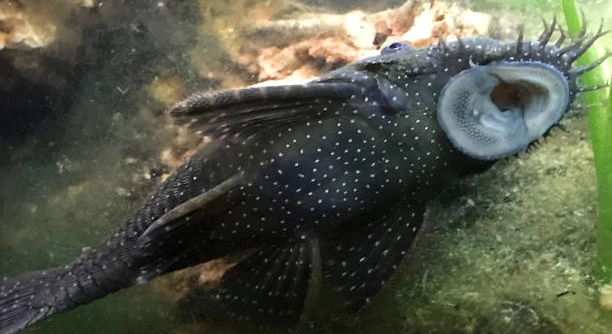
Plecos are fascinating fish with unique sleeping habits that can seem unusual to new aquarium owners. Understanding their behavior is key to ensuring their health and comfort in your tank. Here, we’ll explore these quirky yet normal sleeping patterns.
Plecos exhibit several odd but entirely normal sleeping behaviors, such as resting on surfaces at odd angles or hiding in caves. These actions are part of their natural instincts and help them feel secure and safe in their environment.
These sleeping habits may surprise you, but they are essential to their well-being. Recognizing these patterns will help you better care for your pleco and ensure a healthy, stress-free life for your aquatic friend.
1. Plecos Love Hiding While Sleeping
Plecos often prefer to sleep in dark, hidden spaces like caves, crevices, or behind plants. This behavior is part of their natural instinct to feel secure and protected from predators. They may rest in these secluded spots for extended periods, especially during the day when the aquarium lights are on.
This hiding behavior is common and essential for their peace of mind. It helps them feel safe while resting and avoids potential stressors that could arise from being exposed.
It’s important to offer your pleco a hiding place in the tank. Without this, they may become stressed, which could impact their health. In a well-planted aquarium, plecos will often find a dark corner or a piece of driftwood to sleep under, mimicking the shaded spots they would seek in the wild. It’s also common for them to rest on the tank floor or attach themselves to decorations. As long as they have somewhere to retreat, their sleep should be peaceful and undisturbed.
2. Odd Sleeping Angles
Plecos are known for their ability to sleep at odd angles, such as resting on their sides or even upside down. It can look strange, but it’s completely normal. These fish have flexible bodies, and sleeping in unusual positions doesn’t indicate a problem.
Sleeping at various angles helps them feel more comfortable and secure. It’s part of their unique behavior that keeps them relaxed in their environment. There’s no need to worry if your pleco is found resting upside down. They may be simply in a deep, restful sleep. It’s important to remember that each pleco is different, and their sleep patterns can vary. Some may stay in one spot, while others prefer to move around the tank.
Their unusual positions may also help with digestion or finding better oxygen levels in different parts of the tank. In most cases, this is just part of being a pleco, and as long as your pleco appears healthy, there’s no need to be concerned.
3. Plecos Sleep During the Day
Plecos are nocturnal fish, meaning they are more active at night. During the day, they tend to sleep or rest in quiet, dark areas of the tank. Their body clock is aligned with nighttime activity, so they avoid being out in the open during daylight hours.
If you notice your pleco resting throughout the day, it’s likely because they’re following their natural rhythm. While this might seem odd if you’re used to seeing other fish swimming around during the day, it’s just how plecos function. They’re not lazy; they’re simply conserving energy for their active nighttime routines.
Plecos are less likely to swim around and explore their tank during daylight because they prefer the cover of darkness. It’s important to provide them with a consistent light schedule, with the aquarium lights off at night, so they can rest properly. Understanding this habit will help you realize when your pleco is just following its natural behavior and not experiencing any issues.
4. Hiding in Plain Sight
Sometimes, plecos choose to rest in areas that might not seem ideal. They may settle on the aquarium’s filter or even on the side of the tank’s glass. While it might look strange, this behavior is completely normal and usually isn’t a cause for concern.
The glass or filter areas provide a surface that mimics the rock or tree bark they would rest on in their natural habitat. These spots allow them to stay secure and still have access to water flow, which helps with oxygenation. Plecos are known to attach themselves to the tank’s surfaces, and they may feel more comfortable in these spots than other locations.
As long as they are not upside down or trapped in an odd position for too long, this behavior is nothing to worry about. A pleco that rests on the side of the tank or on the filter is simply finding a comfortable spot to sleep. As long as they are not showing signs of distress, this is just another natural aspect of their routine.
5. Plecos May Rest with Their Mouths Open
It’s not uncommon for plecos to sleep with their mouths slightly open. While this might look strange, it’s a normal part of their behavior. This is often done to allow water to flow through their gills, helping them breathe while they rest.
When plecos sleep with their mouths open, it helps maintain their respiratory function. This is especially important in aquariums where water circulation can be a bit slower. By keeping their mouths open, plecos ensure they’re getting enough oxygen even while they’re in a relaxed state. It’s also a sign that they feel safe and comfortable.
If you notice your pleco’s mouth slightly open during sleep, don’t worry. This is just another natural behavior that keeps them healthy. If they seem overly tired or are showing other signs of distress, that’s when you should be concerned, but mouth-opening sleep is perfectly normal.
6. Plecos Might Sleep in Groups
Although plecos are solitary creatures, there are times when they might sleep near one another. This behavior often occurs in larger tanks with multiple plecos. They tend to rest close to each other, especially if there are plenty of hiding spots available.
When plecos are together, they may form small clusters while they sleep. This can happen when they feel secure in their environment or when there are enough hiding spaces for them to claim. It’s usually seen in more spacious aquariums where the plecos can pick their own spots. This behavior should not be mistaken for social bonding, as plecos are not social fish.
The group sleeping behavior doesn’t mean they’re becoming more social or that they need companionship. It simply means they’re comfortable sharing the space, especially if they all feel safe and secure. As long as they don’t display aggression toward one another, this resting arrangement is harmless.
7. Plecos Can Sleep for Long Periods
Plecos may sleep for long periods, especially after feeding. This long rest is essential for their digestion and energy replenishment. While it may seem like they’re inactive for extended hours, this is just their natural rhythm at play.
Plecos don’t need to sleep all day, but they do rest significantly more than other fish. After a good meal, they may sleep for several hours. This behavior ensures they have enough energy for their nocturnal activities. It’s important to understand that while they sleep a lot, they’re not unhealthy or lazy.
If your pleco has been sleeping for a long time, check the water conditions to ensure there’s nothing wrong. As long as they are not overly lethargic or showing signs of illness, long sleep periods are completely normal and part of their life cycle.
FAQ
Why do plecos sleep so much?
Plecos are naturally nocturnal fish, meaning they are most active at night. During the day, they rest or sleep in hiding spots. Their sleep schedule aligns with their natural behavior to avoid predators and conserve energy for nighttime activities. While it may seem like they sleep a lot, this is just their natural rhythm, and as long as they are otherwise healthy, there’s no reason for concern. Over time, you’ll notice that plecos are most active during the night when they begin foraging or exploring.
Is it normal for plecos to sleep upside down?
Yes, it is completely normal for plecos to sleep in odd positions, including upside down or at unusual angles. Plecos have flexible bodies, and their ability to sleep in different positions is just part of their natural behavior. If they are healthy and not showing signs of stress, sleeping upside down or sideways is nothing to worry about. They might be seeking a spot that feels more secure, or they could be adjusting their position to breathe easier.
Do plecos need to sleep in caves or hiding spots?
Plecos are shy and secretive creatures by nature, so they prefer to sleep in dark, sheltered areas like caves or behind plants. This behavior is instinctive, providing them with a sense of security and protection from potential threats. In the wild, they would naturally find crevices or other hidden spaces to rest. In an aquarium, providing them with these hiding spots is essential for their comfort and overall well-being. Without a place to retreat, your pleco might become stressed, which can affect their health.
How can I tell if my pleco is sick or just sleeping?
It can be tricky to tell the difference between a sick pleco and one that is simply sleeping. However, a healthy pleco will typically have a solid body, clear eyes, and will be responsive when disturbed. If your pleco is just resting or sleeping, it may appear motionless for hours but should still show signs of life when approached. On the other hand, if your pleco is lethargic, discolored, or unresponsive, these could be signs of illness. If you’re unsure, it’s always best to check the water parameters and look for any changes in behavior, such as unusual swimming patterns or loss of appetite.
Why does my pleco sleep with its mouth open?
Plecos may sleep with their mouths slightly open, and this is entirely normal. It allows water to flow through their gills while they rest, ensuring they get enough oxygen even when they’re not actively swimming. In aquariums with good water circulation, this behavior is common and doesn’t indicate any problems. As long as the pleco doesn’t appear distressed, this is just part of their sleep routine. If they are constantly gasping or seem to be struggling with breathing, however, you may want to check the water quality.
Do plecos sleep together in groups?
While plecos are generally solitary fish, it’s not uncommon to see them resting near each other, especially in larger tanks. This behavior typically happens when they feel secure in their environment and there are plenty of hiding spots available. Plecos don’t form social bonds like some other fish, but they may rest close to one another simply because they share similar needs for shelter and security. If plecos appear to be sleeping together, it doesn’t mean they are forming a social group, but rather that they are comfortable in the same environment.
How long do plecos typically sleep for?
Plecos can sleep for several hours during the day, especially after eating. Since they are nocturnal, they conserve energy throughout the day and are most active at night. The amount of time they sleep can vary based on factors such as age, tank conditions, and whether or not they’ve recently eaten. Young plecos may sleep more as they grow, while adults might rest for shorter periods. As long as they’re eating well and maintaining a regular cycle, long sleep periods are just part of their routine.
Is it okay if my pleco sleeps in the filter?
It’s not unusual for plecos to rest on or near the filter in an aquarium. Plecos may seek out these areas because they often provide a stable surface to attach to, mimicking the rocks or tree bark they would rest on in the wild. The filter also keeps water moving, which can help them breathe by ensuring water circulation around them. As long as the pleco isn’t stuck or upside down in a way that could harm them, sleeping near the filter is perfectly normal and shouldn’t be a cause for concern.
Why does my pleco spend so much time in hiding during the day?
Plecos are nocturnal by nature, meaning they are active at night and rest during the day. It’s completely normal for them to spend the majority of daylight hours hidden in caves, behind plants, or resting in dark areas of the tank. This behavior is instinctive, as they would do the same in their natural habitat to avoid predators. As long as the pleco is healthy and comes out at night to feed or explore, this sleeping behavior is nothing to worry about. Make sure your pleco has enough hiding spaces to feel secure and comfortable.
Final Thoughts
Plecos have unique and sometimes odd sleeping habits that can be puzzling to new aquarium owners. From hiding in caves to sleeping upside down, their behavior might seem strange at first, but it is all part of their natural instincts. Understanding these habits is crucial for ensuring they live a healthy and stress-free life in your tank. As nocturnal creatures, they naturally rest during the day and become more active at night, so it’s important not to confuse their sleep patterns with signs of illness. As long as your pleco is showing healthy behavior during its active hours, there’s no need to worry.
Providing your pleco with a suitable environment is key to supporting its natural behaviors. Offering hiding spaces, such as caves or plants, will help them feel secure and comfortable. Plecos are shy fish, and they rely on these dark spaces for rest. Without these hiding spots, they could become stressed or even experience health problems. Additionally, maintaining good water quality and keeping a consistent light and dark cycle will help your pleco follow its natural sleep rhythm. This will help ensure it stays healthy and active when it’s time to explore or feed.
If your pleco sleeps for long periods, stays in odd positions, or keeps its mouth open while resting, these are just part of the species’ typical behavior. Don’t panic if your pleco seems inactive during the day. As long as it looks healthy overall and follows a regular pattern of sleep and activity, these behaviors are nothing to be concerned about. Keeping a close eye on its behavior and making sure the tank conditions are ideal will help your pleco thrive.

Hello,
If you enjoy the content that we create, please consider saying a "Thank You!" by leaving a tip.
Every little bit helps us continue crafting quality advice that supports the health, happiness, and well-being of pets around the world, for pets of all shapes, sizes, and species.
We really appreciate the kindness and support that you show us!