
Do your Plecostomus fish seem to do things that puzzle you? Their quirky behavior is often harmless but can be a little strange to watch. From their suction cup tricks to their peculiar swimming patterns, these behaviors can leave many fish owners curious.
Plecostomus fish often exhibit strange, yet harmless behaviors like suctioning themselves to objects, “surfing” the tank, or hiding in odd places. These actions are natural and typically harmless, reflecting their need for security, food, or comfort.
These behaviors are common in Plecostomus and can help you understand your fish better. With a little knowledge, you can provide a comfortable environment for them to thrive.
Suctioning to Surfaces: What’s Going On?
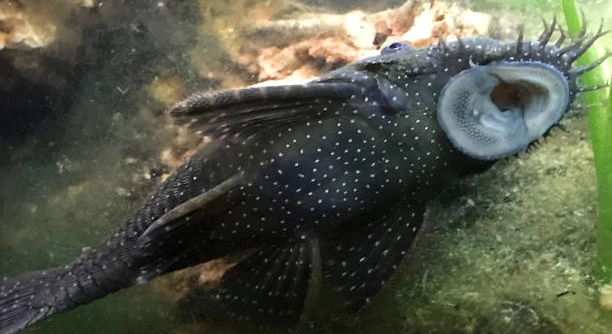
Plecostomus fish are often seen suctioning themselves to surfaces in the aquarium. This behavior is completely natural and part of how they move and explore their environment. Their specialized, disk-like mouth is designed for this, allowing them to attach to rocks, tank walls, and decorations. They use this suction to stay in place while feeding or simply resting. If your Plecostomus seems to cling to the glass, it is just using its natural instincts.
It can also be a sign of comfort. Your Plecostomus may feel secure when suctioned to an object, making it less likely to hide in dark, tight spaces. It’s important to ensure that there are enough surfaces in the tank for this behavior.
While this may look odd, it is part of their feeding process as well. Plecos are known to be algae eaters, and often, they will stay on surfaces to munch on the algae that grow there. So, the next time your Plecostomus sticks to the tank wall, it’s simply in its natural routine.
“Surfing” in the Tank
Another interesting behavior to look for is when your Plecostomus seems to “surf” around the tank, particularly when it swims near the surface. This can happen when the water flow is strong or when the fish is looking for food. These movements aren’t dangerous but rather show how they interact with their environment.
If you have a filter or water current in your aquarium, your Plecostomus may use it to propel itself, enjoying the water movement. It can sometimes appear as if the fish is trying to surf the current, but this is just a natural and harmless action. It helps them move around without expending too much energy.
Hiding in Odd Places
It’s common for your Plecostomus to hide in unusual spots, especially during the day when they feel more vulnerable. They often prefer tight spaces like behind rocks, filter equipment, or even inside decorations. This is completely normal behavior for a Pleco.
If your Plecostomus hides frequently, it may just be looking for safety. Plecos are nocturnal, so they are naturally more active during the night. During the day, they may retreat to a quiet area of the tank to rest and feel secure. It’s important to provide plenty of hiding spots in the tank to help them feel comfortable.
Sometimes, hiding can also indicate stress or poor tank conditions. If your Plecostomus is constantly hiding and not coming out to eat, it’s worth checking the water quality and making sure the tank environment is ideal. Ensure that water temperature, pH, and cleanliness are appropriate to support their health.
“Spinning” or Twisting in Place
Plecostomus may appear to spin or twist in place while swimming. This behavior may seem odd but is typically harmless. It’s often seen when the fish is trying to find food or explore its environment.
This behavior can occur when the Plecostomus is attracted to the current or moving objects in the tank. The twisting motion allows the fish to orient itself to its surroundings, and it may also help the Pleco search for food sources like algae or leftover flakes. This action is part of their feeding strategy and should not be cause for concern.
If the behavior happens consistently, it could also be a sign that your Plecostomus is exploring new places or trying to locate areas where food is abundant. Ensure the tank has enough surfaces and algae for them to feed on, and this behavior will likely reduce.
Laying Down in the Open
It’s not unusual for Plecostomus to rest in the open, even though they are often seen as shy fish. This behavior might seem surprising, but it’s simply part of their routine. When they feel secure in their environment, they may relax on the substrate or the tank bottom.
If your Plecostomus is laying down in the open, it likely feels comfortable and safe in its tank. They are not always hiding or seeking shelter, especially if the tank conditions are ideal. As long as it’s not spending excessive time on its side or showing signs of illness, there’s no need to worry.
Swimming Upside Down
Occasionally, you may notice your Plecostomus swimming upside down. This can be alarming, but it is typically harmless. Plecos are well-known for their ability to right themselves quickly after moments like these.
Plecostomus fish can sometimes swim upside down if they are maneuvering to feed or exploring new areas of the tank. This may also happen when they are near the surface or trying to reach food stuck to the tank’s top. While odd, this behavior is part of their natural curiosity and feeding habits.
Frequent Bottom Dwellers
Plecostomus are naturally bottom dwellers and may spend most of their time along the substrate. This is typical behavior for them as they search for food like algae, leftover fish food, or detritus. The bottom of the tank provides the best environment for their feeding habits.
They often stay near the substrate because it’s where they feel most secure. It’s normal for Plecos to search the bottom for food and rest on it as well. Providing a clean tank and adequate food sources will keep them active and healthy in this area.
FAQ
Why is my Plecostomus staying at the surface of the tank?
Plecostomus fish are bottom dwellers, but sometimes you’ll find them near the surface. This behavior could be a sign that they’re trying to get to the food or oxygen. Plecos are naturally scavengers, so they may be searching for food floating near the surface. Another reason might be poor water oxygenation. If your tank’s oxygen levels are low, your Plecostomus might swim higher to find more oxygen. It’s also worth checking your tank’s filtration system to ensure it’s working properly. If your Pleco spends a lot of time at the surface, make sure the water quality is up to standard.
Why is my Plecostomus rubbing against objects?
Plecostomus rubbing against objects could be a sign of either comfort or irritation. When they rub against decorations or rocks, it’s often just part of their routine as they use surfaces to help remove algae and other debris from their body. However, it could also indicate something is irritating their skin, such as parasites or poor water quality. If the rubbing seems excessive or if there are visible signs of injury, it’s important to check your tank’s conditions and water parameters. You might also want to consider treating for any possible skin issues if the behavior continues.
Is my Plecostomus stressed? How can I tell?
Stress in Plecostomus can manifest through various behaviors. If your Pleco is hiding all the time, not eating, or spending too much time near the surface, it may be stressed. Other signs include rapid swimming, rubbing against objects excessively, or constantly darting around the tank. Stress can be caused by poor water quality, high temperatures, or inadequate tank size. Make sure to monitor the water parameters and ensure your Plecostomus has enough space and places to hide. Keeping the tank clean and consistent in temperature will also help reduce stress.
How can I make my Plecostomus feel more secure?
Providing a well-decorated tank with hiding spots is the best way to make your Plecostomus feel secure. They like to have caves, rocks, and plants to hide behind, as they are naturally nocturnal and prefer a sense of privacy. Adding driftwood can also be beneficial as it mimics their natural environment. Additionally, making sure the water quality is optimal, with stable temperature and pH levels, can help them feel more comfortable. Regular water changes and a proper filtration system are also essential for keeping your Plecostomus stress-free.
Why does my Plecostomus keep swimming in circles?
Plecostomus may swim in circles if they are exploring the tank or searching for food. This is a typical behavior for them, especially if there is algae on the glass or decorations that they want to clean. However, if the circling seems excessive or if the fish appears disoriented, it could indicate a health issue, such as poor water conditions, a parasite, or an infection. It’s important to ensure your Plecostomus is not showing signs of distress or disorientation while swimming in circles. Checking the water parameters and keeping the tank clean will help avoid this behavior.
How much space does a Plecostomus need?
Plecostomus can grow quite large, often reaching 12 to 15 inches in length, so they need a spacious tank to thrive. A minimum tank size for a single Plecostomus is typically 75 gallons, but a larger tank is always better, especially if you have more than one fish. Providing enough space will help prevent stress and aggression, allowing your Pleco to feel comfortable and have room to swim freely. A larger tank also helps with water quality management, as it will be easier to maintain stable conditions.
What should I feed my Plecostomus?
Plecostomus are primarily herbivores, and their diet should consist mainly of algae and plant-based foods. However, they also enjoy eating leftover fish food, vegetables like zucchini, spinach, and peas, and algae wafers. They will occasionally eat protein, but it should not be the primary component of their diet. Ensure you provide a variety of food sources to keep your Plecostomus healthy. If you don’t have enough algae growing in the tank, you may need to supplement their diet with algae wafers or other plant-based foods. Avoid overfeeding, as this can lead to water quality problems.
Why is my Plecostomus not eating?
If your Plecostomus isn’t eating, it could be due to a number of reasons. Stress is a common factor that affects appetite. If there are other aggressive fish in the tank or if the water quality is poor, your Pleco might stop eating. It’s also possible that your Plecostomus is simply not interested in the food available. If you’re feeding them algae wafers and vegetables, try offering different types of food to see if they’re more interested. A change in water temperature or other environmental factors could also affect their eating habits, so check the tank conditions closely.
Is it normal for a Plecostomus to be active at night?
Yes, it’s completely normal for Plecostomus to be more active at night. They are nocturnal creatures, which means they prefer to do most of their feeding and swimming during the night. If your Pleco is mostly inactive during the day but becomes more active after the lights go out, there’s no cause for concern. However, if they are constantly hiding and not coming out at night either, it could be a sign of stress or poor water conditions. Monitor their behavior closely to ensure they’re staying healthy.
Can my Plecostomus live with other fish?
Plecostomus are generally peaceful and can live with other fish, especially species that are also peaceful. They do best in a tank with plenty of space and hiding places to reduce potential territorial behavior. Avoid keeping them with very aggressive fish that might stress them out. Some species, like cichlids, can be too territorial, which may lead to issues with your Plecostomus. Keep in mind that Plecos do better in groups of their own kind, but if you choose to house them with other fish, make sure the tank is large enough to accommodate everyone comfortably.
Final Thoughts
Understanding your Plecostomus and their behaviors can make a big difference in ensuring they stay happy and healthy in your tank. While some of their actions, like suctioning to surfaces or hiding in odd places, may seem strange, they are often natural behaviors that are simply part of their daily routine. Plecos are unique fish with specific needs, so getting familiar with what’s normal and what’s not will help you take better care of them.
It’s important to remember that Plecostomus are nocturnal creatures, and much of their activity happens when the lights are off. They may spend the day resting or hiding in caves or plants, and at night, they become more active, searching for food and exploring their environment. This natural rhythm should be considered when evaluating their health and behavior. If your Plecostomus is staying hidden during the day, but active at night, there’s no need to worry unless other signs of stress or illness appear.
Keeping a close eye on water quality, tank temperature, and providing plenty of hiding spots will go a long way in making your Plecostomus feel safe and secure. Regular maintenance of the tank, including checking the filter and making sure there is enough algae or plant matter for them to graze on, will keep them healthy and reduce the chances of stress or health issues. By observing these simple behaviors and providing the right environment, your Plecostomus will thrive and be a happy, unique part of your aquarium.

Hello,
If you enjoy the content that we create, please consider saying a "Thank You!" by leaving a tip.
Every little bit helps us continue crafting quality advice that supports the health, happiness, and well-being of pets around the world, for pets of all shapes, sizes, and species.
We really appreciate the kindness and support that you show us!