
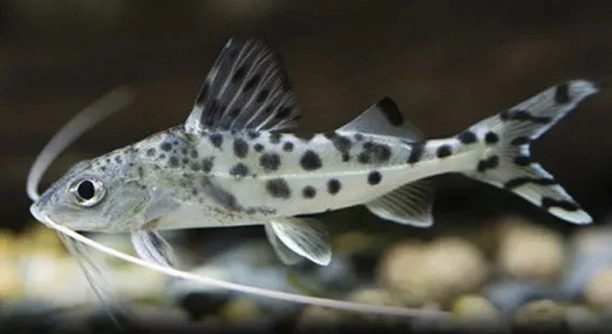
Using air bubbles in an aquarium can help improve water quality and oxygen levels. However, many fish like Pictus catfish are sensitive to too much water movement. It is important to find ways to use bubbles without disturbing them.
Air bubbles can be used effectively by controlling their size, placement, and flow rate to avoid agitating Pictus catfish. Proper adjustment ensures oxygenation benefits while maintaining a calm environment suitable for these sensitive fish.
These simple methods will help you keep your aquarium healthy and peaceful for your Pictus catfish. Let’s explore how to balance bubbles and fish comfort with ease.
Control Bubble Size and Flow Rate
Small bubbles create less disturbance in the water compared to large ones. Using an air stone or diffuser helps produce fine bubbles that move gently. When bubbles are tiny, they dissolve oxygen more efficiently without causing strong currents. This reduces stress on Pictus catfish, which prefer calm water. Adjusting the air pump’s flow rate is also key. Lowering the output slows bubble production and softens water movement. Keeping the flow steady and moderate creates a peaceful environment for the fish while maintaining adequate oxygen levels. Avoid blasting air at full power, which can agitate your catfish and make them hide. With careful control, air bubbles can provide benefits without discomfort.
Properly sized bubbles balance oxygen supply and calm water. This approach supports Pictus catfish health effectively.
Aiming for slow, gentle airflow is a simple way to keep your tank comfortable. Using adjustable equipment makes this easy to achieve and maintain.
Position Air Stones Thoughtfully
Placing air stones near the bottom corner of the tank helps keep bubbles away from open swimming areas. This setup reduces the chance of Pictus catfish encountering strong currents or sudden water movement. It also encourages bubbles to rise slowly through plants or decorations, breaking up the flow further. Positioning air stones behind rocks or driftwood can act as natural barriers that soften water motion. This allows the bubbles to oxygenate the water while providing shelter for your fish. Pictus catfish often prefer hiding spots, so thoughtful placement of bubble sources respects their behavior. Avoid placing air stones directly under tank covers or near filters, where bubbles may be forced into fast-moving currents. Thoughtful air stone location creates a more balanced environment that benefits both water quality and fish comfort. Adjustments can be made gradually to find the best spot that suits your tank’s layout.
Use a Bubble Wand Instead of an Air Stone
Bubble wands create a gentle, even flow of tiny bubbles. They spread bubbles over a larger area without forcing water movement in one spot. This reduces agitation and keeps Pictus catfish calm.
Bubble wands are flexible and easy to position anywhere in the tank. Unlike air stones that produce concentrated bubbles, wands distribute bubbles in a soft curtain, lessening direct water disturbance. This even dispersion helps maintain stable oxygen levels throughout the tank without stressing the fish. The gentle water movement also helps circulate nutrients and prevent dead zones. Many aquarists find bubble wands helpful for tanks housing sensitive fish like Pictus catfish. They provide the benefits of aeration while respecting the fish’s need for peaceful surroundings.
To get the best results, adjust the airflow and wand placement regularly. You can test different setups until you find what works best for your tank. Over time, you will notice your Pictus catfish behaving more naturally and comfortably with this method.
Turn Off Air Bubbles at Night
Pictus catfish are nocturnal and rest during the night. Turning off air bubbles reduces water movement and noise, allowing them to relax.
Reducing bubbles at night mimics natural conditions, where water is often calmer in the dark. This helps Pictus catfish conserve energy and feel safe while resting. Continuous bubbles can stress them by creating unnecessary turbulence when they prefer stillness. Turning off the air pump also lowers noise levels around the tank, creating a more peaceful environment for all aquatic life. Many aquarium owners use timers to automate this process, ensuring bubbles run during the day and pause at night without needing manual intervention. This simple step supports the fish’s natural rhythm and overall well-being.
If turning off bubbles worries you about oxygen levels, know that plants and water surface contact usually maintain enough oxygen overnight. You can monitor fish behavior and water quality to make sure conditions remain balanced.
Add Plants to Break Water Flow
Live plants help diffuse water movement caused by bubbles. They create natural barriers that soften currents. This makes the tank more comfortable for Pictus catfish.
Plants also improve water quality by absorbing nutrients and producing oxygen. Their presence reduces stress and encourages natural fish behavior.
Use a Sponge Filter
Sponge filters provide gentle filtration and aeration with minimal water movement. They use small bubbles that slowly rise through the sponge, creating a calm environment.
This method supports biological filtration and oxygen levels without agitating sensitive fish. Sponge filters are ideal for tanks with Pictus catfish because they balance clean water and peaceful conditions.
Avoid Direct Bubble Streams
Direct streams of bubbles can disturb Pictus catfish by creating strong water currents. Positioning air sources to avoid straight bubble paths reduces agitation.
This small adjustment improves fish comfort and tank harmony by maintaining gentle water circulation.
FAQ
How do air bubbles affect Pictus catfish?
Air bubbles increase oxygen levels but can also create water movement. Pictus catfish prefer calm water and can get stressed by strong currents. Using small bubbles and controlling their flow helps provide oxygen without upsetting the fish. Gentle water movement keeps them comfortable and healthy.
Can too many bubbles harm Pictus catfish?
Yes, too many bubbles cause strong water currents that can stress or tire Pictus catfish. These fish like to rest in quiet areas and sudden water movement can make them hide or act nervously. Limiting bubble output and spreading bubbles evenly reduces this problem.
What is the best equipment for using bubbles with Pictus catfish?
Air stones that produce small bubbles, bubble wands, and sponge filters work well. These options create gentle airflow and avoid large, fast bubbles that disturb fish. Adjustable air pumps let you control the bubble rate to suit your tank’s needs.
Should I run air bubbles 24/7 in a Pictus catfish tank?
It is better to turn off or reduce bubbles at night. Pictus catfish are nocturnal and prefer still water while resting. Turning off air pumps overnight reduces stress and mimics their natural environment. Use timers to automate this process.
How do I place air stones to avoid stressing my Pictus catfish?
Place air stones near the bottom corners or behind decorations like rocks and plants. This placement breaks up the bubble flow and keeps it away from open swimming areas. It creates calmer zones where catfish can relax without strong currents.
Are live plants helpful when using bubbles?
Yes, live plants help break up water flow and reduce strong currents caused by bubbles. They also improve water quality and oxygen levels naturally. Plants create hiding spots and a comfortable environment for Pictus catfish.
What signs show my Pictus catfish is stressed by bubbles?
Signs include hiding more than usual, frantic swimming, or trying to avoid bubble areas. Fish may also appear lethargic or have difficulty resting. If you notice these behaviors, reduce bubble flow or change bubble placement.
Can I use a sponge filter instead of an air stone?
A sponge filter is a great alternative because it provides gentle filtration and slow bubble release. It keeps water clean and oxygenated without causing strong currents. Sponge filters are especially good for sensitive fish like Pictus catfish.
Is it necessary to test different setups for bubbles?
Yes, each tank and fish group reacts differently. Testing various air stone sizes, bubble rates, and placements helps find what works best. Watching fish behavior during changes guides you to create a balanced and peaceful environment.
How do I balance oxygen levels and fish comfort?
Use fine bubbles, control the air pump flow, place air stones thoughtfully, and add plants. Turning off bubbles at night and monitoring fish behavior help maintain good oxygen without stressing Pictus catfish. This balance supports their health and natural habits.
Using air bubbles in an aquarium with Pictus catfish can be very helpful if done carefully. These fish need oxygen-rich water but do not like strong currents or constant agitation. By controlling the size and flow of bubbles, placing air stones thoughtfully, and adding plants, you can create a balanced environment. This helps the fish stay healthy and comfortable without feeling stressed. Small bubbles that rise gently and slow water movement keep the tank peaceful. It is important to watch how your fish react and adjust the bubbles to meet their needs.
Turning off air bubbles at night is a simple but effective way to respect the natural habits of Pictus catfish. They are nocturnal and prefer calm water when resting. Reducing water movement during this time allows them to conserve energy and feel safe. Many aquarium owners use timers to automate this process, making it easy to provide the right conditions without extra effort. Remember that oxygen levels usually stay sufficient overnight because of plants and surface contact, so turning off the air pump will not harm the fish. This practice supports their well-being and creates a more natural living space.
Overall, using air bubbles carefully makes a big difference for sensitive fish like Pictus catfish. It is about finding the right balance between providing oxygen and keeping the water calm. Adjust equipment like air stones, bubble wands, and pumps to gentle settings and watch your fish closely. Adding live plants and hiding spots also helps reduce agitation. Taking these steps improves the health and happiness of your aquarium inhabitants. With patience and simple changes, you can enjoy a peaceful tank where your Pictus catfish thrive.

Hello,
If you enjoy the content that we create, please consider saying a "Thank You!" by leaving a tip.
Every little bit helps us continue crafting quality advice that supports the health, happiness, and well-being of pets around the world, for pets of all shapes, sizes, and species.
We really appreciate the kindness and support that you show us!