
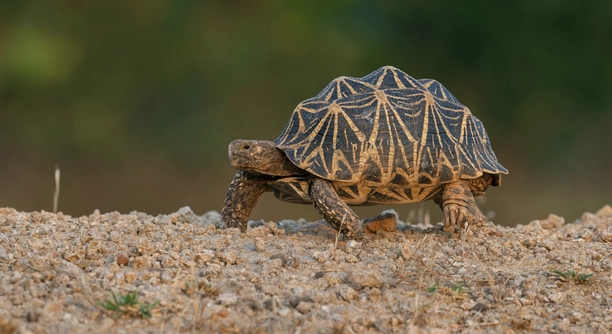
Indian Star Tortoises are known for their unique and beautiful shells. However, over time, their shells can develop discoloration, which may worry their owners. It’s important to understand the causes and remedies for this issue.
Shell discoloration in Indian Star Tortoises can be caused by factors such as poor diet, inadequate lighting, humidity issues, and improper substrate. These factors can result in fungal or bacterial infections, which affect the tortoise’s shell appearance.
Knowing the causes of discoloration can help you prevent it in the future and improve your tortoise’s overall health.
Proper Diet for a Healthy Shell
A balanced diet is essential for maintaining your tortoise’s shell health. Providing the right mix of leafy greens, fruits, and vegetables helps prevent shell discoloration caused by nutritional deficiencies. Foods rich in calcium, like dandelion greens or kale, are vital for shell growth and maintenance. Ensure you are also offering the correct amount of protein, although it should be in moderation.
To avoid any health problems, always research the appropriate foods for Indian Star Tortoises. Overfeeding or underfeeding can both lead to issues, with the wrong diet affecting their shell quality over time.
Consider offering a variety of foods daily to meet their nutritional needs. Supplements like calcium powder or multivitamins can be added to their meals to ensure they are getting everything they need. A proper diet helps your tortoise stay healthy, vibrant, and free from shell discoloration.
Proper Lighting and UVB Exposure
UVB lighting plays a significant role in the health of your tortoise’s shell.
Without proper UVB exposure, your tortoise may develop soft shells or discoloration. Tortoises need UVB light to properly metabolize calcium, and inadequate lighting is a major reason for health issues. Consider using a UVB bulb designed specifically for reptiles to provide them with the necessary light.
Make sure the UVB bulb is replaced regularly, as its effectiveness decreases over time. Position the light close enough to your tortoise’s habitat so it can bask in the light properly. A combination of direct sunlight and UVB lighting is the best way to promote strong, healthy shells.
Maintaining Proper Humidity
Humidity plays a key role in your tortoise’s shell health. Indian Star Tortoises thrive in environments with moderate humidity levels, which helps them maintain strong, healthy shells. Too little humidity can cause their shells to dry out, while excessive humidity can lead to fungal infections.
To regulate humidity, consider using a hygrometer to monitor the levels in your tortoise’s enclosure. Aim for a humidity range of 50-60%. Mist the enclosure regularly, or provide a shallow water dish to help maintain proper humidity. Ensure the enclosure is well-ventilated to prevent mold buildup.
If your tortoise’s shell starts showing signs of cracking or discoloration, it may be due to inadequate humidity. Take steps to adjust the humidity quickly. This will also help prevent any respiratory issues. Keeping the humidity within the recommended range is crucial for their well-being.
Shell Cleaning and Maintenance
Regular shell cleaning can prevent bacteria and fungi from taking hold.
Use a soft brush to gently scrub the shell with warm water. Avoid harsh chemicals or soaps, as these can cause irritation. If you notice any buildup on the shell, like dirt or algae, cleaning it off regularly can help prevent discoloration. Be sure to dry the shell thoroughly after each cleaning.
Shell cleaning also promotes good circulation and helps you monitor any changes in the shell. If discoloration is visible, it may be an early sign of an underlying issue. Consistent cleaning also keeps the tortoise comfortable, as it prevents any dirt from causing irritation or infections.
Avoiding Overexposure to Sunlight
Too much sunlight can damage your tortoise’s shell. While it’s important for them to get some natural light, prolonged exposure to direct sunlight can cause dehydration and burn their shell. This can lead to discoloration, making it appear uneven or faded.
Try to limit the time your tortoise spends outside in direct sunlight. If you do take them outdoors, make sure there is some shade available for them to rest in. Overexposure can also stress your tortoise, so it’s best to monitor the amount of time spent in the sun.
If you notice any signs of sunburn or shell damage, seek shade immediately and bring your tortoise inside.
Proper Substrate Selection
Choosing the right substrate for your tortoise’s habitat is vital for their overall health.
Use a substrate that promotes natural behavior while avoiding material that can cause irritation or fungal growth. Avoid pine or cedar shavings, as their oils can be harmful. Opt for organic soil, coconut coir, or cypress mulch, which keeps the humidity level stable.
By selecting the right substrate, you not only help your tortoise feel comfortable but also prevent issues like shell discoloration caused by improper materials.
Shell Hydration
Hydration is essential for keeping your tortoise’s shell healthy.
Dehydration can lead to a dry, cracked shell. To prevent this, provide a shallow water dish that is easily accessible, and ensure your tortoise is drinking enough water. Regular misting can also help maintain shell moisture.
Keeping your tortoise hydrated helps avoid shell problems while promoting overall health and vitality.
FAQ
How can I tell if my Indian Star Tortoise has shell discoloration?
Shell discoloration in Indian Star Tortoises can appear as yellow, white, or darker spots on the shell. You may also notice areas where the natural pattern fades or becomes uneven. If the discoloration is accompanied by a rough texture or visible cracks, it’s likely a sign of an underlying issue like dehydration or an infection.
What causes shell discoloration in Indian Star Tortoises?
Several factors can contribute to shell discoloration, including poor diet, improper lighting, humidity issues, and infections. Nutrient deficiencies, particularly in calcium, can lead to weak, discolored shells. Inadequate UVB lighting can also cause a lack of vitamin D3, which is essential for calcium absorption and shell health. Humidity levels that are too high or too low can lead to fungal or bacterial infections, further affecting shell color.
How often should I clean my tortoise’s shell?
Cleaning your tortoise’s shell every two weeks is generally sufficient. Use warm water and a soft brush to gently scrub away dirt, algae, or debris. Be sure to dry the shell thoroughly after cleaning to prevent moisture buildup, which can encourage fungal growth. Over-cleaning can cause unnecessary stress, so only clean when necessary.
Can dehydration cause shell discoloration?
Yes, dehydration can cause your tortoise’s shell to dry out, crack, and discolor. A lack of proper hydration affects the shell’s texture, making it more prone to damage. Dehydration can also lead to overall health problems, so it’s important to offer fresh water daily and mist the enclosure to maintain humidity levels.
What is the best diet for preventing shell discoloration?
A diet rich in leafy greens, vegetables, and occasional fruits will provide the necessary nutrients to maintain a healthy shell. Include calcium-rich foods like dandelion greens and collard greens to support strong shell growth. A proper balance of fiber, vitamins, and minerals will ensure your tortoise’s shell remains vibrant and strong.
How can I prevent shell discoloration caused by inadequate lighting?
To prevent shell discoloration from inadequate lighting, make sure your tortoise has access to UVB light for at least 10-12 hours daily. UVB is essential for the absorption of calcium, which directly affects shell health. If natural sunlight is unavailable, invest in a high-quality UVB bulb designed for reptiles. Ensure the bulb is replaced every six months, as its effectiveness decreases over time.
Is shell discoloration reversible?
In many cases, shell discoloration can be reversed if the underlying cause is addressed. For example, improving diet, hydration, humidity levels, and lighting can lead to gradual improvement. However, if the discoloration is due to a fungal or bacterial infection, it may require veterinary treatment. In some cases, the discoloration may be permanent if the damage is extensive.
How do I treat fungal or bacterial infections on the shell?
If you suspect your tortoise has a fungal or bacterial infection, it’s important to consult a veterinarian for proper diagnosis and treatment. Treatment may include antifungal or antibiotic creams or oral medication, depending on the severity of the infection. Keep the enclosure clean and adjust humidity levels to prevent further growth of harmful pathogens.
Can overexposure to the sun cause shell damage?
Yes, overexposure to the sun can cause sunburn and dehydration, which may lead to shell discoloration. It’s essential to provide your tortoise with both sunlight and shade in its outdoor enclosure. If you notice any redness or signs of burn on the shell, move your tortoise to a shaded area immediately and keep it indoors until it heals.
How do I maintain proper humidity for my tortoise?
To maintain the right humidity, use a hygrometer to monitor the levels in your tortoise’s enclosure. The ideal humidity range for Indian Star Tortoises is around 50-60%. Mist the enclosure regularly or provide a shallow water dish to keep the environment humid. Ensure the enclosure has proper ventilation to prevent mold growth.
Is it okay to use a heat lamp instead of UVB light?
While heat lamps are useful for providing warmth, they do not emit UVB rays necessary for calcium absorption. UVB lighting is crucial for maintaining shell health, so it’s best to use both a heat lamp for warmth and a separate UVB bulb for proper lighting. Make sure both are positioned correctly to provide your tortoise with the right balance of light and warmth.
Can shell discoloration be a sign of something more serious?
Yes, shell discoloration can sometimes indicate a more serious health problem, such as a fungal or bacterial infection, metabolic bone disease, or dehydration. If the discoloration is accompanied by other symptoms like lethargy, weight loss, or abnormal behavior, it’s important to seek veterinary attention right away to ensure proper treatment.
What are the signs of a healthy tortoise shell?
A healthy Indian Star Tortoise shell should be smooth, hard, and free of cracks, discoloration, or deformities. The color should be rich and vibrant, with the natural patterns clearly visible. Regularly inspecting your tortoise’s shell will help you detect any changes early and prevent potential issues from becoming serious.
Final Thoughts
Taking care of your Indian Star Tortoise’s shell is an important part of ensuring its overall health and well-being. Shell discoloration can be caused by a variety of factors, including diet, lighting, humidity, and infections. By keeping track of these elements and adjusting as needed, you can help prevent and manage any issues that might arise. It’s also essential to maintain a clean and comfortable habitat for your tortoise, where they can thrive in the best possible conditions.
Providing a balanced diet with plenty of calcium-rich foods is one of the key ways to prevent shell discoloration. Along with good nutrition, make sure your tortoise has access to adequate UVB light, which helps with calcium absorption. Proper lighting is crucial for preventing metabolic bone disease and other health problems. If you notice signs of discoloration or changes in behavior, it’s always best to consult a vet to get a proper diagnosis and treatment plan. Early detection can make a big difference in the outcome.
Remember, consistency is key when caring for your tortoise. Small changes, like adjusting humidity levels or offering a variety of foods, can have a big impact over time. Staying aware of their environment and making necessary changes as soon as you notice any issues can help maintain the health of your tortoise’s shell. By taking a proactive approach to their care, you can ensure that your tortoise stays happy, healthy, and free from shell discoloration.

Hello,
If you enjoy the content that we create, please consider saying a "Thank You!" by leaving a tip.
Every little bit helps us continue crafting quality advice that supports the health, happiness, and well-being of pets around the world, for pets of all shapes, sizes, and species.
We really appreciate the kindness and support that you show us!