
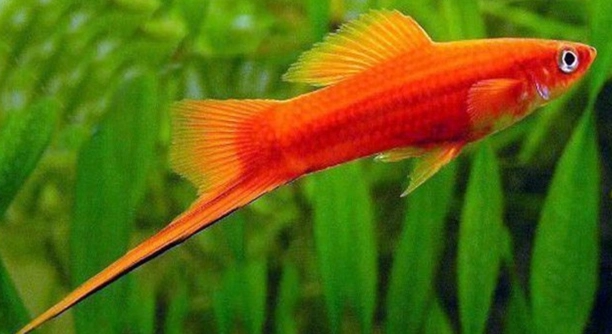
Is your swordtail spending more time swimming away from food than actually eating it? Many fish owners deal with picky or distracted swordtails who seem uninterested in their meals, leading to concern and confusion.
The most effective way to train your swordtail to eat more is by adjusting feeding times, reducing stress, and offering a consistent, varied diet. Monitoring tank conditions and creating a calm environment are also essential for long-term success.
Learning how to make small changes in your feeding routine can improve your swordtail’s appetite and overall well-being.
Start with a Consistent Feeding Schedule
Swordtails respond well to routine. Feeding your fish at the same times each day helps them recognize when to expect food. This predictability can make them more active and willing to eat when you approach the tank. Keep the feeding times consistent, even on weekends. Avoid overfeeding or skipping days unless necessary. Observing their eating patterns can help you find the most effective feeding window. Some swordtails prefer mornings, while others show more activity in the evening. Use a timer or set reminders if you need help staying consistent. The more regular the schedule, the more confident and responsive your swordtail will become. A reliable routine also helps reduce tank stress. This is especially helpful if you share your tank with other fish that may outcompete swordtails for food. Consistency builds trust, and trust encourages eating. Stick with it, and your swordtail’s behavior will likely begin to shift.
Sticking to a clear routine reduces stress and helps your swordtail connect feeding time with a positive experience.
After a few weeks on a schedule, you may notice your swordtail swimming to the surface or toward you when it’s time to eat. This is a good sign. It shows that your fish is anticipating food, which means they are becoming more comfortable with the routine. In some cases, swordtails that were once shy or picky can become eager eaters simply by having structure in their day. If you miss a feeding, don’t overcompensate later—just stay on track. Keeping a log of their eating habits can help, especially if you live in a busy household. Over time, you’ll see a noticeable change in appetite and feeding behavior. Swordtails that know when food is coming are usually more focused during meals and less distracted by their surroundings. Routine feeding also makes it easier to spot health issues early, like changes in appetite or energy.
Offer Smaller Portions More Frequently
Swordtails can feel overwhelmed by large amounts of food, especially in community tanks. Offering smaller meals a few times a day can help them feel less rushed and more willing to eat.
Breaking up feedings into two or three smaller sessions can encourage steady eating without making your fish feel stressed or overloaded. This method gives them time to eat at their own pace and can reduce leftover food, which may pollute the tank. You can test different portion sizes by watching how much they consume in a minute or two. If there’s food left floating or sinking after that, you’re probably feeding too much. Smaller portions also help balance nutrition throughout the day, which is good for growth and energy. If your schedule allows it, morning and early evening feedings tend to work best. Over time, you’ll notice a more enthusiastic response and a cleaner tank. This change doesn’t require much effort but can make a big difference.
Keep the Tank Environment Calm
Sudden movements, bright lights, or noisy surroundings can make your swordtail too anxious to eat. A calm tank helps them feel safe, which makes them more likely to show interest in food and eat regularly.
Swordtails are sensitive to their environment. If the tank is placed in a high-traffic area or exposed to loud sounds, it can affect their appetite. Try to keep their space peaceful, with soft lighting and a stable temperature. Avoid tapping on the glass or moving decorations too often. Adding plants or hiding spots can also reduce stress. When your fish feels safe, it will spend more time exploring and eating. Make sure tank mates are not aggressive or overly dominant. An active or stressful tank may cause swordtails to hide or ignore food. Creating a calm and stable environment helps your swordtail feel more secure and more focused on feeding.
Watch how your swordtail behaves before and after feeding. If they dart around or hide during meals, stress might be the reason. Try adjusting the light levels, adding gentle filtration, or rearranging hiding spots to give them more comfort. Sometimes, it helps to feed at quieter times of the day when there’s less household activity. Small changes can make a big difference in your swordtail’s mood and eating habits. If other fish are bothering them, consider separating them temporarily during feedings. Stress doesn’t always show up right away, but it often leads to poor eating and low energy over time. Keeping things quiet and steady is one of the easiest ways to support better feeding behavior in your swordtail.
Use High-Quality and Varied Food
Offering the same food every day can lead to boredom or nutritional gaps. A variety of quality foods, like flakes, pellets, and frozen or live options, can help encourage better eating and provide balanced nutrition.
Swordtails can get tired of repetitive meals, especially if the food doesn’t meet their dietary needs. Choose food specifically made for tropical fish and mix in options like brine shrimp, bloodworms, or daphnia once or twice a week. These additions are not only nutritious but also stimulate your swordtail’s natural hunting and feeding instincts. Flakes and pellets are convenient, but rotating brands and formulas can keep things interesting. Avoid overfeeding with treats, though—it’s best to use them in small amounts. Watch how your swordtail reacts to different foods and adjust based on their preferences. Good nutrition boosts energy, color, and overall behavior, which includes appetite and feeding activity.
Some swordtails prefer certain textures or food types over others. You might notice them ignoring flakes but quickly snapping up live brine shrimp. If that’s the case, it doesn’t mean something is wrong—they just have personal preferences. Try a feeding rotation every few days to keep meals engaging. Frozen foods are often a hit and easy to keep on hand. You can also soak dry foods in tank water for a few minutes to make them softer and easier to digest. Just make sure not to mix too many foods at once, as it can lead to overeating or water quality issues. Pay attention to what gets eaten and what sinks untouched—this tells you a lot about what your swordtail enjoys.
Soften the Food if Needed
Some swordtails struggle with hard or large food pieces. Soaking dry flakes or pellets in tank water for a few minutes makes them softer and easier to eat, especially for younger or smaller fish.
Softening food can also reduce the risk of digestive issues. When food is too tough, it may pass through undigested or get ignored completely. Soaked food sinks slower, giving swordtails more time to notice and eat it.
Observe and Adjust Based on Behavior
Watch how your swordtail reacts during and after feeding. If they spit food out, ignore it, or seem uninterested, you may need to switch the type or size of food. Observation helps you fine-tune your approach. Some swordtails eat better alone or in quieter moments, so feeding one-on-one in a separate space might work better. You can also reduce feeding time to avoid uneaten food polluting the water. Adjust based on patterns you see. If your swordtail becomes more active and eats more consistently, you’re likely on the right track.
Keep the Water Clean
Dirty water makes fish lose their appetite. Regular water changes, proper filtration, and checking for ammonia or nitrate spikes can support healthy feeding behavior. A clean tank keeps your swordtail healthier and more likely to eat.
FAQ
Why is my swordtail not eating?
There are several reasons why your swordtail might not be eating. Stress from a noisy environment, tankmates being too aggressive, or poor water conditions can all cause them to lose their appetite. Swordtails also prefer a consistent feeding schedule. If there’s too much variety or the food is not appealing, they may ignore it. Make sure the water temperature and pH are within the appropriate range for swordtails—anything outside of their ideal conditions can cause them to stop eating. Also, if they’re sick or injured, they may have a reduced appetite. Observation is key, as the problem might be more specific than you think.
How often should I feed my swordtail?
Swordtails do best with small meals given 2-3 times a day. Overfeeding can lead to waste buildup and poor water quality, while underfeeding can lead to malnutrition. You want to offer a portion that your swordtail can finish in about 2-3 minutes. Regular feeding helps establish a healthy routine, making your fish more comfortable with eating. If you’re using live or frozen food, aim to feed them at least once a day, while dry food can be offered more frequently.
Can I feed my swordtail only flakes?
Feeding your swordtail only flakes can lead to a monotonous diet, potentially missing key nutrients that they need. Flakes are convenient, but they lack the variety that swordtails benefit from in the wild. Offering a mixture of flakes, pellets, and occasional live or frozen foods like brine shrimp or bloodworms helps provide a balanced diet. If you feed only flakes, try rotating brands or mixing in other types of food to keep your swordtail interested and healthy.
How do I know if my swordtail is sick and not just picky?
A swordtail that’s sick may show signs like sluggishness, abnormal swimming behavior, clamped fins, or discoloration. If your fish has a reduced appetite but still behaves normally and swims actively, it’s more likely a picky eater than a sick one. However, if you notice other symptoms like white spots on the body, bloated abdomen, or abnormal breathing, it could be a sign of illness. Monitor your fish closely and make sure their tank environment is clean and stable to reduce the chance of disease. If symptoms persist, it’s best to consult an expert.
Can water temperature affect my swordtail’s eating habits?
Yes, water temperature plays a significant role in your swordtail’s feeding behavior. Swordtails are tropical fish, and they thrive in water temperatures between 72°F and 82°F (22°C to 28°C). If the water is too cold, they may become sluggish and uninterested in food. Conversely, too high a temperature can cause stress and reduce their appetite. Keep a reliable aquarium heater to maintain the optimal temperature range and check regularly to ensure consistency. If you notice your swordtail losing interest in food, double-check the temperature and make adjustments if needed.
Should I feed my swordtail live food?
Feeding live food is a great way to mimic the swordtail’s natural hunting instincts. Live foods like brine shrimp, daphnia, or blackworms are nutrient-rich and can help boost your swordtail’s health and activity levels. However, live foods should be fed in moderation, as they can carry parasites or diseases if not sourced from reputable suppliers. Always rinse live foods before offering them to your fish, and remember that while swordtails enjoy live food, it should not replace their main diet of flakes or pellets.
How long can swordtails go without eating?
Swordtails can typically go for several days without food, though it’s not ideal to let them fast for extended periods. Young swordtails, or those under stress, should not be left without food for more than two days. Adult swordtails may survive longer, but it’s important not to allow them to skip meals regularly, as this can affect their health. If you notice a decrease in appetite for more than a few days, investigate possible causes like water quality or environmental stress.
Do swordtails need special supplements or vitamins?
In most cases, swordtails don’t require special vitamin supplements if they’re fed a balanced and varied diet. A high-quality tropical fish food should cover their nutritional needs. However, if you’re feeding mostly dry food or your swordtail is not eating well, you might consider supplementing with vitamin-rich foods like spirulina or algae pellets. These can help boost their immune system and provide extra nutrients, especially if the diet is lacking in variety.
Can I feed my swordtail vegetables?
Yes, swordtails can benefit from the occasional vegetable addition to their diet. Vegetables like spinach, zucchini, or peas can be offered as a supplement to their usual food. Make sure to blanch the veggies to soften them before offering them to your swordtail. Vegetables help provide fiber and additional nutrients that dry food alone may lack. However, vegetables should only be offered in moderation, as they can cause water pollution if left uneaten.
Why is my swordtail not eating when I first introduce it to the tank?
When you first introduce a swordtail to a new tank, it may take some time for them to adjust. A new environment can be stressful, and your swordtail may need a few days to acclimate. It’s important to avoid overcrowding the tank, as this can increase stress levels. Keep the lights dim and give your swordtail some quiet time. You can also try offering smaller, softer meals to help them adjust. It’s normal for swordtails to be hesitant in a new tank, but they should begin eating once they settle in.
Final Thoughts
Training your swordtail to eat more is about consistency and creating the right environment. Swordtails, like many fish, are creatures of habit, so a regular feeding schedule can make a significant difference. When you establish a routine, your swordtail will become more confident and comfortable with mealtimes. The consistency helps them understand when to expect food, and over time, this encourages them to eat more regularly. It’s also essential to provide a variety of food types to keep them interested. Swordtails can be picky if they’re fed the same food daily, so offering a mix of flakes, pellets, and occasional live or frozen food will help keep their diet balanced and exciting.
Additionally, the tank environment plays a crucial role in your swordtail’s feeding behavior. Swordtails are sensitive to stress, and if their environment is too noisy, crowded, or unstable, they may lose interest in eating. Maintaining calm surroundings, a stable water temperature, and keeping the tank clean are all important factors that contribute to a healthy and happy fish. If your swordtail is stressed, it’s less likely to focus on food. A peaceful tank helps your fish feel secure, which makes them more likely to eat when offered food. Keep an eye on their behavior and adjust the tank conditions to suit their needs.
Finally, it’s important to remember that every swordtail is unique, and some may take more time to adapt to new feeding habits. Patience is key. You may need to try different food types, portion sizes, or feeding schedules before finding what works best for your swordtail. Monitoring their health and feeding patterns regularly will give you a good idea of what they need. With time, you’ll be able to create a feeding routine that works, ensuring your swordtail stays healthy and well-fed.

Hello,
If you enjoy the content that we create, please consider saying a "Thank You!" by leaving a tip.
Every little bit helps us continue crafting quality advice that supports the health, happiness, and well-being of pets around the world, for pets of all shapes, sizes, and species.
We really appreciate the kindness and support that you show us!