
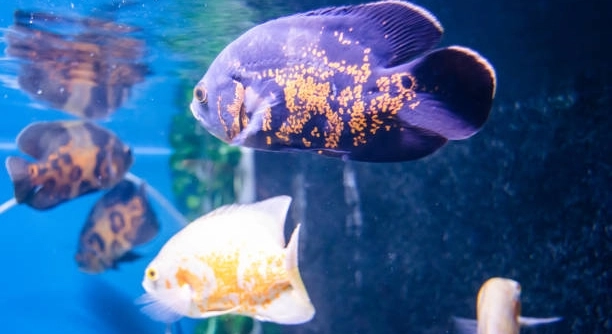
Oscar fish are beautiful, but they need plenty of space to thrive. A cramped tank can cause them stress, leading to health problems and poor behavior. It’s important to know how to check if their tank is suitable.
The simplest way to test if an Oscar tank is too cramped is by observing their behavior. If the fish appear stressed, swim in circles, or frequently bump into walls, the tank may be too small for them.
There are several signs you can look for to assess if your Oscar fish’s tank is the right size. Understanding these signs will help you create a healthier environment for them.
Observing Your Oscar’s Swimming Patterns
One of the first signs that your Oscar fish might be in a cramped tank is how it swims. Oscars are large and active fish, and they enjoy having space to move around. If you notice that your fish constantly swims in circles or seems to bump into the tank’s walls frequently, this could be a sign that it’s not getting enough room. Oscars need a lot of space to swim freely. A tank that’s too small can make them feel trapped and stressed. These stress behaviors can lead to a variety of health problems, from weakened immune systems to behavioral issues.
Fish that swim aimlessly or scrape their bodies against objects often suffer from anxiety. This restlessness is common when their environment feels too confined. If you see your Oscar consistently acting this way, it might be time to evaluate the size of its tank. Consider upgrading to a larger one if necessary.
A stressed Oscar can also develop other signs like flicking its fins or losing its usual appetite. These are often linked to anxiety caused by being in too tight a space. When an Oscar doesn’t have enough room to move naturally, it can lose the joy of swimming freely, which impacts its overall well-being.
Watch for Territorial Behavior
Oscar fish are known for their territorial nature. When the tank is too small, their need for space can make them more aggressive. This aggression may not only be directed at other fish but can also show as defensive behavior toward the tank’s decorations or walls.
If you have multiple Oscars or other tank mates, the cramped space can lead to fights. An overcrowded environment forces fish to compete for space and resources. In extreme cases, this can result in injury. Ensuring your Oscar has enough space to stake its territory reduces stress and aggression. This, in turn, helps maintain peaceful coexistence with other fish.
Aggression can escalate if Oscars don’t have enough room. They may display more dominant behavior by chasing other fish around. In smaller tanks, this is more likely to happen, which could lead to damaged fins or other injuries. Additionally, their aggression can make other fish stressed and anxious, creating an unhealthy ecosystem.
Signs of Stress in Your Oscar Fish
Stress is one of the biggest indicators that your Oscar’s tank may be too small. Oscars, like all fish, show clear signs when they’re feeling uncomfortable. These signs often include erratic swimming, loss of appetite, and even hiding. If your Oscar is staying in one corner or near the tank’s surface, it could be due to lack of space or the pressure of overcrowding.
When Oscars are stressed, their immune systems weaken, making them more susceptible to diseases. You may notice your fish becoming sluggish or not responding to feeding times as usual. A lack of interest in food can be a result of being constantly stressed by the confines of a small space. Stress can also lead to more visible issues, such as discoloration or fin deterioration.
A fish that feels unsafe will often retreat to corners or hidden spots in the tank. This kind of behavior indicates that your Oscar is avoiding open areas, a clear sign that it feels trapped. By giving your Oscar more space, it will feel less stressed, and its behavior should improve.
Tank Size and Growth
Oscar fish grow quickly and can reach lengths of up to 18 inches. As they grow, they require more space. A tank that is too small can stunt their growth and lead to unhealthy living conditions. A good rule of thumb is that Oscars need at least 55 gallons of water for one fish, but larger tanks are even better.
When Oscars don’t have enough space to grow, their organs can become compressed, affecting their health in the long term. Over time, being kept in a small tank can cause them to become malnourished or even lead to organ failure. Additionally, the lack of space can prevent the Oscar from reaching its full size, limiting its lifespan. A tank that’s too small can also result in poor water quality, which adds stress and further hinders growth.
To promote healthy growth, make sure your Oscar has adequate space to move freely. As they grow larger, you’ll need to upgrade their tank size. Providing an environment that supports their natural growth is essential for their well-being and longevity. The larger the tank, the better the quality of life for your Oscar.
Tank Cleaning and Maintenance Challenges
A cramped tank makes cleaning more difficult. In a small space, waste can accumulate more quickly, leading to poor water quality. Regular cleaning becomes essential to prevent the build-up of harmful toxins, but even then, the tank may still feel dirty, which adds stress to your Oscar.
Water quality issues can arise faster in a small tank, especially with the larger waste Oscars produce. Keeping up with maintenance becomes much harder when there isn’t enough space for proper filtration. Poor water conditions can trigger disease and stress, leaving you with a sick fish that’s harder to care for.
Maintaining a healthy tank environment becomes a constant challenge if your Oscar is in a cramped space. Cleaning is vital, but the lack of room for proper filtration makes it harder to maintain stable water quality. You’ll need to work harder to keep the tank clean, adding to the stress.
Space for Decorations and Hiding Spots
In a small tank, there’s limited room for decorations or hiding spots, both of which are important for your Oscar’s well-being. Oscars are naturally curious and like to explore their environment. Without enough space to add objects, they might feel more exposed.
Decorations and hiding spots are essential for reducing stress and giving Oscars a sense of security. Even a few small items in a larger tank can make a big difference in their comfort. It’s important to give them a space where they can hide if they need to, which helps them feel more at ease.
FAQ
How big should my tank be for an Oscar fish?
The minimum tank size for one Oscar fish should be 55 gallons. However, as the fish grows, it will require more space, so a 75-gallon tank or larger is ideal for adult Oscars. If you plan on keeping more than one Oscar, you should aim for at least 75 gallons for two fish. Oscars are large, active fish, and a cramped environment can stress them out, leading to potential health problems. Providing adequate space is crucial for their growth and well-being.
Can I keep more than one Oscar fish in the same tank?
Yes, but it’s important to consider tank size and the individual personalities of the Oscars. Keeping two Oscars in the same tank requires a minimum of 75 gallons. They can be territorial, especially in smaller spaces, and conflicts may arise if the tank is overcrowded. Proper hiding spots, ample space, and observation of their behavior will help maintain a peaceful environment. Make sure to monitor their interactions to prevent aggressive behavior.
What happens if an Oscar tank is too small?
If an Oscar tank is too small, the fish will likely experience stress. This can lead to swimming in circles, bumping into the tank walls, and even aggressive behavior. Stress from cramped conditions can weaken their immune system, making them more prone to illness. They may also become lethargic, have a reduced appetite, or display abnormal behaviors. Overcrowded tanks also lead to poor water quality, which further impacts the health of the fish.
How often should I clean my Oscar’s tank?
The frequency of cleaning depends on the size of the tank and the number of fish. For a single Oscar in a 55-gallon tank, you should aim for a partial water change every 1-2 weeks. In smaller tanks or if you have more than one fish, cleaning might need to be done more often. Regularly check the water quality, and make sure to remove any uneaten food, waste, and debris to prevent ammonia build-up. It’s also important to clean the filter to ensure it’s working properly.
Can Oscars live with other fish?
Yes, Oscars can live with other fish, but they should be kept with larger species that can handle their aggressive nature. Avoid keeping Oscars with small or peaceful fish, as they may become targets for bullying or eating. Good tank mates for Oscars include other large, robust fish like Jack Dempseys or some species of catfish. However, always ensure that the tank has enough space to accommodate all the fish comfortably. Overcrowding can lead to aggression and stress.
How can I tell if my Oscar is stressed?
Stressed Oscars may show a variety of signs. One of the first signs of stress is erratic swimming patterns, such as swimming in circles or rubbing against tank decorations. Oscars may also lose their appetite, which is a clear indicator that something is wrong. They may hide more often or seem lethargic. In some cases, they might develop physical symptoms like damaged fins or skin discoloration. Keeping an eye on their behavior and environment is key to preventing stress.
Why is my Oscar fish not eating?
If your Oscar is not eating, there could be several reasons. A common cause is stress, often due to overcrowding, poor water quality, or incompatible tank mates. Make sure your tank is the appropriate size and that the water conditions are optimal. Oscars may also stop eating if they are ill, so check for any other signs of disease, like changes in behavior or physical appearance. Sometimes, a change in diet or feeding schedule might be necessary to get them to eat again.
Can Oscars be kept in a tank with plants?
Yes, Oscars can be kept in tanks with plants, but it’s important to choose hardy, fast-growing plants that can withstand their behavior. Oscars are known for uprooting plants or nibbling on them, so delicate plants might not survive. Strong plants like Anubias, Java Fern, or Amazon Sword are good options. You’ll also want to make sure that the plants don’t take up too much space, as the Oscar needs room to swim.
How do I improve water quality in a small tank?
Improving water quality in a small tank can be more challenging, but it’s essential for the health of your Oscar. First, make sure you have a good filtration system that is adequate for the tank size. Regular water changes are critical, but in smaller tanks, you may need to change the water more frequently. Consider adding a powerful filter, as well as an aerator to help oxygenate the water. Keep an eye on the ammonia, nitrite, and nitrate levels, and use test kits to monitor the water quality regularly.
Why is my Oscar swimming at the top of the tank?
If your Oscar is swimming at the top of the tank, it could be a sign of poor water quality, particularly low oxygen levels. It’s also possible that the tank is too small, causing the fish to seek the surface for more space. Another reason could be that the Oscar is trying to get food from the surface or is reacting to changes in the water. Check the water temperature, pH, and oxygen levels, and make sure the filtration system is working properly. If the issue persists, it may be time to upgrade the tank.
Final Thoughts
Ensuring your Oscar fish has enough space is essential for its well-being. Oscars are large, active fish that require a spacious environment to thrive. When their tank is too small, they can experience stress, aggression, and health issues. Observing your Oscar’s behavior and being mindful of the tank size can make a significant difference in its quality of life. If you notice signs of stress, such as constant swimming in circles or a loss of appetite, it may be time to reconsider the tank size or make other adjustments to the environment.
The tank’s size plays a critical role in not only the Oscar’s physical health but also its mental and emotional well-being. A cramped space can affect the fish’s behavior and lead to aggressive tendencies, which can disrupt the peaceful nature of the tank. By providing enough room, you ensure your Oscar has the freedom to swim comfortably, stake its territory, and avoid constant stress. Moreover, giving them access to hiding spots and decorations can help reduce anxiety and make the tank feel more like a natural habitat.
Finally, maintaining a suitable tank size also helps with easier cleaning and better water quality. When the tank is overcrowded or too small, waste builds up quickly, making it harder to keep the water clean. With a larger tank, filtration systems work more efficiently, and regular water changes become easier to manage. A balanced and clean environment is vital for your Oscar’s health, as poor water conditions can lead to disease and other complications. Providing the right space and taking care of the tank ensures a long, healthy life for your fish.

Hello,
If you enjoy the content that we create, please consider saying a "Thank You!" by leaving a tip.
Every little bit helps us continue crafting quality advice that supports the health, happiness, and well-being of pets around the world, for pets of all shapes, sizes, and species.
We really appreciate the kindness and support that you show us!