
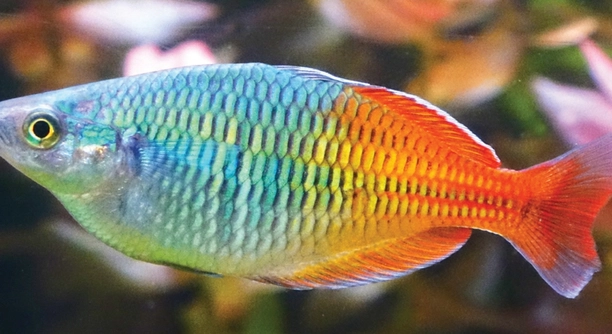
Rainbow fish are known for their vibrant colors and peaceful nature. Understanding when they feel comfortable in their environment can help ensure their health and well-being. Observing their behavior provides key clues to their comfort level.
The comfort of rainbow fish can be assessed by noting their relaxed swimming patterns, bright colors, and engagement with tankmates. If they remain calm and active, without hiding or showing signs of stress, they are likely comfortable.
Recognizing these signs is essential for maintaining a healthy environment for your rainbow fish.
Signs of Rainbow Fish Relaxation
Rainbow fish show when they feel at ease by their activity in the tank. You’ll notice they swim with a smooth, unhurried rhythm, often moving around freely without showing signs of anxiety. Their colors will remain vibrant, an important indicator of their well-being. When they are calm, rainbow fish don’t dart away from movements outside their tank, and their fins remain unruffled. In addition, they won’t hide in the corners or behind decorations, which is a sign that they’re feeling secure in their space. It’s vital to monitor these behaviors, as changes could indicate stress or discomfort.
When rainbow fish are content, they will engage with their surroundings and their tankmates. A peaceful tank environment is essential for their happiness, and seeing them swim actively is always a good sign.
Understanding these behaviors helps in adjusting their environment to suit their needs. This could involve altering tank lighting or ensuring they have plenty of space to move around without being crowded.
Socializing With Tankmates
Rainbow fish are not solitary creatures, and they thrive in groups. A key sign that they are comfortable is their willingness to interact with other fish. If you notice them swimming alongside others, especially during feeding or in open areas, it’s a clear indication they feel secure.
It’s important to remember that while rainbow fish enjoy companionship, overcrowding can cause stress. Ensure your tank is spacious enough to allow movement and avoid tension between fish. If you have a larger group of rainbow fish, they will often engage in playful behaviors, such as chasing or nudging each other, which signifies a relaxed, healthy social dynamic.
By maintaining a balance in the number of tankmates and ensuring the environment remains stable, your rainbow fish will enjoy an active and social life. Keep an eye on any changes in behavior, as this can offer valuable insight into their overall comfort.
Water Quality and Temperature
Rainbow fish are sensitive to changes in water quality. A stable environment is essential for them to feel comfortable. Keep the water parameters in check, such as temperature, pH, and ammonia levels. These factors directly affect their health and behavior. They prefer water temperatures between 72-78°F (22-26°C), and when the water is within this range, they are less likely to show signs of stress.
Good filtration and regular water changes help maintain optimal water quality. If the water becomes too dirty or the temperature fluctuates too much, the fish may retreat to corners or hide, signaling discomfort. Consistency in water conditions supports their relaxation.
You can also use a thermometer to monitor temperature regularly, ensuring it remains stable. Poor water conditions can lead to stress, which will affect their appearance, with dull or faded colors being an immediate sign that they are not comfortable. Always stay on top of water maintenance to prevent issues.
Feeding Habits
Rainbow fish are active eaters. When they are comfortable, they will actively approach food and eat without hesitation. Healthy fish will swim eagerly to the surface during feeding times and will consume food without delay. They don’t shy away from food, and their appetite remains consistent.
It’s important to offer them a balanced diet that matches their nutritional needs. They benefit from a mix of high-quality flakes, pellets, and occasional live or frozen foods. Overfeeding can lead to water quality issues, but underfeeding may result in them feeling stressed, making them less active.
A well-fed rainbow fish will swim confidently around the tank and interact with other fish. If you notice a decrease in feeding or if they seem hesitant, it may be a sign that something is wrong. Addressing feeding issues early helps prevent stress.
Tank Size and Space
Rainbow fish thrive in tanks with enough space to move freely. A cramped tank can cause stress, leading to behavior changes. Ideally, a tank should be at least 30 gallons to allow them room to swim. Overcrowding can increase tension and reduce comfort.
If the tank is too small, rainbow fish may start hiding or darting around excessively, showing signs of distress. A larger tank ensures they can form a group and have a sense of security. It’s also important to include plants or decorations that provide hiding spots without making the tank feel cramped.
Tank Setup and Environment
The environment plays a huge role in rainbow fish comfort. They prefer a well-planted tank with areas to explore. Adding plants, rocks, and driftwood not only beautifies the setup but also provides hiding places and territories. These elements help simulate their natural habitat.
A balance of light and shade is crucial. Too much bright light can stress them out, so provide areas where they can retreat. Filtration should be gentle yet efficient, as strong currents can disrupt their peaceful behavior. Maintaining these elements creates a comfortable environment for your rainbow fish.
Activity Level
Comfortable rainbow fish exhibit consistent activity. They are not completely still but rather move about the tank, often swimming in groups. If they seem lethargic, it may indicate stress or poor tank conditions. Healthy rainbow fish are active and curious about their surroundings.
Changes in activity levels should not be ignored. If rainbow fish stop swimming actively or spend more time hiding, it could point to an issue with water quality or tank mates. A sudden decrease in movement might also indicate health problems, so it’s essential to monitor their behavior regularly.
FAQ
What are the signs that a rainbow fish is stressed?
When rainbow fish are stressed, they often display a change in behavior. They may hide more frequently or swim erratically. You might also notice their colors dulling. Additionally, they may avoid feeding or appear more withdrawn from the other fish in the tank. Stress can stem from poor water conditions, overcrowding, or aggressive tankmates.
Can rainbow fish live with other fish?
Yes, rainbow fish are generally peaceful and can live with many other species. They do well in community tanks with similar-sized, non-aggressive fish. However, it’s important to avoid keeping them with overly territorial or aggressive species, as this can lead to stress and poor health. Always ensure the tankmates are compatible.
What is the ideal temperature for rainbow fish?
Rainbow fish prefer a water temperature between 72°F and 78°F (22°C – 26°C). Maintaining this temperature range helps keep them comfortable and active. Fluctuations outside this range can cause stress, affecting their behavior and overall health. Use a reliable aquarium heater and thermometer to keep the water consistent.
How often should I feed rainbow fish?
Rainbow fish should be fed 2-3 times a day, with small portions each time. Overfeeding can lead to water quality issues, while underfeeding can cause stress. Offer a balanced diet that includes high-quality flakes, pellets, and occasional live or frozen foods. Remove any uneaten food after a few minutes to maintain water cleanliness.
Do rainbow fish require a lot of oxygen?
Rainbow fish do not require excessive oxygen levels but do thrive in well-oxygenated water. Using an efficient filter and keeping the water well-circulated will ensure they have adequate oxygen. Inadequate oxygen can lead to stress and lethargy, so maintaining proper water movement is essential.
Why are my rainbow fish hiding?
Rainbow fish hide when they feel stressed or insecure. Possible causes include poor water quality, aggressive tankmates, or improper tank conditions. They may also seek shelter when they are sick or feeling unwell. Monitor their behavior closely and address any changes in water parameters or environment.
Can rainbow fish live in freshwater or saltwater?
Rainbow fish are freshwater species and should not be kept in saltwater. They are native to freshwater rivers and lakes in Australia and New Guinea. Keeping them in saltwater can lead to stress and health issues. Ensure your aquarium is set up for freshwater species with proper filtration and water parameters.
How long do rainbow fish live?
Rainbow fish typically live for 5-8 years, depending on their care and environment. With proper water conditions, a healthy diet, and a peaceful environment, they can reach the higher end of their lifespan. Regular monitoring and attention to their needs are essential for ensuring their long-term health and well-being.
Are rainbow fish easy to care for?
Rainbow fish are relatively easy to care for, making them a good choice for both beginners and experienced fish keepers. They adapt well to a variety of conditions as long as their water quality, temperature, and tankmates are appropriate. Regular maintenance, including water changes and monitoring tank parameters, will help keep them healthy.
What do rainbow fish eat?
Rainbow fish are omnivores, so they eat a variety of foods. They enjoy high-quality fish flakes or pellets as their main diet, but will also benefit from occasional live or frozen food such as brine shrimp, bloodworms, or daphnia. Variety in their diet helps keep them healthy and vibrant.
How can I tell if my rainbow fish is healthy?
A healthy rainbow fish will have bright, vibrant colors and a smooth, active swimming pattern. They should not be lethargic or hiding for extended periods. Healthy rainbow fish will interact with their tankmates and feed regularly. If you notice any changes in their appearance, behavior, or feeding habits, it could be a sign of illness or stress.
Can rainbow fish breed in captivity?
Yes, rainbow fish can breed in captivity under the right conditions. They require a separate breeding tank with suitable plants or spawning sites for the eggs. The water should be clean, with stable temperature and pH levels. Breeding can be triggered by changes in water conditions, such as slightly warmer temperatures or increased feeding.
What is the best water pH for rainbow fish?
Rainbow fish prefer a neutral to slightly acidic pH, ranging from 6.5 to 7.5. Keeping the pH stable is important, as fluctuations can stress the fish and lead to health issues. Regular testing of water parameters will help ensure the pH remains within the appropriate range for rainbow fish.
How do I prevent rainbow fish from getting sick?
Maintaining good water quality is key to preventing illness in rainbow fish. Regular water changes, proper filtration, and monitoring of tank parameters like temperature, pH, and ammonia levels are essential. Additionally, avoid overcrowding and ensure your tankmates are compatible to reduce stress and the risk of disease.
What is the best tank size for rainbow fish?
Rainbow fish need space to swim and thrive, so a tank of at least 30 gallons is recommended. A larger tank allows for more fish and provides enough space for the fish to feel secure. Overcrowding can lead to stress, so it’s important to ensure that the tank size matches the number of fish.
Final Thoughts
Rainbow fish are vibrant and peaceful creatures, making them a popular choice for aquariums. They thrive in well-maintained tanks with proper water conditions and enough space to move freely. Their behavior can tell you a lot about their comfort, so it’s essential to monitor their activity and environment regularly. A healthy, happy rainbow fish will swim actively, interact with tankmates, and display bright, vivid colors. On the other hand, signs of stress or discomfort should not be ignored, as they may indicate issues with water quality, tankmates, or other environmental factors.
Maintaining the right temperature, pH, and oxygen levels in the water is critical for rainbow fish. They are relatively easy to care for, but like all fish, they require attention to detail. Regular water changes, cleaning, and monitoring of their habitat will help keep them healthy. Also, ensuring they are not overcrowded is essential. Rainbow fish need space to swim and establish territories. If kept in a tank that is too small or filled with aggressive tankmates, they may become stressed, which could affect their behavior and overall health.
In conclusion, rainbow fish are an excellent addition to any freshwater aquarium, provided they are given the proper care. By understanding their needs and creating a comfortable environment, you can enjoy these colorful fish for years to come. Monitoring their behavior and keeping their tank conditions optimal will allow you to recognize when they are stressed or uncomfortable, giving you the opportunity to address any issues. With the right care, rainbow fish can thrive and bring beauty and tranquility to your home aquarium.

Hello,
If you enjoy the content that we create, please consider saying a "Thank You!" by leaving a tip.
Every little bit helps us continue crafting quality advice that supports the health, happiness, and well-being of pets around the world, for pets of all shapes, sizes, and species.
We really appreciate the kindness and support that you show us!