
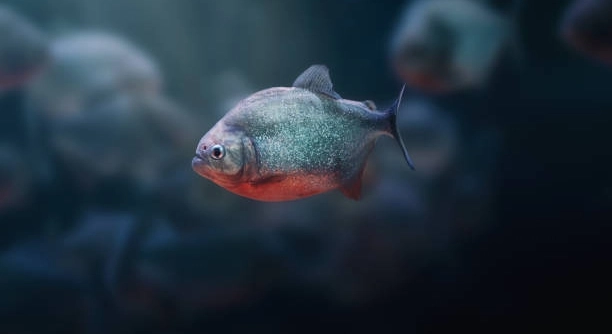
Have you ever found yourself watching your piranha sit still for long stretches and wondered if it’s feeling a little off?
Piranhas can show signs of boredom through changes in activity, such as reduced swimming, repetitive movements, or decreased interest in food. These behaviors often indicate a lack of stimulation in their environment.
Understanding these behaviors can help you create a more enriching tank environment and keep your piranha active, healthy, and mentally engaged.
Lack of Movement
When a piranha gets bored, it often stops swimming as much. You might notice it hovering in one spot for long periods, barely moving its fins. In a healthy and active state, piranhas like to explore their tank, swim around, and react to changes in their surroundings. But when they’re not stimulated enough, they lose interest. This can lead to physical issues too, like muscle weakness or poor circulation. It’s important to pay attention when this happens. Boredom can turn into stress over time. If there are no signs of illness, a change in behavior might point to boredom.
A piranha that hardly swims may be bored, not sick. This behavior usually means the fish is not mentally engaged or physically stimulated by its environment.
Adding more plants, decorations, or even changing the tank layout from time to time can help. These adjustments give the piranha something new to explore. Even just rearranging what’s already there can encourage more movement. If the tank is too small or too plain, the fish may lose interest quickly. Try to create a more natural and interesting setting. In some cases, placing a mirror on the side of the tank for short periods can also spark curiosity and motion.
Ignoring Food
A bored piranha may stop showing excitement during feeding time. This doesn’t mean it’s full or sick—it could be mentally checked out.
In a normal setting, piranhas react quickly to food, often displaying bursts of energy as they bite and pull at what’s offered. But when they’re bored, they might take longer to approach the food or ignore it altogether. You’ll likely see less of the usual fast-paced snapping or chasing. Feeding time becomes dull, even for the fish. Try offering a variety of foods with different textures and smells. This keeps things interesting. Live food (when safe and appropriate), sinking pellets, and occasional treats can help. Also, adjust how you feed. Using a feeding stick or scattering the food in different parts of the tank makes the experience more engaging. This simple change can bring back natural behaviors like hunting and exploring, both of which reduce boredom and make the piranha more alert and active.
Repetitive Swimming Patterns
When a piranha swims in the same pattern over and over—like pacing the tank walls—it’s often a sign of boredom. This repetitive movement means it’s not getting enough mental or physical stimulation.
This kind of swimming usually looks different from normal exploration. The piranha may circle a specific area, dart back and forth in the same line, or follow the tank edges endlessly. These behaviors can show up when the environment is too predictable or lacks variety. Unlike energetic bursts triggered by feeding or sudden sounds, this swimming seems mechanical. It’s important to break this cycle before it becomes a habit. Try changing the layout of the tank, introducing live plants, or using floating toys to create new areas of interest. Giving the fish a reason to explore more freely can reduce boredom-related pacing and lead to a calmer, healthier piranha.
Creating an enriched tank doesn’t have to be complicated. You can rotate tank decorations every few days to give your piranha something new to investigate. Floating objects, tunnel-like structures, or driftwood work well. Varying water flow with a small pump can also add interest. These small changes keep the environment fresh and engaging. A mentally stimulated piranha is less likely to fall into repetitive swimming and more likely to display natural behaviors. Keep in mind that even small shifts in the tank’s look can lead to big changes in behavior over time.
Lack of Reaction to Movement
If your piranha used to react when you walked past the tank and now shows little to no interest, it may be under-stimulated. A bored piranha will often lose curiosity and ignore even small movements outside the glass.
This lack of reaction could be subtle at first. Over time, you may notice that the piranha doesn’t approach the glass when you get close, doesn’t follow your finger, or no longer responds to shadows or lights moving across the room. In a more engaged state, piranhas tend to track movement and display alertness, especially if they associate motion with feeding. Without stimulation, their alert behavior fades. You can try placing objects temporarily outside the tank to regain their attention, like a small toy or colorful paper. Make sure it’s rotated every few days. Consistent interaction helps. Try tapping gently near feeding time to see if the piranha responds. Over time, this can reignite its interest.
Hiding More Than Usual
When a piranha starts hiding more often than normal, it may not just be shy—it could be bored. Staying tucked away for hours in the same spot shows a lack of engagement with its environment.
A bored piranha tends to withdraw, especially when nothing around it is stimulating. While occasional hiding is natural, doing it frequently can be a sign that the tank isn’t interesting enough. Adding visual barriers or shaded spots can actually encourage exploration rather than more hiding. Subtle changes like new hiding places can reduce boredom while still giving the fish comfort.
Color Fading or Dull Appearance
Boredom can lead to stress, and stress affects a piranha’s color. A healthy, alert piranha often shows vibrant shades, especially when active or during feeding. When bored, their color may fade or look dull. This change doesn’t always mean illness—it can be emotional. A bland tank with little variation or stimulation can cause a drop in energy levels, affecting appearance. To help restore natural color, improve the tank with plants, rocks, or safe tank mates (if compatible). Offering enrichment through food, tank rearrangement, or even soft lighting changes can help. These small steps keep the fish mentally active and visually healthy.
Startling Easily at Small Noises
Piranhas that startle too easily may be under-stimulated and overly sensitive. Without regular activity or interest, they become jumpier and more reactive to small sounds or tank vibrations.
How can I tell if my piranha is bored or sick?
Boredom and illness can sometimes look similar in piranhas, but there are key differences. A bored piranha often shows repetitive behaviors like pacing, hiding, or ignoring food, but it usually looks physically healthy—clear eyes, intact fins, and normal breathing. A sick piranha might have visible signs such as cloudy eyes, torn fins, white spots, or difficulty breathing. If your fish stops eating suddenly or looks lethargic without the usual signs of boredom, it’s best to check water quality and consider illness. Regular tank maintenance and observation help catch problems early.
What changes can I make to reduce boredom for my piranha?
Simple changes can help a piranha stay active and interested. Rearranging the tank layout every few weeks adds novelty. Adding live or artificial plants, rocks, and hiding spots encourages natural behaviors. Introducing a gentle water current or bubbles can create a stimulating environment. Varying feeding routines by using live or frozen food, sinking pellets, or feeding tools like tweezers makes meals more engaging. Avoid overcrowding the tank, but if possible, keep compatible tank mates to provide social interaction. Small, regular changes help keep boredom at bay.
How often should I interact with my piranha to keep it engaged?
Interacting with your piranha a few times a day around feeding or cleaning can maintain its interest in its surroundings. Simple actions like tapping lightly on the tank or moving your finger slowly along the glass can get the fish to react. Avoid startling movements. Consistent, calm interaction encourages the piranha to be alert and curious. Too much handling or disturbance can cause stress, so keep interactions brief and gentle. A predictable routine combined with small new stimuli works best to keep the fish engaged without overwhelming it.
Can adding tank mates help with a bored piranha?
Adding tank mates can sometimes reduce boredom, but it depends on the species and tank size. Piranhas are territorial and aggressive, so choose companions carefully. Small, fast fish might get stressed or eaten. Larger, more robust fish that tolerate the piranha’s behavior could work, but only if the tank is big enough. Always research compatibility first. If tank mates are added, monitor interactions closely to prevent fighting. Sometimes a single, well-stimulated piranha is better than a crowded tank with stressed fish.
Is it normal for piranhas to hide a lot?
Piranhas do hide naturally to feel safe, especially during rest or after feeding. However, if hiding increases dramatically and the fish avoids activity or food, it may be bored or stressed. A tank without enough stimulation can lead to excessive hiding. Providing plenty of hiding spots along with open swimming areas balances comfort and activity. If your piranha hides constantly but appears healthy and eats well, it might just be resting. Watching behavior patterns over time helps tell normal from problematic hiding.
What are some good foods to keep my piranha interested?
Variety is key to keeping a piranha’s diet interesting. High-quality pellets designed for carnivorous fish form the base. Supplement with live or frozen foods like bloodworms, small fish, or shrimp. Occasionally offering earthworms or insects can add excitement. Avoid feeding the same food every day. Rotating food types and presentation (scattered, sinking, or offered with feeding tools) keeps meals stimulating. Make sure foods are appropriate in size and safe. A well-fed piranha stays active and less likely to show boredom signs.
How can I tell if my piranha is stressed?
Stress signs can overlap with boredom but are more intense and damaging. Look for rapid breathing, clamped fins, loss of appetite, or erratic swimming. Stress can also cause color fading or physical damage like fin tears. Poor water quality, overcrowding, or sudden changes cause stress. If stress is suspected, test water parameters immediately and adjust as needed. Stress weakens the immune system and can lead to illness. Keeping the tank stable, clean, and enriched reduces stress and helps the piranha thrive.
Is it okay to use mirrors or toys to entertain my piranha?
Using a mirror briefly can spark interest and activity by showing the piranha its reflection, which it may mistake for another fish. However, this should be done for short periods to avoid frustration or aggression. Floating toys or safe tank decorations can also provide mental stimulation. Avoid objects that might harm the fish or pollute the water. Introducing new items gradually helps the piranha adjust and keeps its environment interesting. Balance is important to prevent stress from overstimulation.
How does tank size affect piranha boredom?
Smaller tanks limit space for swimming and exploration, which can increase boredom. Piranhas are active fish that benefit from ample room to move. A cramped tank can lead to repetitive behaviors and stress. A larger tank allows for varied decorations, plants, and hiding spots, creating a more natural environment. If space is limited, frequent changes in tank setup and enrichment become even more important. Ideally, provide at least 20 gallons per adult piranha to reduce boredom and support healthy behavior.
Can lighting influence my piranha’s behavior?
Lighting plays a role in a piranha’s activity and mood. Too bright lighting may cause the fish to hide more often, while dim lighting can reduce activity. Using a natural day-night cycle with about 8-10 hours of light helps regulate behavior. Soft, adjustable lighting mimics natural conditions and reduces stress. Some piranhas react well to subtle changes in light intensity or color, which can add stimulation. Avoid sudden flashes or constant bright light to keep your piranha comfortable and engaged.
Understanding when a piranha is bored is important for keeping the fish healthy and happy. Boredom can show up in different ways, such as swimming the same path repeatedly, hiding a lot, or ignoring food. These signs mean the fish is not getting enough stimulation in its tank. When a piranha is bored, it may lose interest in its surroundings and show less natural behavior. Recognizing these signs early allows you to make simple changes to improve your fish’s life.
Providing a varied environment helps reduce boredom. Adding plants, rocks, or decorations gives the piranha places to explore and hide. Changing the tank layout every few weeks can create new interest. Offering different types of food and changing how you feed can also make feeding time more exciting. Even small changes, like moving the tank or adjusting lighting, can help keep the fish active and alert. A piranha that is stimulated will swim more, eat better, and show brighter colors.
Keeping a piranha entertained is not difficult but does require attention and care. Watching for changes in behavior and responding with environmental adjustments makes a big difference. Regular tank maintenance, proper feeding, and gentle interaction all contribute to the fish’s wellbeing. By understanding and meeting your piranha’s needs, you ensure it stays healthy and comfortable in its home. This leads to a more enjoyable experience for both you and your fish.

Hello,
If you enjoy the content that we create, please consider saying a "Thank You!" by leaving a tip.
Every little bit helps us continue crafting quality advice that supports the health, happiness, and well-being of pets around the world, for pets of all shapes, sizes, and species.
We really appreciate the kindness and support that you show us!