
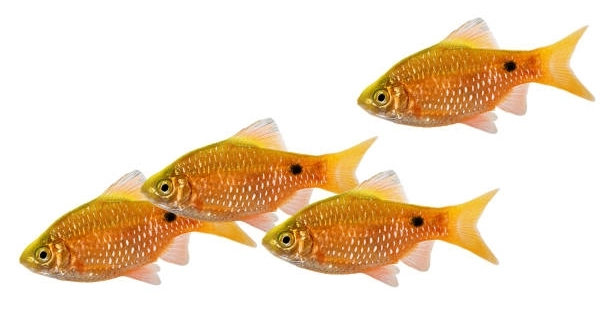
Are your rosy barbs acting differently since you changed their tank setup or added new decorations to their space?
Stress in rosy barbs caused by decor changes often appears as erratic swimming, loss of appetite, color fading, hiding more than usual, increased aggression, fin clamping, or frantic pacing.
Recognizing these signs can help you create a more peaceful environment for your fish and prevent long-term health issues linked to stress.
Too Many Decorations Can Limit Swimming Space
Rosy barbs are active swimmers that enjoy having open areas to move freely. If your tank is packed with decorations, plants, and ornaments, it can limit their ability to swim comfortably. These fish are schooling species and need room to move together. When space is too tight, they may become agitated or stressed. You might see them darting suddenly, bumping into objects, or lingering in corners. Keeping the middle and lower parts of the tank clear can help. Decorations should be placed thoughtfully—along the sides or back of the tank—to allow open paths. It’s helpful to look at your tank from different angles and check whether the barbs can swim in smooth, wide circles. If they seem to zigzag or stop frequently, consider rearranging or removing some objects. A less crowded tank often means calmer, more confident fish.
A packed tank might look interesting, but it’s not always comfortable for fish that love to swim.
Give your rosy barbs plenty of space by reducing clutter and keeping the center of the tank as open as possible. This will encourage natural behaviors and help reduce signs of stress, like skittish movement or sudden hiding. Watch how they react after you make changes.
Harsh Decorations May Cause Injuries
Sharp or rough decorations can lead to physical injuries and stress in rosy barbs.
These fish are fast swimmers and often dart around the tank when startled. If your decor includes sharp rocks, jagged edges, or rough synthetic plants, it can harm their delicate fins or scales. Even minor injuries can become infected if not noticed quickly. Over time, fish may begin to avoid certain parts of the tank or become less active, which is a subtle way of showing stress. Choose smooth, rounded decor pieces that allow your fish to swim safely. Soft silk plants are better than plastic ones, especially those with stiff or pointed tips. Before adding anything new, run your fingers over it—if it feels scratchy, it’s probably not safe. Injured fish often hide more, eat less, and may show faded colors. Prevention is much easier than treatment when it comes to wounds caused by decor. Safe decor not only keeps your fish healthy but also more relaxed.
Bright Colors and Flashy Decor Can Overstimulate
Rosy barbs can become anxious when surrounded by overly bright or flashy decor. Neon colors, mirrored surfaces, or blinking lights may overwhelm them and trigger constant alertness. This can lead to unusual pacing, skittish behavior, or hiding.
Overstimulation in a tank can feel just like sensory overload. Rosy barbs thrive in calm, balanced settings. When their environment is too bold, it keeps them on edge. Flashy decorations can mimic aggressive signals or reflections that confuse them. If your fish are avoiding certain areas or reacting strongly to lighting, it may be time to adjust your setup. Try neutral tones, natural-looking elements, and softer lighting. Let their colors stand out, not blend into a loud background. You don’t have to remove everything, but reducing the number of overly bright pieces can make a difference. Observe how they behave after the change—it’s often the simplest details that matter.
Mirrored surfaces are especially stressful because rosy barbs may mistake their own reflection for another fish. This can lead to territorial displays or nipping at the glass. They may appear more aggressive or restless. Removing reflective decor can quickly calm things down. Choose duller finishes, natural rock shapes, or matte-finish ornaments instead. Aim for balance, not boldness.
Unstable Decorations Can Startle Fish
Loose or unstable decorations that move suddenly can scare rosy barbs. A falling ornament or shifting rock can trigger panic in the tank and lead to frantic swimming or hiding.
Even if it only happens once, a falling item can leave your fish on high alert. Sudden shifts in decor may seem small to us, but to fish, they feel like a threat. Fish remember stressful events, especially ones involving loud noises or movement. To prevent this, make sure all decor is firmly placed. Use aquarium-safe glue, plant weights, or solid bases. Try shaking your tank stand lightly to test stability after arranging everything. If something wiggles, it could move later. Rosy barbs that live in a stable tank are more relaxed and active. When they don’t expect sudden surprises, they’ll swim with more ease and show healthier patterns. Keeping things still goes a long way in building a calm space.
Too Much Movement from Bubblers or Filters
Strong bubblers or high-flow filters can create too much movement for rosy barbs. They prefer gentle currents and steady water. Constant swirling can exhaust them and lead to hiding or erratic swimming, especially if there are few calm areas in the tank.
Check if your fish are always swimming against the current or staying in one still corner. That’s a sign the flow is too strong. Use flow adjusters or place decorations strategically to break up strong water movement. This will give your barbs calmer zones to rest and swim normally without being pushed around.
Overcrowded Themes Limit Escape Zones
Decor with tight mazes or clustered themes can block hiding spots or escape routes. Rosy barbs need space to retreat and relax. If every area is stuffed with decor, they may feel trapped or unable to escape from dominant tank mates.
Instead of filling every inch of the tank, try spacing out decorations to create open swimming areas and peaceful corners. Avoid stacking too many items close together, as that can make it hard for fish to rest undisturbed. Choose pieces with openings or natural shapes that allow fish to move through easily. When fish can hide or move away from stress without effort, they feel safer. Keep a balance between design and function—too much theme can overwhelm the fish rather than comfort them. Observing how they use different areas of the tank can guide what to keep or remove.
Loud or Vibrating Decorations Cause Discomfort
Some bubbling ornaments or motorized decorations make constant noise or vibrations. These can bother rosy barbs over time. Subtle shaking, buzzing, or repetitive motion may cause the fish to stay away from certain areas or appear restless. Quiet, still decor is usually better.
FAQ
How can I tell if my rosy barbs are stressed by their tank setup?
Look for subtle changes in their behavior. If they start hiding more, swimming erratically, or chasing each other more than usual, those can be early signs of stress. Loss of color, skipping meals, or resting near the bottom for long periods are also common signs. Pay attention to how they interact with the space—do they avoid certain areas or seem more jumpy? These signals often show up before major health issues. Watching your fish for a few minutes every day can help you catch stress early. The sooner you notice, the easier it is to fix.
What kind of decorations are best for rosy barbs?
Stick to natural-looking decorations with smooth edges. Think rocks, driftwood, and soft plants—especially silk ones. Avoid sharp plastic items or heavy pieces that could fall. Decorations with openings or tunnels are a plus since they give fish a place to hide and rest. It’s also helpful to leave open space in the middle of the tank for swimming. Rosy barbs are active and enjoy having room to move around freely. If your tank has a balanced mix of cover and swimming space, your fish will likely be more relaxed and active.
Can lighting affect how my rosy barbs behave?
Yes, lighting plays a big role in how comfortable your fish feel. Bright or flashing lights can stress rosy barbs out. They prefer a consistent day-night cycle with moderate lighting. Sudden changes—like turning on a light in a dark room—can startle them. Choose soft aquarium lights and keep them on a timer to mimic a natural rhythm. Too much light can also make a tank too exposed, making fish feel vulnerable. If your barbs are hiding during the day, the lights might be too harsh or the decor might not offer enough shade or shelter.
Should I remove all decorations if my fish seem stressed?
Not necessarily. The goal isn’t to have an empty tank but a well-balanced one. If your rosy barbs seem stressed, start by removing or adjusting only one or two pieces at a time. Watch how the fish react over a few days. Sometimes it’s just one item causing the issue—like a reflective surface or something too bulky that blocks their swimming path. You can also rearrange things to open up space or improve flow. Small changes often make a big difference, so take your time and observe before removing everything.
How often should I rearrange tank decorations?
It’s best to keep changes to a minimum. Frequent rearranging can be stressful because it disrupts the fish’s sense of territory. Only make adjustments when necessary—like if you notice stress signs or need to clean thoroughly. When adding or moving things, try to do it gradually. Make sure new decor is introduced in a calm way, ideally after a partial water change when fish are already a bit more settled. Afterward, watch their behavior closely for a few days to make sure the change didn’t trigger any problems.
Do rosy barbs need hiding spots if they’re in a group?
Yes, even in a group, rosy barbs appreciate places where they can retreat. A healthy group helps reduce stress, but hiding spots give individual fish the chance to rest or avoid conflict. This is especially helpful if one fish becomes more dominant or if you’re adding new members to the tank. Small caves, leafy plants, or rock arches work well. As long as hiding spots don’t crowd the tank or block swimming space, they’re a helpful part of any setup. A mix of open and covered areas works best for keeping the group calm.
What’s a good tank size to help prevent stress?
Rosy barbs do best in tanks that are at least 30 gallons or larger, especially if you keep them in a group, which is highly recommended. Smaller tanks make it hard to manage swimming space and hiding areas without overcrowding. More room helps reduce territorial issues, spread out movement, and keep the water cleaner. A spacious tank also makes it easier to arrange decorations without restricting flow or visibility. When fish have plenty of space to move and explore, they feel more secure. A larger tank supports their natural behavior and reduces stress overall.
Final Thoughts
Decor plays a bigger role in your rosy barbs’ health than it may seem at first. While many decorations are made to look fun or interesting, not all of them are good for your fish. Over time, too many bright colors, sharp edges, or strong water movement from decor can lead to stress. This stress shows up in small ways—like hiding, darting around, or even getting into fights. Rosy barbs are very active fish. They need open space to swim, calm areas to rest, and peaceful places to hide when they want. The wrong setup can make even a healthy fish start to act differently.
It helps to step back and really look at your tank as a whole. Do the fish have space to swim across the tank without running into objects? Can they easily escape from stronger currents or other fish? Are any parts of the tank always avoided? These small clues can show you what needs to be changed. Even things that look harmless—like bright decorations or small moving parts—can throw off their sense of safety. You don’t need to remove everything, just make a few small changes and watch how your fish respond. Many times, that’s all it takes to make them more comfortable.
Keeping rosy barbs happy means giving them a tank that supports their natural behavior. Try to keep the decor simple, soft, and spaced out. Stick to smooth materials, soft plants, and neutral colors that help them feel at ease. Think about balance: some areas should be open, others should be quiet and sheltered. If you’re unsure about a decoration, see how your fish act around it. Their behavior is the best clue to what they need. When your fish swim calmly, eat well, and interact with each other in peaceful ways, that’s a sign you’ve built a space that works. A well-decorated tank doesn’t just look good—it also helps your fish stay healthy, active, and stress-free.

Hello,
If you enjoy the content that we create, please consider saying a "Thank You!" by leaving a tip.
Every little bit helps us continue crafting quality advice that supports the health, happiness, and well-being of pets around the world, for pets of all shapes, sizes, and species.
We really appreciate the kindness and support that you show us!