
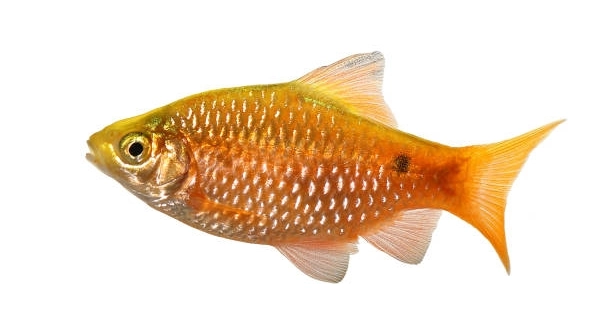
Rosy barbs are popular freshwater fish known for their vibrant colors and active nature. Ensuring they get enough food is essential to keep them healthy and thriving in a home aquarium. Feeding habits and physical signs can help determine if they are well-nourished.
Rosy barbs that receive adequate food show steady growth, consistent energy levels, and clear coloration. Their bodies maintain a healthy fullness without signs of bloating or emaciation. Observing feeding behavior and physical condition provides reliable indicators of proper nutrition.
Knowing these signs will help you maintain your rosy barbs’ health and prevent common feeding issues. This guide explains seven clear ways to monitor their food intake effectively.
Appetite and Feeding Behavior
Rosy barbs with a good appetite actively swim to the surface or feeding area when food is introduced. They eagerly consume flakes, pellets, or live food within minutes without leaving much behind. Consistent interest in food during each feeding session is a reliable sign they are receiving enough nutrition. Over time, changes in appetite can indicate health issues or insufficient feeding. Observing feeding behavior daily helps maintain proper care and ensures their dietary needs are met. It is important to avoid overfeeding, which can lead to water quality problems and health concerns. Feeding small amounts multiple times a day works better than one large feeding. This approach mimics their natural eating habits and supports steady energy levels.
Regular feeding responses show your rosy barbs are healthy and satisfied. Lack of interest in food might mean the fish are stressed or unwell.
Feeding behavior is one of the simplest ways to check if rosy barbs are getting enough food. A healthy rosy barb swims actively towards the food source and eats without hesitation. If you notice hesitation or ignoring food, it may be a sign of stress or illness rather than hunger alone. In that case, water conditions and tank mates should be checked as well. Keeping a feeding schedule helps regulate their metabolism and prevents overeating. It also allows you to notice any sudden changes in eating habits early. Feeding a balanced diet rich in protein and nutrients is essential for their growth and coloration. Including occasional live or frozen foods provides variety and stimulates natural hunting instincts. Overall, watching their appetite closely can prevent nutritional problems and keep them vibrant.
Physical Appearance and Body Condition
A rosy barb that is well-fed has a plump, firm body without signs of sunken areas or swelling. Their scales lay flat and shine with healthy color, reflecting good nutrition. Thin or hollow-looking fish often indicate insufficient feeding or health issues. Healthy rosy barbs maintain a smooth, even body shape from head to tail. Look for clear eyes and intact fins, as these are also signs of good overall health. Excessively bloated bodies may suggest overfeeding or internal problems, which need attention. Consistency in their appearance over time shows they are receiving balanced meals and proper care.
Physical fullness and vibrant color reflect a rosy barb’s nutritional status.
Maintaining good body condition is important for rosy barbs to stay active and resist disease. A well-fed fish appears robust but not swollen. Loss of color or a gaunt look usually means the diet lacks essential nutrients or the fish is stressed. Regularly checking body condition helps catch feeding issues early. It is best to provide a variety of foods to ensure all dietary needs are met, including vegetable matter and protein sources. Monitoring water quality also supports their health, as poor conditions can reduce appetite and affect appearance. Keeping a feeding log or notes can help track changes over time and improve care routines. Proper body condition is a clear sign your rosy barbs are thriving.
Activity Levels and Energy
Rosy barbs that receive enough food generally display consistent activity throughout the day. They swim actively, exploring the tank and interacting with other fish. Low energy or lethargy can be a sign of insufficient feeding or poor water quality.
Active movement is an important indicator of health and proper nutrition. When rosy barbs have enough to eat, they remain lively and curious. They respond quickly to external stimuli and show natural schooling behavior. On the other hand, a lack of activity might suggest they are not getting enough calories or suffer from stress. Regular observation of their swimming patterns helps detect early problems. Feeding well-balanced meals supports their energy needs for daily movement and growth.
Energy levels also reflect how well rosy barbs convert food into vitality. Fish that appear sluggish or rest at the bottom often have dietary deficits or illness. Maintaining a feeding schedule with appropriate portions ensures steady energy availability. Additionally, a varied diet helps prevent boredom and stimulates natural instincts. Monitoring activity along with feeding habits provides a clear picture of their nutritional health. Addressing low energy quickly prevents further complications and improves overall well-being.
Body Weight and Growth Patterns
Monitoring the weight and size of rosy barbs is an effective way to assess their feeding status. Healthy fish gain weight steadily over time without sudden drops or excessive swelling. Tracking growth helps identify nutritional imbalances early.
Proper growth is crucial for rosy barbs to reach their full potential in size and color. Underfed fish may stop growing or become thin, while overfeeding can cause unhealthy weight gain. Consistency in weight gain indicates they receive sufficient and balanced food. Growth patterns vary with age and tank conditions but should generally trend upward in healthy fish. Recording size measurements or visual assessments over weeks can provide useful data. It is important to adjust feeding amounts based on growth changes and environmental factors. Maintaining a stable environment supports healthy development and prevents stress-related weight fluctuations.
Growth rate also depends on genetics and water quality but primarily reflects nutritional adequacy. Sudden changes in weight or size can signal health problems or feeding errors. Regularly evaluating body weight alongside other signs ensures proper feeding. Combining measurements with observations of behavior and appearance gives a complete understanding of rosy barbs’ nutrition. Adjusting diet and feeding routines based on growth feedback keeps fish healthy and thriving.
Color Vibrancy
Healthy rosy barbs display bright and vivid colors that reflect their well-being. Dull or faded coloration can indicate inadequate nutrition or stress. Consistent, rich color is a sign of balanced feeding and good health.
Proper nutrition supports the development and maintenance of their natural hues. Feeding high-quality food with essential vitamins and pigments enhances their color intensity. Lack of variety or poor diet often leads to paler scales. Observing color changes over time helps track their nutritional status. A vibrant fish is generally a well-fed and healthy one.
Fin Condition
Intact and well-formed fins show that rosy barbs are in good health. Torn, ragged, or clamped fins may signal dietary deficiencies or stress.
Waste Output
Regular and well-formed waste is a sign of good digestion and proper feeding. Irregular or minimal waste can indicate feeding problems or illness.
How often should I feed my rosy barbs?
Feeding rosy barbs two to three times a day is ideal. Small portions given multiple times help avoid overfeeding and maintain good water quality. Overfeeding can cause leftover food to pollute the tank and lead to health problems. Consistency in feeding times also helps regulate their metabolism and behavior. Adjust portion sizes based on how much they consume within a few minutes. If food remains uneaten, reduce the amount at the next feeding.
What types of food are best for rosy barbs?
A varied diet that includes high-quality flakes or pellets as a staple is best. Supplementing with live or frozen foods such as brine shrimp, bloodworms, and daphnia adds protein and stimulates natural hunting instincts. Including vegetable matter like blanched spinach or spirulina flakes supports their overall health. Variety ensures they receive a balanced mix of nutrients. Avoid feeding only one type of food for long periods, as it can cause nutritional deficiencies.
Can I overfeed my rosy barbs?
Yes, overfeeding is a common issue that can harm rosy barbs. Excess food decomposes in the tank, reducing water quality and increasing ammonia levels, which stresses fish. Overfed fish may become bloated or develop swim bladder problems. Feeding small amounts that they finish quickly helps prevent this. Monitor their body shape and adjust feeding accordingly. Overfeeding can also reduce their natural foraging behavior and energy levels.
What signs show my rosy barbs are underfed?
Underfed rosy barbs often appear thin or have sunken areas around their belly. They may seem lethargic or less active than usual. Their colors might fade, and fins could look less healthy. Appetite can decrease, but some fish eat less due to stress or illness, so other factors should be checked. Consistently observing these signs and adjusting feeding amounts helps prevent long-term problems.
How do water conditions affect feeding?
Poor water quality lowers appetite and digestion efficiency in rosy barbs. High ammonia or nitrate levels can cause stress, reducing feeding response. Clean, well-maintained water encourages healthy eating habits and nutrient absorption. Regular water changes and filtration are essential. Even well-fed fish may refuse food if the environment is uncomfortable. Monitoring water parameters supports overall health and proper feeding.
Is it necessary to fast rosy barbs occasionally?
Occasional fasting, such as one day a week without feeding, can benefit rosy barbs by giving their digestive system time to clear. This practice helps prevent constipation and bloating. Fasting should not be overdone or applied to very young or sick fish. It supports better nutrient absorption and keeps the tank cleaner by reducing waste production.
How can I tell if my rosy barbs are stressed?
Stress signs include clamped fins, hiding frequently, erratic swimming, and loss of appetite. Stress affects feeding behavior and can lead to illness. Causes often involve poor water quality, aggressive tank mates, or sudden changes in environment. Addressing these issues quickly improves feeding response and overall well-being. Observing behavior daily helps catch stress early.
Can rosy barbs live with other fish without affecting feeding?
Rosy barbs are generally peaceful but may compete for food in a mixed tank. Feeding them separately or spreading food evenly helps ensure all fish get enough to eat. Watching feeding time can reveal if some fish are being bullied or left out. Choosing compatible tank mates and maintaining proper feeding routines reduces competition stress and ensures balanced nutrition for all inhabitants.
What is the best way to introduce new food to rosy barbs?
Introduce new foods gradually by mixing small amounts with their current diet. Sudden changes can cause refusal or digestive upset. Offering a variety slowly encourages acceptance and provides nutritional balance. Observing how they respond helps decide if the new food suits them. Fresh or frozen foods should be thawed properly and fed in appropriate quantities to avoid waste.
How important is variety in their diet?
Variety is crucial for preventing nutritional gaps and keeping rosy barbs interested in feeding. Different foods supply essential vitamins, minerals, and proteins that a single diet may lack. Feeding a mix of flakes, pellets, live or frozen items, and vegetable matter supports vibrant color, growth, and immune function. Lack of variety can lead to health issues and poor coloration over time. Regularly rotating foods helps maintain their well-being.
What should I do if my rosy barbs stop eating?
If rosy barbs stop eating, check water parameters immediately, as poor conditions often cause appetite loss. Observe for signs of illness or stress such as unusual swimming or spots on the body. Remove aggressive tank mates if needed. Try offering favorite foods or live treats to stimulate appetite. If the problem continues, consult a veterinarian or aquarium specialist to address underlying causes.
Can feeding frequency change with seasons or age?
Yes, feeding frequency and amount should adjust as rosy barbs grow or as water temperature changes. Younger fish need more frequent feeding to support growth, while adults require less. Lower temperatures slow metabolism, reducing appetite. Observing behavior and body condition helps determine appropriate feeding. Seasonal changes in diet can also improve their health and mimic natural cycles.
Ensuring that rosy barbs receive enough food is essential for their health and longevity. Paying attention to their behavior, physical appearance, and feeding habits can provide clear signs of whether their nutritional needs are being met. Observing appetite, energy levels, body condition, and color vibrancy gives a well-rounded view of their well-being. Keeping these factors in mind helps prevent common feeding problems and supports a balanced diet. Proper feeding is a key part of maintaining a stable and healthy aquarium environment for rosy barbs.
A consistent feeding routine benefits both the fish and the aquarium. Feeding small portions multiple times a day prevents overfeeding and keeps the water cleaner. This reduces the risk of harmful ammonia spikes that can stress or harm the fish. Providing a variety of foods ensures that rosy barbs receive the necessary proteins, vitamins, and minerals for growth and color. Including live or frozen foods alongside high-quality flakes or pellets promotes natural behaviors and helps maintain interest during mealtime. This balanced approach encourages steady growth, vibrant colors, and active swimming.
Finally, regularly monitoring your rosy barbs’ condition and behavior allows for early detection of any issues related to feeding or health. Changes in appetite, appearance, or activity should prompt a review of feeding practices and water quality. Being attentive to these details ensures that the fish remain healthy and happy. A well-fed rosy barb will show vitality and beauty that reflect the care given. Maintaining this level of care supports their long-term well-being and enjoyment in your aquarium.

Hello,
If you enjoy the content that we create, please consider saying a "Thank You!" by leaving a tip.
Every little bit helps us continue crafting quality advice that supports the health, happiness, and well-being of pets around the world, for pets of all shapes, sizes, and species.
We really appreciate the kindness and support that you show us!