
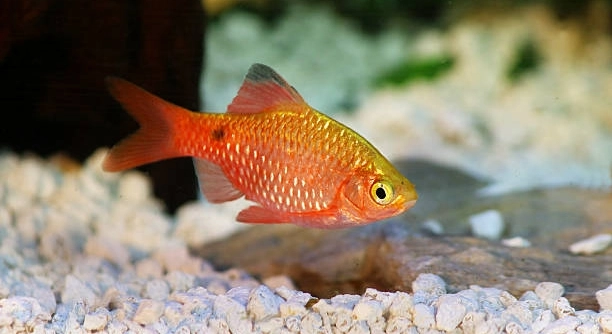
Are your rosy barbs chasing each other, flaring their fins, or darting around more than usual in your tank setup?
Rosy barbs compete when establishing dominance, defending territory, or vying for food or mates. These behaviors often include chasing, nipping, flaring fins, or displaying brighter coloration, especially in limited-space environments or during feeding.
Recognizing the signs of competition can help you create a calmer tank and ensure your rosy barbs stay healthy and stress-free.
Chasing and Flaring Fins
Chasing is one of the most obvious signs that rosy barbs are competing. A dominant fish will often dart after others to push them out of certain areas or keep them away from food. This behavior becomes more noticeable during feeding time or when the tank feels crowded. Flaring fins is another way rosy barbs show off dominance. They’ll puff themselves up, trying to look bigger to scare off others. These displays usually don’t cause harm unless they’re constant. If the same fish is always being chased or hiding, it might be stressed. Adding more plants, decorations, or increasing tank size can reduce tension and allow each fish its own space. A group of at least six rosy barbs is best, as it helps spread out any aggressive behavior and keeps the group balanced. These fish are active by nature, but watching for patterns helps spot if things are getting too rough.
Chasing and flaring fins aren’t just for fun—they usually signal a fish trying to prove something.
Even though rosy barbs like to stay busy, constant chasing and fin flaring can wear them out. Stress builds up over time and can lead to illness. Keeping an eye on behavior helps catch problems early and prevent harm.
Brightening Colors and Feeding Time
Rosy barbs often show brighter colors when they’re trying to compete.
When rosy barbs want to stand out, their colors become much more vivid. This usually happens when males are trying to attract females or show dominance over other males. It can also occur when they’re guarding territory or trying to secure food. A fish that turns deep red or shows strong contrast in its markings is likely showing off. These changes are part of natural behavior, but if many fish are constantly flaring up, it may be a sign the environment is too competitive. Feeding time also brings out a lot of energy. If you see pushing, fast darting, or one fish hogging all the food, competition is likely playing a role. Try spreading food around the tank or using slow-sinking pellets to give each fish a better chance to eat without fighting. Color changes and active feeding signs are normal—but balance is important to keep the group healthy.
Territorial Behavior and Tank Space
Rosy barbs often compete by claiming parts of the tank as their own.
When space is limited, some rosy barbs will choose a corner, plant, or decoration to guard. They chase others away and circle the area like it’s their territory. This is more common in tanks that don’t have enough room or hiding spots. Adding more space, plants, or ornaments can help break up sightlines and give each fish a sense of its own space. Territorial behavior usually comes from stress, overcrowding, or a strong need to feel secure. A longer tank layout is often better than a tall one since it gives them more room to swim and spread out naturally.
Territorial behavior can become more intense when the tank is too small for the group. Rosy barbs are fast swimmers and need plenty of open space. If they feel boxed in, they become defensive and more likely to fight. Rearranging the tank every so often can help reset boundaries.
Nipping and Damaged Fins
Nipping is a clear sign of competition and should not be ignored. It often starts as small, fast bites at the fins or tail.
Nipping usually happens when one fish is trying to assert control over others. You might see short bursts of chasing followed by quick bites. These actions can lead to ripped fins or open spots on the skin if left unaddressed. Some fish may try to hide or stay in corners to avoid the aggressor. It’s important to check for signs of damage and stress, like clamped fins or dull coloring. If fin damage keeps happening, separating the aggressive fish or changing the group size can help. You can also adjust the tank layout to include more hiding places and give the weaker fish more options to stay out of the way. Fin nipping might seem harmless at first, but over time, it takes a toll.
Changes in Group Dynamics
Rosy barbs sometimes form mini groups within the main school. These small groups may chase or avoid certain fish more often.
If one fish suddenly becomes isolated, it could be getting pushed out by the others. This kind of shift often means the group is reworking its social structure.
Increased Aggression During Breeding
Breeding behavior in rosy barbs can make the tank feel more intense. Males will chase females, flare their fins, and fight each other for attention. These behaviors can look like aggression, and they often are, especially when several males are involved. Providing hiding spots helps reduce stress for females and keeps the group balanced. It’s also important to keep a close eye during these times—constant chasing and competition can exhaust weaker fish. If needed, separating pairs or using a breeding box can help. During breeding season, things naturally get more competitive, but keeping the environment calm can limit the stress on everyone.
Unusual Hiding or Shyness
Fish that constantly hide or seem nervous may be getting targeted. It’s often a quiet sign that the group’s competition is getting too strong.
How can I tell if rosy barbs are just playing or actually competing?
Rosy barbs are naturally active and curious fish, so some chasing and fin flaring can be normal play or social interaction. However, if you notice repeated chasing that causes fish to hide, lose scales, or have torn fins, it’s likely competition. Also, when certain fish are consistently bullied or kept away from food, that’s a sign the behavior is more than just play. Watching patterns over time helps distinguish normal activity from harmful competition.
What is the best tank size to prevent competition among rosy barbs?
A tank of at least 30 gallons is recommended for a small group of six rosy barbs. More space allows them to swim freely and establish territories without constant conflict. Longer tanks work better than tall ones because rosy barbs prefer to swim horizontally. Adding plenty of plants and decorations also breaks up space and helps reduce direct confrontations.
How many rosy barbs should I keep together to reduce aggression?
Keeping at least six rosy barbs is ideal to spread out any aggressive behavior. Smaller groups tend to have stronger competition because fish focus aggression on fewer individuals. Larger groups create a more balanced social environment where no single fish becomes a constant target.
What can I do if one rosy barb is being bullied?
First, try rearranging the tank layout to reset territories and add more hiding spots. If that doesn’t help, consider separating the aggressive fish temporarily. Adding more tank mates or increasing tank size can also ease pressure. If a fish is badly injured, it may need to be isolated until it recovers.
Is fin nipping always caused by competition?
Not always. Fin nipping can be due to boredom, overcrowding, or lack of enrichment as well as competition. It’s important to check water quality, tank size, and social structure. Providing a stimulating environment with plants, decorations, and enough space reduces nipping behavior.
How does feeding time affect competition among rosy barbs?
Feeding often triggers chasing and competition because fish rush to get food first. Spreading food in several places and using slow-sinking pellets can help. Feeding smaller amounts more frequently also reduces aggressive rushes.
Can breeding increase competition among rosy barbs?
Yes, breeding causes males to become more territorial and aggressive. They flare fins, chase females, and fight other males. Providing hiding places and possibly separating pairs can protect stressed fish during this time.
How do I know if my rosy barbs are stressed from competition?
Signs include hiding, clamped fins, dull colors, loss of appetite, or damaged fins. Stressed fish may also become more prone to illness. Watching for these signs early allows intervention before serious harm occurs.
Is it normal for rosy barbs to change color when competing?
Yes, males especially brighten their colors to show dominance or attract mates. This color change is temporary and part of natural behavior but watch for constant brightening combined with aggressive actions, which can indicate ongoing stress.
What tank setup helps reduce rosy barb competition?
A spacious tank with plenty of plants, hiding spots, and decorations helps break up territories. Use a long tank to give swimming room and avoid overcrowding. Regularly rearranging decorations can prevent long-term territorial disputes.
Can adding other fish reduce rosy barb competition?
Adding peaceful, compatible fish can distract aggressive individuals and balance the group dynamics. Avoid slow or shy species that may be bullied. Always research compatibility before adding new tank mates.
How often should I monitor rosy barb behavior for signs of competition?
Daily observation is best, especially during feeding and breeding periods. Early detection of chasing, nipping, or hiding allows quick action to reduce stress and injury. Keeping a simple behavior log can help track changes over time.
Rosy barbs are lively and colorful fish that bring energy to any aquarium. Watching them swim and interact can be very enjoyable, but it is important to understand their behavior, especially when they start to compete. Competition among rosy barbs is a natural part of how they live in groups, but it can sometimes cause stress or injury if left unchecked. Knowing the signs of competition, like chasing, fin flaring, or nipping, helps you keep your fish healthy and happy. Paying attention to these behaviors allows you to take simple steps to make their environment better.
Creating the right tank setup is one of the best ways to reduce competition among rosy barbs. Providing enough space is very important because crowded tanks lead to more fighting. A tank that is long rather than tall gives them room to swim and spread out, which lowers tension. Adding plants and decorations offers places for fish to hide or claim as their own without constant conflicts. These natural breaks in the tank help keep peace by giving each fish a little space to feel safe. Sometimes, rearranging the tank can reset boundaries and stop ongoing fights. The more effort put into designing a good habitat, the less likely it is that your rosy barbs will feel the need to compete too much.
Finally, it’s helpful to watch your rosy barbs regularly for any changes in behavior or health. Competition is normal, but when it gets intense, it can harm fish and make the tank a stressful place. Keeping a group of six or more rosy barbs, feeding them well, and giving them places to hide will help keep competition balanced. If you notice any signs of injury or stress, such as torn fins or constant hiding, acting quickly can prevent bigger problems. In the end, caring for rosy barbs means understanding their social needs and creating a calm environment where they can thrive. This simple approach helps you enjoy their lively personalities without the downsides of too much competition.

Hello,
If you enjoy the content that we create, please consider saying a "Thank You!" by leaving a tip.
Every little bit helps us continue crafting quality advice that supports the health, happiness, and well-being of pets around the world, for pets of all shapes, sizes, and species.
We really appreciate the kindness and support that you show us!