
Introducing rainbow fish into a new tank can be an exciting experience. Observing their behavior and health can offer valuable insights into their well-being. Understanding when they are settling in can make the process smoother for both you and your fish.
Rainbow fish typically show signs of settling in when they begin to explore their environment, swim in schools, and display calm behavior. They will adjust to the water parameters and exhibit normal feeding patterns, indicating they are comfortable.
Monitoring your rainbow fish closely will help ensure a healthy environment. Recognizing these settling-in signs allows you to address any issues early on and ensure their continued well-being.
Signs of Rainbow Fish Becoming Comfortable
Once rainbow fish begin settling in, they will start exhibiting natural behaviors like exploring their environment. At first, they may seem a bit shy or reserved, but as they get accustomed to their new surroundings, you’ll notice a shift in their actions. They will swim more confidently, investigating different parts of the tank. Their curiosity will grow, and you might see them exploring the substrate, decorations, and plants in their tank. This gradual process indicates that they are becoming more comfortable and confident.
As they adjust, rainbow fish will often swim in schools. This is an important sign that they are feeling secure. They are social creatures and thrive in the presence of other fish. If you notice your fish swimming in a group rather than hiding alone, it’s a clear sign they are settling in well.
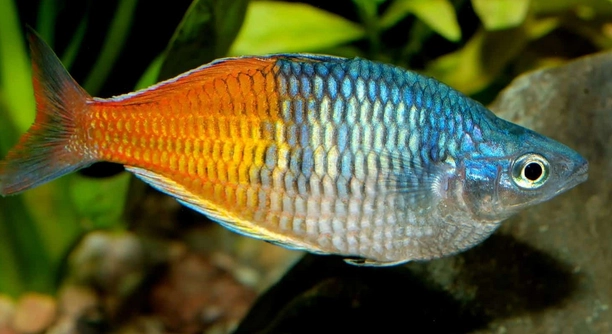
The appearance of vibrant colors is another indicator that your rainbow fish are settling in. Healthy, well-adjusted fish often display their brightest hues when they are comfortable in their environment. If you see them swimming freely and showing off their beautiful colors, it’s a good sign. However, remember that colors can sometimes fade due to stress, so keep an eye on them for any signs of illness.
Behavior Changes in Feeding Patterns
Once your rainbow fish are settling in, they will begin to feed more regularly. When they first arrive, it’s normal for them to be a bit hesitant or inactive during feeding time. However, once they become familiar with the tank and the food source, you’ll notice them approaching the food with enthusiasm. A steady and consistent eating pattern is a good sign of a healthy and comfortable fish.
You should observe how they respond to different food types as well. They may start eating more variety, which shows they are confident enough to explore their surroundings. If your rainbow fish are eating well, they are adjusting to their environment and you are likely providing the right care for them. If you notice a lack of appetite or disinterest in food, it could be an indication that they are still adjusting or feeling stressed.
In addition to eating, rainbow fish will also start displaying active swimming. They will be more likely to swim toward the surface or around their tank when they see food, demonstrating their eagerness. This increase in activity is a positive sign that they are growing comfortable.
Tank Environment Factors to Consider
A proper tank environment plays a crucial role in how quickly your rainbow fish settle in. Temperature, water parameters, and tank mates should be closely monitored to ensure everything is optimal. Rainbow fish thrive in a stable and clean environment. Any sudden changes in water temperature or quality can cause stress and delay the settling-in process.
Consider water quality as one of the first factors to monitor. Rainbow fish prefer slightly alkaline water with a temperature between 75°F and 82°F. Regular water changes and proper filtration will help maintain a clean and healthy environment. If you notice a decline in water quality, it’s important to address it immediately. Poor water conditions can lead to stress and may prevent your fish from fully settling in.
Tank mates also play a role in their comfort. If there are aggressive fish in the tank, rainbow fish may stay hidden or be too stressed to eat. Choose peaceful tank mates that won’t intimidate your rainbow fish. When the tank conditions are just right, your rainbow fish will begin to feel more comfortable, showing their natural behaviors and bright colors.
Water Quality and Its Impact
Water quality is a crucial aspect of settling rainbow fish. Maintaining stable water parameters—such as pH, hardness, and temperature—is essential for their well-being. If the water is not kept in check, fish may experience stress and difficulty adjusting to their new home.
Inconsistent water conditions can make your rainbow fish feel uncomfortable, even if everything else in the tank seems fine. Testing the water regularly will help you monitor key factors like ammonia, nitrites, and nitrates. Ideally, ammonia and nitrites should be at zero, while nitrates should be kept at low levels to prevent any issues. If your fish seem less active or are showing signs of illness, it could be related to poor water quality.
To help your fish settle in faster, make sure to perform regular water changes. Keeping the water clean and consistent helps ensure your rainbow fish are living in a stress-free environment. A stable water condition will encourage natural behaviors like feeding, swimming in schools, and showing their vibrant colors.
Tank Decorations and Hiding Spaces
Rainbow fish, like many species, benefit from having hiding spaces within the tank. Plants, rocks, or driftwood provide a safe haven when they feel stressed or need to retreat for a moment. While they do enjoy swimming in open areas, having a place to hide can significantly reduce anxiety, especially during the early stages of settling in.
Adding decorations can help mimic their natural habitat and offer comfort. Some rainbow fish prefer calm and shaded areas to rest, while others may enjoy exploring every corner. It’s important to strike a balance between open swimming space and places for them to feel secure. If your fish are constantly hiding, they may still be adjusting to their new environment or are feeling stressed.
Provide both shaded areas and open spaces so your rainbow fish can choose where to go depending on their comfort level. You’ll see their confidence grow as they use different areas of the tank, from exploring plants to resting near rocks, signaling that they’re settling in.
Fish Behavior Changes
As rainbow fish start to settle in, their behavior will begin to change. They’ll become more active, exploring the tank and interacting with other fish. This is a clear sign they’re becoming familiar with their new environment.
You may notice they start swimming in groups. This is a natural social behavior, indicating that they feel secure enough to interact with their tank mates. Rainbow fish are known for being social and will often form schools when comfortable. This behavior is a positive sign that they are adjusting well to their new home.
Feeding Habits
A noticeable shift in feeding habits can also signal that your rainbow fish are settling in. As they get comfortable, they will begin to eat more regularly. It’s common for them to be shy at first, but once they adapt to their surroundings, they will approach the food without hesitation.
This change is especially visible during feeding time. Your fish will actively swim toward the food, showing more enthusiasm. If they were initially hesitant or timid about eating, the increase in appetite indicates that they are adjusting and are now confident in their new environment.
Tank Conditions
Rainbow fish need specific tank conditions to thrive. They require stable water parameters, including temperature, pH, and hardness. Keeping the water clean and free of toxins is essential to their well-being.
Fish that experience fluctuating conditions will show signs of stress, like erratic swimming or loss of appetite. To ensure your fish are settling in, make sure the water remains at a consistent temperature between 75°F and 82°F, and that pH levels stay between 7.0 and 8.0.
FAQ
How long does it take for rainbow fish to settle in?
The time it takes for rainbow fish to settle in can vary, but typically it takes about 1 to 2 weeks. This period allows them to adjust to their new environment and get comfortable with the water conditions and tank mates. During this time, you may notice them becoming more active and confident. If they haven’t settled after a couple of weeks, it might indicate stress or unfavorable tank conditions.
Why is my rainbow fish hiding all the time?
If your rainbow fish is constantly hiding, it could be due to stress, poor water quality, or tank mates that are too aggressive. Rainbow fish are social creatures and prefer to swim in schools. If they are hiding, check the water parameters and ensure the tank mates are peaceful. It could also mean they’re still adjusting to their new environment.
How can I tell if my rainbow fish is stressed?
Stressed rainbow fish may exhibit behaviors such as erratic swimming, loss of appetite, or hiding. Their colors may also appear dull or faded. If you notice any of these signs, check the water quality and make sure there are no aggressive tank mates. Stress can also be caused by sudden temperature fluctuations or overcrowding.
Can I add more rainbow fish to the tank while they are settling in?
It’s best to wait until your rainbow fish have fully adjusted to the tank before adding new fish. Adding too many at once can cause stress and disrupt the balance in the tank. Once they seem comfortable and have established their behavior patterns, it’s safe to consider adding more fish to form a school.
What should I do if my rainbow fish isn’t eating?
If your rainbow fish isn’t eating, check the water parameters first. Poor water quality can cause loss of appetite. If the water is fine, try offering different types of food to see if they prefer something else. Sometimes, it can take time for fish to adjust to a new feeding routine.
Is it normal for rainbow fish to change colors?
Yes, rainbow fish are known for their vibrant colors, and these can change depending on their mood, health, and environment. Stress can cause them to lose their bright hues, but once they feel comfortable, their colors should return to their normal vibrant state. However, if the color change persists, it may be a sign of illness or poor water conditions.
How often should I change the water for rainbow fish?
Water changes should be done regularly, about 20-25% every week. This helps maintain good water quality, removing toxins that can build up. Regular water changes are important for the health of rainbow fish and help prevent stress caused by dirty or polluted water. Make sure to check the water parameters each time you change the water.
Can rainbow fish live with other species?
Rainbow fish are generally peaceful and can live with other species, as long as the tank mates are not overly aggressive. They do well with other peaceful species such as tetras, guppies, and other similar-sized fish. However, avoid keeping them with overly territorial or aggressive fish, as this can cause stress.
What are the ideal tank conditions for rainbow fish?
Rainbow fish thrive in a tank with stable water parameters. The temperature should be kept between 75°F and 82°F, with a pH level between 7.0 and 8.0. They also prefer soft to medium hard water. A well-filtered tank with good aeration and regular water changes will ensure they stay healthy.
How can I encourage my rainbow fish to swim in schools?
Rainbow fish are naturally social and will swim in schools when they feel comfortable. If they aren’t schooling, it could be due to stress, poor water quality, or not enough fish. Try adding a few more rainbow fish to the tank. This can help them feel more secure and encourage them to school.
Should I be worried if my rainbow fish is swimming at the top of the tank?
Swimming at the top of the tank can be a sign of oxygen depletion or poor water quality. If your rainbow fish is constantly at the top, check the water’s oxygen levels and ensure the filtration system is working properly. It may also indicate a temperature problem or stress, so take note of any other signs.
Why are my rainbow fish staying at the bottom of the tank?
If your rainbow fish is staying at the bottom of the tank, it could be a sign of stress, illness, or poor water quality. They may also be resting, which is normal behavior. However, if they’re not moving much or seem lethargic, it’s worth checking the tank’s parameters and overall health.
What should I do if my rainbow fish is showing signs of illness?
If you notice any unusual behavior, like sluggishness, discoloration, or loss of appetite, your rainbow fish could be ill. First, check the water parameters and make sure they are within the ideal range. If the water quality is fine, consider isolating the fish to treat it separately. Research the symptoms to diagnose the issue and consult with a vet or aquatic specialist if needed.
Can rainbow fish live in a small tank?
Rainbow fish require a decent amount of space to swim and thrive. A tank of at least 20 gallons is recommended for a small group of rainbow fish. Smaller tanks may cause stress due to limited space, making it harder for them to feel comfortable and settled. A larger tank will also help maintain better water quality.
What is the best way to feed rainbow fish?
Rainbow fish are omnivores and enjoy a varied diet. Offer a combination of high-quality flakes, pellets, and live or frozen foods like brine shrimp and daphnia. Feeding them a mix of foods ensures they get all the necessary nutrients. Feed them small portions 2-3 times a day to keep them healthy.
Final Thoughts
Rainbow fish are vibrant and beautiful creatures that can make a wonderful addition to any aquarium. As they settle in, it’s important to provide them with a stable and peaceful environment. These fish are sensitive to water quality, so regular maintenance and monitoring of water parameters are key to their health. By ensuring that the tank conditions are optimal, rainbow fish can thrive and exhibit the bright colors they are known for.
Patience is essential when introducing rainbow fish into a new tank. It may take some time for them to adjust, and during this period, you may notice changes in their behavior. It’s normal for them to be shy or hide at first, but once they feel comfortable, their social nature will begin to show. Keeping an eye on their behavior and feeding habits can help you assess how well they’re adjusting to their new home.
In the long run, understanding their needs and creating the right conditions will lead to a healthier, more active group of rainbow fish. With proper care, they can live for several years and continue to bring beauty and life to your tank. By paying attention to their behavior, feeding them a balanced diet, and maintaining good water quality, you can enjoy the presence of rainbow fish for a long time. It’s a simple yet rewarding process that will lead to a thriving and colorful aquarium.

Hello,
If you enjoy the content that we create, please consider saying a "Thank You!" by leaving a tip.
Every little bit helps us continue crafting quality advice that supports the health, happiness, and well-being of pets around the world, for pets of all shapes, sizes, and species.
We really appreciate the kindness and support that you show us!