
Guppies are popular aquarium fish, loved for their vibrant colors and playful nature. Understanding the differences between male and female guppies can help when managing a tank or breeding them. It’s simple once you know what to look for.
Male and female guppies can be distinguished by a few key characteristics. Males are typically smaller, with more colorful and vibrant fins, while females are larger, with more subdued colors. Males also have a modified anal fin, called a gonopodium, used for mating.
Recognizing these traits will make identifying the genders of your guppies easy and improve your experience with caring for them.
How to Identify Male Guppies
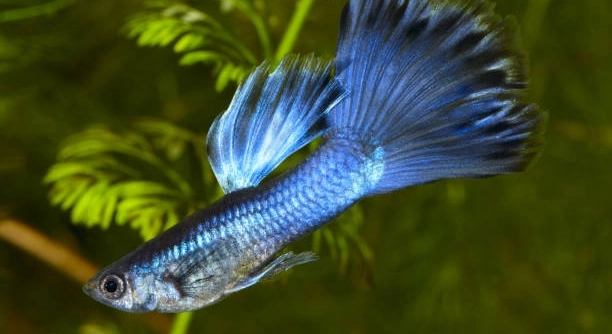
Male guppies stand out with their vibrant colors and small size. They are generally more active, swimming quickly around the tank. Their fins are long and colorful, often showcasing bright hues of blue, red, or orange. Male guppies are smaller than females, which gives them a more delicate appearance.
One of the easiest ways to spot a male is by looking at the tail fin. Male guppies typically have pointed, more dramatic tail fins. Their bodies are slender compared to females, who are broader.
Male guppies also have a distinct gonopodium, which is an elongated anal fin used during reproduction. This fin is more noticeable in males than females. It is a telltale sign of male guppies and will make identification easier. As males are often more colorful and lively, their behavior also plays a role in distinguishing them from the females in the tank.
Recognizing Female Guppies
Female guppies are larger and more rounded than their male counterparts.
The most notable difference is their size; female guppies are typically bigger and bulkier due to their role in carrying and giving birth to the young. They have less vivid coloration compared to males, usually having a duller mix of colors.
Females also tend to be calmer and less active than males, swimming at a slower pace. Their tails are often more rounded, and their body shapes are fuller. One of the easiest ways to identify a female is by looking at her gravid spot, a dark area near the tail, which becomes more noticeable when she is pregnant. These differences help ensure you can easily distinguish a female guppy from a male.
Behavior Differences Between Male and Female Guppies
Male guppies are typically more active and playful. They swim quickly and often dart around the tank, especially when they are excited or trying to attract a mate. Males tend to exhibit more bold behavior, constantly moving and displaying their vibrant colors.
Female guppies, on the other hand, are generally more relaxed and swim at a slower pace. Their movements are less erratic, as they focus on foraging and exploring their environment. Females are less likely to display their colors as prominently as males, which makes them blend in better with their surroundings.
The contrast in their behavior can help identify the gender, especially when observing how each swims. Male guppies will usually show more interaction with the females, following them closely and attempting to display their fins. Female guppies are less likely to engage in such active behaviors and prefer a calmer pace.
How Size Affects Gender Identification
Size is one of the most noticeable differences between male and female guppies.
Male guppies are typically much smaller than females. They have a slender, compact body shape that makes them look daintier and more agile. In contrast, females are larger and bulkier, with a more robust body. This size difference becomes more pronounced as they mature.
As females grow, they also tend to carry eggs, which makes their bodies expand. This is especially noticeable when they are pregnant, as their bellies will appear rounder and fuller. While male guppies remain slim throughout their life, females change shape more drastically over time. This size variation is a key characteristic for identifying each gender.
Tail Differences in Male and Female Guppies
Male guppies often have long, colorful tails that are shaped like fans or spades. Their tail fins are used to attract females and display their bright colors. These fins can be quite elaborate with intricate patterns, making males stand out.
Female guppies typically have shorter, more rounded tails. Their fins are less colorful and do not display the same vibrant patterns seen in males. The simpler, more uniform appearance of their tails helps them blend into their environment, providing camouflage from potential predators.
Distinguishing Male and Female Guppy Colors
Male guppies are known for their vibrant and eye-catching colors.
These fish often display a mix of reds, blues, greens, and purples, with more prominent coloration on their fins and tails. Their bright colors are used to attract females during mating displays. Males tend to flaunt these colors more when they feel threatened or are trying to impress.
Female guppies are much duller in comparison. They usually have a more neutral mix of colors, often shades of gray or brown. These colors help them blend into the background, making them less noticeable to predators. The color difference is another easy way to distinguish between the genders.
Guppy Behavior During Mating
Male guppies can be observed displaying a unique behavior when trying to mate.
Males will often chase the females around the tank, showcasing their colorful fins and attempting to impress the female with their vibrant display. They may also position themselves beside the female and wiggle their bodies to grab her attention. These behaviors are often repeated in short bursts, especially during mating seasons.
In contrast, female guppies are much more passive during mating. They will swim around the tank but usually do not chase after males or actively show interest. Instead, they will wait for males to approach them, making the whole interaction much less energetic. The differences in mating behaviors also help differentiate the genders.
FAQ
How can I tell the difference between a male and female guppy?
The most noticeable differences between male and female guppies are size, color, and tail shape. Male guppies are smaller and more colorful, with long, vibrant fins. They also have a modified anal fin, called a gonopodium, which is used for mating. Females are larger, bulkier, and less colorful, with a more rounded body shape. Their tails are shorter and more rounded. Additionally, females may show a gravid spot near the tail, especially when they are pregnant.
Why are male guppies more colorful than females?
Male guppies are more colorful because these bright colors are used to attract females during mating. The colors and patterns on their fins act as a display to impress potential mates, signaling their health and genetic strength. Female guppies, on the other hand, are less colorful to blend in with their environment and avoid predators. Their duller colors provide better camouflage, helping them stay safe.
Do male and female guppies behave differently?
Yes, there are noticeable behavior differences. Male guppies are more active and energetic, often swimming rapidly around the tank, especially when trying to attract females. They display their colorful fins and may chase after females during mating attempts. Female guppies, in contrast, swim more slowly and are less active. They are generally more passive and tend to stay in the background, often moving calmly around the tank.
Do female guppies get bigger than males?
Yes, female guppies are typically larger than males. They have a more robust and bulky body shape, which is especially noticeable when they are pregnant. As females carry eggs, their bodies expand to accommodate the growing fry, which makes them appear rounder and fuller. Male guppies remain smaller and slimmer, even as they mature.
How do I tell the sex of guppies when they are young?
It can be more difficult to tell the sex of young guppies, but there are a few indicators. Males will often start to show their brighter colors earlier than females. They will also begin to develop a more slender body shape, and their fins will start to grow longer and more vibrant. Female guppies will remain larger and rounder, even as juveniles, and their coloration will be duller. As they grow older, the differences become more obvious.
Can male guppies live together without fighting?
Male guppies can live together, but it’s important to have plenty of space in the tank to reduce aggression. Males may fight if there are too many of them in a small area, as they compete for attention from females. To minimize fighting, it’s often recommended to keep a ratio of two or more females for every male. This way, males will focus their attention on the females instead of each other, which can help keep aggression levels low.
Why do male guppies chase females?
Male guppies chase females as part of their mating behavior. The males will display their colorful fins and wiggle their bodies to grab the attention of the females. This chase is part of their courtship ritual, which encourages the female to mate. While it may seem aggressive, it is a natural behavior and is crucial for reproduction. Female guppies will usually swim away or ignore the males, as they are more passive during this process.
Do guppy males need females to thrive?
While male guppies don’t require females to thrive, having females in the tank will reduce stress and aggression. Male guppies are often more energetic and display more vibrant colors when they are in the presence of females, as they naturally seek mates. However, male guppies can live without females if they are provided with enough stimulation, space, and enrichment.
How long do guppies live?
Guppies generally live for 2 to 3 years, though their lifespan can vary depending on factors like water quality, diet, and tank conditions. Male guppies tend to live slightly shorter lives than females, likely due to their more active nature and the stress associated with their mating behavior. Proper care, such as maintaining clean water and a balanced diet, can help ensure that guppies live a healthy and fulfilling life.
How often should I feed my guppies?
Guppies should be fed small amounts two to three times a day. It’s important to avoid overfeeding, as uneaten food can lead to water quality issues. Providing a varied diet, including high-quality flakes, pellets, and occasional live or frozen foods, will help your guppies stay healthy. Make sure to remove any leftover food after about 5 minutes to prevent it from decomposing in the water.
Do guppies need special water conditions?
Yes, guppies require specific water conditions to thrive. They prefer warm water with a temperature range of 72–82°F (22–28°C). The water should also be slightly alkaline, with a pH level between 7.0 and 8.0. Regular water changes and a good filtration system are essential to maintain a healthy environment for your guppies.
Final Thoughts
Guppies are fascinating creatures with distinct characteristics that make them easy to identify, especially when it comes to gender. The differences between male and female guppies in terms of size, color, behavior, and physical features are key indicators to help differentiate them. Males are often smaller, more colorful, and more active, while females are larger, duller in color, and more passive. These traits help them adapt to their environment and fulfill their roles in reproduction. Whether you’re a beginner or experienced fishkeeper, understanding these differences will make it easier to care for your guppies and enjoy watching their behaviors.
When observing your guppies, it’s important to consider all aspects of their appearance and actions. The size and shape of their bodies, along with the color and tail features, can provide significant clues about their gender. Male guppies are generally more vibrant, using their colors to attract mates, while females are larger, providing space for carrying eggs. By paying attention to these features, you can better understand their needs and ensure that your tank is well-maintained for both male and female guppies. Additionally, observing their behavior during mating can further confirm which fish is male or female.
Caring for guppies involves understanding these subtle differences, as it will guide you in creating the right environment for them. Proper feeding, maintaining good water quality, and having a balanced male-to-female ratio are essential for their health and well-being. Whether you’re looking to breed them or simply enjoy their lively presence in your aquarium, knowing how to distinguish male from female guppies will enhance your experience as a guppy owner. The key to a thriving guppy population lies in providing the proper conditions, respect for their natural behaviors, and appreciation of their unique traits.

Hello,
If you enjoy the content that we create, please consider saying a "Thank You!" by leaving a tip.
Every little bit helps us continue crafting quality advice that supports the health, happiness, and well-being of pets around the world, for pets of all shapes, sizes, and species.
We really appreciate the kindness and support that you show us!