
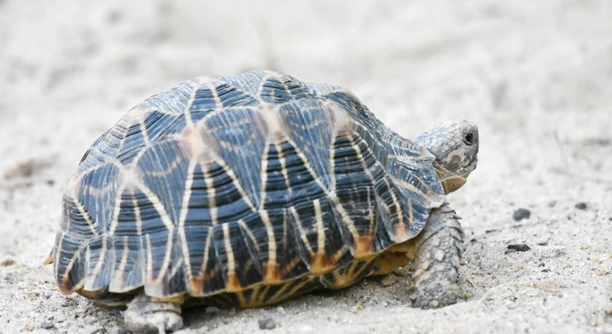
Turtles are fascinating pets, but it’s important to keep an eye on their health. One concern many owners face is whether their turtle is underweight. Knowing the signs can help ensure they stay healthy and happy.
The easiest way to determine if your turtle is underweight is by observing its body condition. Check for noticeable ribs, a lack of fat around the limbs, and an overall thin appearance. Regular weight monitoring also helps.
Knowing these signs can help you take proper action if your turtle isn’t gaining enough weight. Keep reading for more details on how to identify and manage this issue.
1. Check for Visible Ribs and Bones
One of the easiest ways to determine if your turtle is underweight is by looking at its body. If you can clearly see the ribs, spine, or other bones through its shell, this is a strong indication that it may not be getting enough nutrition. Healthy turtles should have some fat covering their bones, giving their body a rounded, smooth appearance. A turtle that’s too thin will have a sharp, bony look, especially around the limbs and neck.
Keep in mind that different species of turtles may have varying body shapes, but seeing bones clearly through the shell is a definite sign of concern. Regularly monitoring your turtle’s appearance can help you spot weight issues early.
If you’re unsure whether your turtle is underweight, you can check with a vet. They can give you advice based on your turtle’s species and health condition, helping you take the right steps to improve its well-being.
2. Look for Lethargy or Slow Movements
When a turtle is underweight, it might not have enough energy to move around much. It may seem lethargic and avoid activities it would normally enjoy, like swimming or basking in the sun. If your turtle spends most of its time resting in one spot and avoids moving, it could be struggling due to insufficient nutrition.
Turtles need a balanced diet to fuel their activities. If they’re not getting enough food, it impacts their overall energy. Observing your turtle’s behavior and noting any changes in its activity level can give you a good idea of its health. In some cases, low energy levels are a clear sign of underweight issues.
Weight problems can also cause stress, leading to a decrease in overall vitality. Over time, this lack of energy can make it difficult for the turtle to recover without proper intervention. Ensuring your turtle is well-fed and hydrated will help boost its energy levels and improve its overall health.
3. Monitor Your Turtle’s Weight Regularly
Weighing your turtle on a regular basis is essential for tracking its health. By comparing its weight over time, you can spot any significant changes that might indicate underweight issues. If your turtle’s weight decreases or stays stagnant, it may be time to assess its diet.
Turtles should be weighed on a scale that is precise enough to give you an accurate reading. Be consistent with the time and method you use, as this helps create a clear baseline. Keep a record of your turtle’s weight and consult a vet if the weight seems too low or if you notice a sharp drop.
Consistently monitoring weight is crucial, especially since underweight issues can be a result of poor diet, illness, or other factors. If you’re unsure whether your turtle’s weight is healthy, tracking changes over time will provide valuable insight into its overall well-being. Always remember that small fluctuations can be normal, but larger shifts should be addressed.
4. Assess Your Turtle’s Shell Condition
A healthy turtle’s shell should be smooth and well-formed. If your turtle’s shell looks sunken or overly soft, it may be a sign of malnutrition. A poor diet can cause shell deformities, which are often linked to an underweight condition.
The shell is a good indicator of overall health. When a turtle is properly nourished, its shell will grow strong and remain thick and sturdy. However, if it’s lacking essential nutrients, it can show physical signs of weakness, including a soft or uneven texture. This is especially common when a turtle isn’t eating enough.
A turtle with shell issues may also struggle with mobility and balance. These problems can make it even more difficult for your pet to get the food it needs, creating a cycle of declining health. Regular shell checks will help you spot these signs early and prevent further damage.
5. Look for Sunken Eyes
Sunken eyes are another clear indicator of underweight in turtles. When a turtle doesn’t get enough food, it can lose body fat, causing the eyes to sink inward. This is especially noticeable when compared to a healthy, well-fed turtle.
If the eyes appear hollow or deep-set, it suggests that the turtle is severely dehydrated or malnourished. In many cases, this can be a sign that the turtle is not getting the proper nutrients to maintain its overall health. If you notice this condition, seek veterinary advice immediately.
6. Check for Weakness in Limbs
If your turtle seems weak or struggles to move its limbs normally, it could be a sign of underweight. This is often due to a lack of energy caused by insufficient nutrition. Weakness in the limbs is one of the more noticeable symptoms in turtles.
A turtle’s ability to swim, move, and even climb out of the water can be affected by a lack of muscle mass. The more underweight a turtle becomes, the more its physical strength will be impacted. Regularly observing your turtle’s movement and strength is a good way to catch early signs of weight loss.
7. Ensure Proper Diet and Nutrition
Proper diet and nutrition are essential to prevent underweight issues. If your turtle is not eating enough or is offered an unbalanced diet, it may lose weight. A healthy diet should include both plant-based and protein-rich foods, tailored to your turtle’s species.
A diet rich in leafy greens, high-quality pellets, and occasional protein sources like worms or fish will provide the nutrients your turtle needs to stay healthy. Also, ensure they have access to clean water at all times, as dehydration can contribute to weight loss. If your turtle is picky, try offering a variety of foods to encourage eating.
FAQ
What should I do if my turtle is underweight?
If you notice that your turtle is underweight, the first step is to assess its diet. Make sure you’re offering a balanced mix of foods, including leafy greens, proteins, and pellets suited for its species. If your turtle isn’t eating enough, try different foods or adjust its feeding schedule. Consult a vet for advice on any underlying health issues. In some cases, supplementation may be needed to restore the turtle’s health.
Can I fix an underweight turtle by feeding it more?
Yes, increasing your turtle’s food intake can help it regain weight, but it’s important to provide the right type of food. Overfeeding with the wrong food, such as too many sugary fruits or high-fat options, could lead to other health problems. Ensure a well-balanced diet and offer food in the correct proportions for its species. You should also monitor the turtle’s weight regularly to make sure it is gaining at a healthy rate.
How do I know if my turtle is getting the right amount of food?
The right amount of food depends on your turtle’s species, size, and age. Generally, juvenile turtles need more food than adults since they are still growing. A good rule of thumb is to feed your turtle only what it can eat in 15 to 20 minutes, removing any uneaten food afterward. Keep track of your turtle’s weight, shell condition, and activity level to gauge whether it’s getting the proper amount of nutrition.
Can stress cause a turtle to lose weight?
Yes, stress can cause a turtle to lose weight, as it may eat less or become lethargic when stressed. Stressors for turtles can include environmental changes, improper tank conditions, lack of hiding spaces, or aggressive tank mates. Ensure that your turtle’s habitat is suitable, with a proper basking area, clean water, and appropriate temperature levels. Reducing stress and creating a peaceful environment will encourage healthier eating and weight gain.
Should I be concerned if my turtle is a bit smaller than others of its age?
Size differences between turtles of the same age can occur, but if your turtle is significantly smaller and appears underweight, it could be a sign of health problems. It’s important to monitor its overall condition, including weight, shell health, and activity levels. If your turtle is smaller but healthy, there’s generally no cause for concern. However, if you notice signs of weight loss, lethargy, or poor appetite, you should consult a veterinarian to rule out any medical issues.
How long does it take for a turtle to gain weight?
The time it takes for a turtle to regain weight depends on its health, diet, and the cause of the weight loss. If your turtle is underweight due to diet issues, you may notice gradual improvements within a few weeks of providing a better-balanced diet. For turtles with more serious health issues, it could take longer and require veterinary care. Patience and consistent care are key to helping your turtle recover and regain healthy weight.
Can I feed my turtle human food to help it gain weight?
While it may seem like a quick solution, feeding your turtle human food is not recommended. Many human foods are too rich, high in sugar, or lacking the nutrients turtles need. For example, foods like bread, dairy, or processed snacks can harm your turtle’s digestive system. Stick to foods formulated for turtles and offer a variety of fresh vegetables, fruits, and animal protein as appropriate for its species.
What are the signs that my turtle is not eating enough?
If your turtle is not eating enough, you may notice it losing weight, becoming lethargic, or showing signs of dehydration such as sunken eyes. A decreased interest in food or refusal to eat for extended periods is another sign. In some cases, you may see your turtle avoiding specific food types, which could indicate a dietary preference or an issue with its food. If your turtle’s eating habits change or it refuses to eat for several days, consult a vet to address the problem.
Can feeding too much cause my turtle to become underweight?
While it may seem counterintuitive, feeding too much of the wrong food can sometimes lead to an underweight or unhealthy turtle. If your turtle consumes too many high-fat or low-nutrient foods, it may develop digestive problems or imbalances that prevent it from absorbing the necessary nutrients. It’s important to feed a well-rounded diet in proper amounts and ensure your turtle isn’t overfed with unhealthy food types.
Can an underweight turtle recover on its own?
An underweight turtle may recover on its own if the issue is minor and if the environment and diet are properly adjusted. However, if the weight loss is significant or caused by illness, your turtle will need veterinary intervention to get back to a healthy weight. In many cases, the underlying cause needs to be addressed to ensure full recovery. Proper diet, hydration, and stress management will also aid in the recovery process.
Are certain turtle species more prone to being underweight?
Some turtle species are more susceptible to weight issues, especially those with higher metabolic rates or more specific dietary needs. For example, aquatic turtles might have different nutritional needs compared to land-dwelling species. It’s important to know the specific requirements of your turtle’s species and provide a diet tailored to its needs. If in doubt, always consult a vet for guidance on species-specific care.
Final Thoughts
Taking care of a turtle’s health requires regular attention to its diet, weight, and overall well-being. When a turtle becomes underweight, it’s important to address the issue as soon as possible. Signs like visible ribs, lethargy, and a sunken shell or eyes are all clear indicators that something is wrong. By monitoring these signs and maintaining a proper diet, you can help prevent your turtle from becoming underweight. Regular checkups with a vet are also essential to ensure your turtle is getting the care it needs.
A balanced diet is one of the most important factors in keeping your turtle healthy. Turtles need a mix of leafy greens, high-quality pellets, and animal protein, depending on their species. Overfeeding or underfeeding can both cause issues, so it’s essential to find the right balance. In addition to food, hydration is key. Turtles need access to clean water at all times to help with digestion and overall health. Make sure the water temperature is appropriate for your turtle’s species, as this can also affect its eating habits and activity levels.
If you’re concerned about your turtle’s health or notice signs of being underweight, don’t hesitate to reach out to a veterinarian. A vet can provide specific advice on how to address any health issues and offer guidance on improving your turtle’s diet. With the right care, most underweight turtles can recover and return to a healthy weight. Always remember that a little prevention and regular observation can go a long way in ensuring your turtle lives a long and healthy life.

Hello,
If you enjoy the content that we create, please consider saying a "Thank You!" by leaving a tip.
Every little bit helps us continue crafting quality advice that supports the health, happiness, and well-being of pets around the world, for pets of all shapes, sizes, and species.
We really appreciate the kindness and support that you show us!