
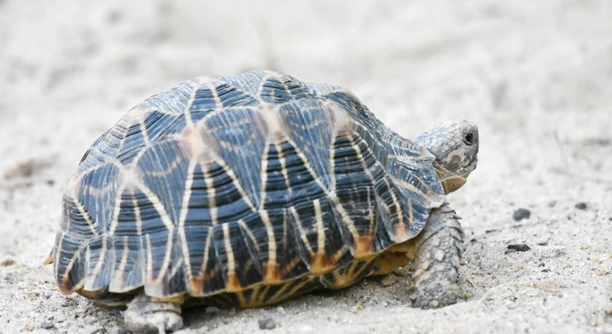
Turtles are unique creatures that require proper care to thrive. One important factor is ensuring they stay hydrated. Dehydration in turtles can lead to various health issues, which is why knowing the signs is essential for their well-being.
Dehydration in turtles is often indicated by changes in their behavior, such as reduced activity and a lack of appetite. Observing their skin and shell for dryness or abnormal texture can also help identify dehydration. Ensuring they have access to fresh water is crucial.
Recognizing dehydration early can prevent more serious health issues. By monitoring your turtle’s behavior and environment, you can help keep them healthy and hydrated.
Signs of Dehydration in Turtles
When a turtle is dehydrated, it may exhibit several noticeable signs. The most obvious indicator is a lack of activity. A turtle that normally enjoys swimming, basking, or exploring may become sluggish or lethargic. Another sign is a change in their eating habits, with many dehydrated turtles refusing food altogether. You may also notice that their skin and shell appear dry or shriveled, which can indicate a lack of moisture. In severe cases, their eyes may become sunken or watery, signaling a more serious issue. It’s crucial to address dehydration promptly to avoid long-term health problems.
Proper hydration is vital to a turtle’s health. Lack of water intake can impact digestion, mobility, and overall energy levels. Therefore, it’s important to observe your turtle closely and take immediate action if any of these signs appear.
If you suspect your turtle is dehydrated, providing access to clean, fresh water in a shallow dish is essential. Additionally, adjusting the humidity levels in their enclosure can help restore moisture to their skin and shell.
Preventing Dehydration in Turtles
Ensuring your turtle stays hydrated requires more than just giving them a bowl of water. Regularly monitoring the humidity levels in their environment is important, especially for species that thrive in humid conditions. Make sure your turtle has access to both a water dish for drinking and a proper soaking area to keep their skin moist.
Providing proper hydration begins with understanding the needs of your turtle. Species like box turtles need a humid environment, while aquatic turtles need access to water for both drinking and soaking. Additionally, incorporating misting or humidifiers in the tank can help mimic their natural habitat.
How to Provide Proper Hydration
Providing hydration for your turtle involves more than just offering a water dish. Fresh water should always be available, and it should be changed regularly to prevent bacteria growth. A shallow dish works best, as turtles may struggle to drink from deeper containers.
Ensure your turtle’s enclosure has the right humidity levels. You can achieve this by misting the tank or using a humidifier, especially if you have a species that thrives in moist conditions. Aquatic turtles need access to water for both drinking and soaking, while land turtles should have a soaking area.
A combination of fresh drinking water, appropriate soaking areas, and humidity control is the key to keeping your turtle hydrated. Regularly monitor the water quality and humidity to create an environment that promotes your turtle’s overall health and well-being.
Soaking Your Turtle
Soaking is an essential practice for many turtles, especially land-dwelling species. It helps them stay hydrated and can also aid in digestion. Simply place your turtle in a shallow, lukewarm water bath for about 20-30 minutes a few times a week.
Turtles that are reluctant to soak on their own can benefit from a gentle nudge. To encourage soaking, use a shallow dish that’s wide enough for your turtle to move around in but not too deep. You can also place your turtle in a warm, shallow bath that reaches only to their legs. This helps stimulate the natural behaviors of drinking and soaking. Regular soaking prevents dehydration and supports their overall health.
Observing Behavioral Changes
When turtles are dehydrated, their behavior often changes. They become less active and may refuse to bask or swim. This lack of energy is a clear sign that something is wrong. If your turtle is spending more time hiding or sitting still, dehydration might be the cause.
Dehydration can also impact their appetite. A turtle that normally eats with enthusiasm might lose interest in food. If you notice a lack of movement and eating habits changing, dehydration could be the problem. It’s important to act quickly before it leads to other health complications.
Checking Their Skin and Shell
A common sign of dehydration in turtles is the appearance of their skin and shell. Dry or flaky skin, especially around the edges of the shell, is a sign that moisture levels are low. In some cases, the shell may become soft or misshapen.
If the skin feels tight or rough to the touch, it’s time to increase humidity and offer more water. Make sure the turtle’s environment has enough moisture to maintain skin and shell health. Dehydration can worsen rapidly if not addressed early on.
Monitoring Water Quality
The quality of the water your turtle has access to plays a major role in hydration. Water that is murky or contains waste can discourage drinking and bathing. Regularly change the water in their dish and tank to keep it clean.
Maintaining proper water conditions, like filtering the water for aquatic species, ensures that your turtle stays hydrated. Clean water encourages them to drink, helping to prevent dehydration. Make sure to also check for any harmful chemicals that might be in tap water.
FAQ
What should I do if my turtle is dehydrated?
If your turtle shows signs of dehydration, offer access to fresh, clean water immediately. You can soak them in lukewarm water for about 20-30 minutes to help hydrate them. Make sure their enclosure has proper humidity levels, depending on the species. If symptoms persist, consult a veterinarian.
How can I tell if my turtle is drinking enough water?
It’s difficult to directly observe how much water a turtle drinks, but you can monitor its behavior. A well-hydrated turtle will show normal activity levels and eat regularly. If your turtle is lethargic or refuses food, dehydration could be a problem. Regular access to clean water is essential.
Can a turtle survive without water?
Turtles, especially aquatic species, need access to water at all times. While some species, like box turtles, may survive in a dry environment for short periods, prolonged dehydration can lead to serious health issues. Ensuring they have constant access to water is essential for their overall health.
How do I make sure my turtle’s environment stays humid enough?
To keep your turtle’s environment humid enough, regularly mist the enclosure or use a humidity-controlled system. For aquatic turtles, the water should always be clean and provide a good soaking area. For land turtles, a shallow soaking dish and a humidified habitat are necessary to prevent dehydration.
How often should I soak my turtle?
The frequency of soaking depends on the species. Aquatic turtles may only need occasional soaking, while land turtles should be soaked more frequently. Typically, soaking once or twice a week for 20-30 minutes is beneficial. Ensure the water temperature is warm but not too hot.
Can dehydration cause a turtle to stop eating?
Yes, dehydration can lead to a lack of appetite in turtles. If your turtle is not drinking enough water, it may not feel hungry or energetic enough to eat. Offer clean water and soak them to help rehydrate. If the issue persists, seek veterinary advice.
What temperature should my turtle’s water be for soaking?
Water temperature for soaking should be around 75-85°F (24-29°C) for most species. The water should be warm but not too hot, as extreme temperatures can cause stress or shock. Always check the temperature before soaking your turtle to avoid any harm.
What are the best ways to prevent dehydration in my turtle?
To prevent dehydration, ensure your turtle always has access to clean water. Maintain proper humidity in their enclosure, and soak them regularly, especially if they are a species that needs extra moisture. Monitor their behavior and health regularly for signs of dehydration.
Is it normal for my turtle to soak in water for long periods?
It’s normal for some species, especially aquatic turtles, to spend a lot of time in the water. However, if your turtle is spending excessive amounts of time soaking, it might be a sign of dehydration or other health issues. Ensure they have adequate access to both water and dry areas.
Can I use bottled water for my turtle?
Bottled water can be used for turtles, but it’s important to avoid water that contains added minerals or chemicals. Some bottled water may not be ideal because it lacks necessary minerals or has excess salts. Always check the water’s composition before offering it to your turtle.
What signs indicate a severe case of dehydration?
Severe dehydration in turtles can cause symptoms such as sunken eyes, wrinkled or dry skin, and lethargy. Their shells may become soft or misshapen, and they may lose interest in food. If you notice any of these signs, it’s important to take immediate action and consult a veterinarian.
Can dehydration affect my turtle’s shell?
Yes, dehydration can lead to problems with the shell. The shell may become soft, dry, or cracked due to a lack of moisture. This condition, known as “shell rot,” can develop if dehydration is not addressed. Regular hydration is necessary to maintain shell health.
How can I increase humidity in my turtle’s tank?
You can increase humidity by misting the tank daily, using a humidifier, or adding live plants that naturally raise moisture levels. Make sure the humidity level matches the specific needs of your turtle species. For aquatic turtles, ensure the water level is high enough to allow proper soaking.
Should I add anything to the water to help my turtle stay hydrated?
For most turtles, clean, fresh water is all they need to stay hydrated. However, some turtle owners choose to add turtle-safe products like electrolyte solutions or water conditioners. Always check with a veterinarian before adding anything to the water to ensure it’s safe for your turtle.
Can I use a water heater for my turtle’s soaking area?
A water heater can be helpful for maintaining an appropriate water temperature in your turtle’s soaking area, especially for aquatic species. Ensure the heater is set to a safe temperature range and regularly monitor it to avoid overheating. Overheating can cause stress or harm to your turtle.
Do I need to change the water in my turtle’s tank daily?
For most turtles, it’s recommended to change the water in their tank at least once a week. However, if you notice the water becoming dirty or contaminated quickly, it’s a good idea to change it more often. Regular water changes help prevent bacteria growth and ensure proper hydration.
Can I offer my turtle fruits and vegetables to help with hydration?
Yes, offering fruits and vegetables high in water content, like watermelon or cucumber, can supplement your turtle’s hydration. However, this should not replace access to clean water. Fresh produce can add hydration but should be given in moderation as part of a balanced diet.
Why is my turtle’s skin so dry despite soaking?
Dry skin can be a sign of low humidity or insufficient soaking. Ensure the tank is humid enough and that your turtle is soaking in the appropriate temperature. If the dryness persists, it could be a sign of dehydration, and you should consult a veterinarian for further advice.
Final Thoughts
Dehydration in turtles is a serious condition that can lead to a range of health problems if not addressed promptly. Ensuring your turtle stays hydrated involves maintaining a clean water supply, providing appropriate humidity levels, and offering regular opportunities for soaking. Different species may have different hydration needs, so it’s important to understand your turtle’s specific requirements. Regular monitoring of your turtle’s behavior, activity levels, and appearance can help you catch signs of dehydration early before it becomes a more severe issue.
Prevention is key when it comes to dehydration. Providing consistent access to water is essential for all turtle species, whether aquatic or land-dwelling. If you are unsure about the best way to care for your specific type of turtle, researching their natural habitat and environment will help guide you. Keeping their living space clean, ensuring they have a proper balance of wet and dry areas, and using appropriate methods to maintain humidity can all help prevent dehydration. If you’re unsure whether your turtle is hydrated, it’s better to take precautions and offer more water than risk leaving them dehydrated.
If dehydration becomes severe, it can lead to long-term health complications that are difficult to reverse. Soft or damaged shells, a lack of energy, or refusal to eat are clear signs that immediate action is required. When in doubt, a visit to a veterinarian is always a good idea to ensure your turtle is healthy and properly hydrated. Dehydration is preventable with proper care and attention, and maintaining an ideal environment for your turtle is the first step to keeping them healthy and hydrated.

Hello,
If you enjoy the content that we create, please consider saying a "Thank You!" by leaving a tip.
Every little bit helps us continue crafting quality advice that supports the health, happiness, and well-being of pets around the world, for pets of all shapes, sizes, and species.
We really appreciate the kindness and support that you show us!