
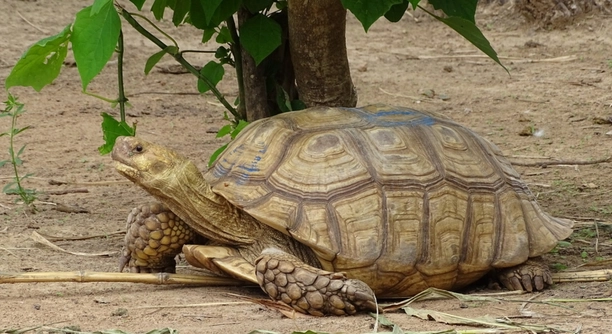
Sulcata tortoises, like all reptiles, require careful attention to their environment, especially when it comes to temperature. Ensuring they remain comfortable is vital for their health and well-being.
To determine if your Sulcata tortoise is too hot, look for signs of distress such as excessive basking, rapid breathing, lethargy, or seeking shelter. Overheating can lead to serious health issues, including dehydration or heatstroke.
Recognizing the signs early can help you make adjustments in your pet’s habitat to keep them comfortable. Proper temperature regulation is key to preventing stress and ensuring a happy, healthy tortoise.
Signs of Overheating in Sulcata Tortoises
One of the first things to watch for when your Sulcata tortoise is too hot is excessive basking. If they stay under the heat source for longer than usual or appear uncomfortable, this may indicate they’re trying to regulate their body temperature. Rapid breathing is another clear signal that your tortoise is struggling with heat. When a tortoise becomes too warm, it may pant or breathe quickly, similar to how some animals sweat to cool down.
Additionally, lethargy or hiding are behaviors to note. Overheated tortoises will often retreat into their shelter in an attempt to escape the heat. If you notice your tortoise acting unusually tired or sluggish, it’s crucial to check the temperature. If left unchecked, these symptoms can escalate quickly.
These early signs should never be ignored. Keeping a close eye on their behavior and environment can prevent more severe consequences like dehydration or heatstroke.
Temperature Regulation Tips
Maintaining proper temperature gradients in the habitat is essential for your tortoise’s comfort. Provide both a basking spot and a cooler area for them to retreat when needed.
The right temperature for a Sulcata tortoise ranges from 85-95°F (29-35°C) in the basking area and 75-80°F (24-27°C) in the cooler side. It’s important to ensure the heat source doesn’t cause overheating, which can stress out your tortoise and lead to health issues. You should also monitor the humidity level in their enclosure, as excessive heat combined with low humidity can exacerbate dehydration.
A thermometer placed in various spots inside the enclosure is a useful tool to track temperature. This simple step can help you adjust the heating elements, ensuring your tortoise has a comfortable environment. Regular checks are especially important during summer months when external temperatures fluctuate, causing the enclosure to heat up faster.
In addition to monitoring the temperature, offering shaded areas or cool hide spots can give your tortoise the freedom to regulate its body temperature naturally.
What to Do If Your Tortoise Gets Too Hot
If you notice signs of overheating in your Sulcata tortoise, it’s essential to take immediate action to cool them down. First, remove them from the heat source and place them in a cooler area of the enclosure. Make sure this area has enough airflow, as it will help lower their body temperature.
To help rehydrate your tortoise, offer a shallow dish of cool water. This will allow them to drink or soak, which can aid in cooling them down. Make sure to monitor their behavior closely after they cool off. If they continue showing signs of distress, such as excessive breathing or not eating, it might be a sign that the temperature problem needs to be addressed more urgently.
If the overheating appears severe or you are unable to bring your tortoise’s temperature down, it’s a good idea to consult with a vet. Heatstroke in tortoises can lead to long-term damage, so the quicker the issue is addressed, the better.
How to Adjust the Temperature in Their Habitat
If your tortoise is showing signs of overheating, adjusting the temperature in their habitat is a quick solution. Start by moving their heat source further away or adjusting the wattage of the heat lamp.
The basking area should never exceed 95°F (35°C), as this can stress your tortoise. Lowering the temperature in the enclosure can be as simple as turning down the heat or adding a fan for better air circulation. Ensure there is still a warm side for your tortoise to bask in while allowing them access to cooler areas where they can rest. Proper ventilation plays a big role in preventing excessive heat buildup.
Use a thermometer to double-check the new temperature after adjustments. The range for a healthy tortoise habitat is usually 75-80°F (24-27°C) on the cool side.
The Importance of Hydration
Dehydration is a real concern when your tortoise is too hot. If they’re struggling with high temperatures, they will lose fluids faster, making them more prone to dehydration. Always have fresh water available.
To help rehydrate your tortoise, consider soaking them in lukewarm water for about 15 to 20 minutes. This process can be soothing and help replenish the moisture they’ve lost. It’s important to keep an eye on their water consumption as they might drink more frequently when they feel overheated. Make sure the water is shallow enough for them to comfortably soak and hydrate without feeling overwhelmed.
Regular hydration not only keeps them cool but also supports their overall health. A hydrated tortoise will be more active, less stressed, and better able to digest food.
Recognizing Heat Stress Symptoms
Heat stress can be dangerous for a Sulcata tortoise. It’s important to be aware of signs like rapid breathing, excessive basking, or lethargy. These symptoms are usually indicators of too much heat.
If these behaviors appear, it’s essential to act quickly. Moving them to a cooler area and ensuring they have access to water can help lower their body temperature. The sooner you address these signs, the better chance you have of avoiding further health complications. Always monitor them closely after adjusting the temperature.
Cooling Methods for Overheated Tortoises
If your tortoise becomes too hot, you can help cool them down by gently placing them in a shaded area with good airflow. Offering a shallow dish of cool water allows them to rehydrate. Sometimes, applying a cool, damp cloth to their shell can also bring relief.
If your tortoise continues to show signs of distress despite these efforts, consider a visit to the vet. In severe cases, professional help may be necessary to treat heat-related issues. Taking proactive steps to cool them down can prevent permanent damage to their health.
Adjusting the Enclosure for Proper Ventilation
Ensure that your tortoise’s enclosure is properly ventilated. A well-ventilated habitat prevents the buildup of heat and humidity. Poor air circulation can exacerbate the temperature problem, making it harder for your tortoise to cool off.
FAQ
What temperature should my Sulcata tortoise’s habitat be?
The ideal temperature for a Sulcata tortoise is around 85-95°F (29-35°C) in the basking area. The cooler side should stay between 75-80°F (24-27°C). This range allows your tortoise to regulate its body temperature by moving between warmer and cooler spots.
How can I tell if my tortoise is too hot?
Signs of overheating include excessive basking, rapid breathing, lethargy, and hiding in cooler areas. If your tortoise appears sluggish or seeks shelter more often, it may be trying to escape the heat. Quick adjustments are necessary to avoid heatstroke or dehydration.
Can my Sulcata tortoise overheat in direct sunlight?
Yes, a Sulcata tortoise can overheat in direct sunlight, especially if they are exposed for extended periods without access to shade. While they need sunlight for Vitamin D3, they should always have a way to retreat to a cooler area if the sun becomes too intense.
How do I know if my Sulcata tortoise is dehydrated?
Dehydration signs include sunken eyes, dry skin, and a lack of appetite. If your tortoise seems sluggish or is not eating, dehydration may be the cause. Make sure your tortoise always has access to fresh water, and soak them in shallow lukewarm water if dehydration is suspected.
What can I do to prevent my tortoise from overheating?
Ensure the habitat has a proper temperature gradient, with cooler and warmer areas. Provide a shaded retreat for your tortoise to escape direct heat. Use a thermometer to monitor the temperature and adjust lighting or heating as needed. Proper ventilation also helps regulate temperature and humidity.
Is it safe for my tortoise to soak in water when it’s hot?
Yes, soaking your tortoise in shallow water can help lower their body temperature if they are too hot. It also aids in rehydration. Just make sure the water is lukewarm, not cold, as extreme temperatures can cause additional stress.
How often should I check the temperature in the habitat?
It’s best to check the temperature at least once a day to ensure it stays within the recommended range. Temperature fluctuations, especially in the summer, can cause overheating or discomfort for your tortoise. A thermometer in multiple spots in the habitat will give you accurate readings.
Can heat stress cause long-term health problems in my tortoise?
Yes, prolonged heat stress can lead to serious health issues like dehydration, organ damage, or heatstroke. If your tortoise experiences severe overheating, it could affect its digestive system, immune system, and overall well-being. Quick action can prevent lasting damage.
Should I use a heat lamp for my tortoise?
Yes, a heat lamp is important for providing the basking spot your tortoise needs. It mimics natural sunlight and helps regulate their body temperature. However, the heat lamp should be adjusted properly to avoid overheating. Ensure that it’s not too close or too hot for comfort.
What’s the best way to cool my tortoise down if they get too hot?
Move your tortoise to a cooler area immediately. Offer a shallow dish of fresh water for drinking or soaking. A damp cloth applied to their shell can also help. If symptoms of overheating persist, it’s important to consult a vet to avoid long-term harm.
How can I adjust the temperature if it’s too high?
If the temperature is too high, try moving the heat lamp further away from the basking area. You can also lower the wattage or use a fan for better air circulation. Ensure that there are cooler areas for your tortoise to escape the heat.
Can I use a cooling pad or fan for my tortoise?
Yes, a fan can help with ventilation, but avoid placing it directly on your tortoise. It’s best used to circulate air and prevent the habitat from becoming too stuffy. A cooling pad may also help, but always monitor your tortoise to ensure it doesn’t get too cold.
How long can a Sulcata tortoise stay in the heat without getting stressed?
A Sulcata tortoise can tolerate heat for short periods but should always have access to shade and cooler spots. Prolonged exposure to high temperatures without relief can lead to stress and health issues. Regularly check their behavior for signs of overheating.
What are the dangers of letting my tortoise get too hot?
Excessive heat can lead to dehydration, heatstroke, and potentially fatal organ damage. If your tortoise becomes overheated, it can suffer from reduced appetite, lethargy, and difficulty breathing. It’s crucial to monitor their environment and act quickly if signs of distress appear.
How do I know if the humidity is right for my tortoise?
Sulcata tortoises do well in a dry environment, but it’s still important to monitor humidity levels. A humidity range of 30-50% is generally ideal. If the air is too dry, it can exacerbate dehydration, especially in hot conditions. You can use a hygrometer to track humidity.
Can a Sulcata tortoise handle heat in the winter?
In winter, the temperatures typically need to be regulated, as they might not get enough natural warmth. Ensure that the heat source is sufficient during colder months, but avoid overheating the habitat. A balance of warmth is essential for maintaining comfort year-round.
Is it okay to take my tortoise outside when it’s hot?
If the temperature is above 95°F (35°C), it’s not advisable to take your tortoise outside. Tortoises can quickly overheat in high heat and direct sun. Always ensure they have access to shade, cool areas, and plenty of water when outside.
Final Thoughts
Taking care of a Sulcata tortoise requires attention to many factors, and temperature is one of the most important. These tortoises are sensitive to heat, and maintaining the right environment can prevent stress and health problems. Overheating is a real concern, but with the proper care and regular checks, you can keep your tortoise safe and comfortable. Always monitor their behavior closely, as signs of overheating can sometimes appear quickly. Knowing how to respond when your tortoise is too hot can make all the difference in preventing severe health issues.
It’s essential to understand your tortoise’s needs and adjust the habitat accordingly. Providing both a warm basking spot and a cooler area allows them to regulate their body temperature. Temperature gradients help your tortoise decide where to go based on how they feel. Regularly using a thermometer in their enclosure helps ensure you’re on top of things, especially as weather conditions change. In addition to temperature, always make sure they have fresh water available, and don’t forget the importance of ventilation to maintain a comfortable environment.
By staying proactive and educated about their needs, you can ensure your Sulcata tortoise thrives in your care. If you ever feel unsure about your tortoise’s health or the environment you’re providing, reaching out to a vet or expert can help you address any concerns. With a little attention and care, you can provide a safe, healthy habitat for your tortoise, ensuring they live a long and happy life.

Hello,
If you enjoy the content that we create, please consider saying a "Thank You!" by leaving a tip.
Every little bit helps us continue crafting quality advice that supports the health, happiness, and well-being of pets around the world, for pets of all shapes, sizes, and species.
We really appreciate the kindness and support that you show us!