
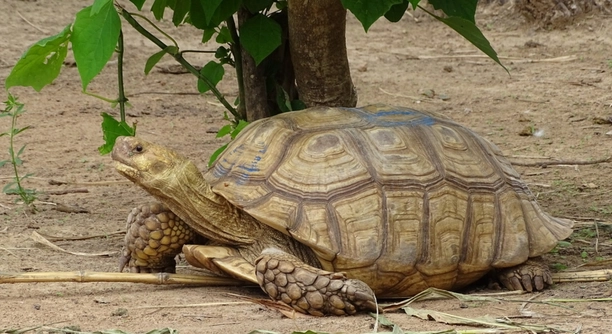
Sulcata tortoises are hardy reptiles that require specific care, including proper temperature regulation. Understanding when your tortoise is too hot is essential for their health and well-being. Keeping an eye on their environment can help prevent overheating.
A sulcata tortoise is too hot if it shows signs of stress, such as excessive basking, lethargy, or abnormal behavior. Temperature regulation is crucial for their survival, as prolonged heat can cause dehydration, heatstroke, or even death.
Recognizing these signs early can prevent serious health issues for your tortoise. It is important to maintain a comfortable temperature range to keep your sulcata safe and thriving.
1. Overheating from Direct Sun Exposure
If your sulcata tortoise is exposed to the sun for too long without any shade or cooling options, it can quickly become overheated. Sulcatas are used to hot environments, but even they need a place to retreat from excessive sun. A constant, direct heat source can cause their body temperature to rise too high, which may lead to heatstroke. It’s important to have shaded areas in their habitat to allow them to cool off when necessary. Without this balance, a sulcata can experience dehydration or physical stress, which impacts their overall health. Keeping an eye on the temperature and offering shaded areas will ensure your tortoise stays comfortable and safe.
Be sure to check the temperature regularly and create shaded zones. Your tortoise will appreciate the opportunity to cool off.
Excessive heat can lead to more than just physical discomfort. A sulcata tortoise can become lethargic and may even refuse to eat, signaling that it is too hot. They will likely seek out cooler spots to rest, indicating they are unable to manage the heat effectively. You can prevent this by controlling their environment, ensuring they have access to cooler areas when needed. It’s a good idea to place their enclosure in a location where sunlight isn’t constant, or use heat lamps with a timer to manage temperature more easily. These simple adjustments can help avoid stress and keep your sulcata healthy.
2. Lack of Proper Ventilation
A poorly ventilated enclosure can lead to your sulcata becoming too hot. Without fresh air circulating, the heat can build up, making the tortoise more susceptible to heat stress. Proper ventilation helps maintain an ideal temperature, reducing the chance of overheating.
In a poorly ventilated area, temperatures can spike quickly, leading to dangerous conditions.
Without airflow, warm air is trapped inside, causing the environment to become too hot. This can lead to breathing issues and further stress for your sulcata. You should make sure their habitat has plenty of openings or vents to allow air to circulate. Having proper airflow ensures that the temperature remains manageable and allows your tortoise to breathe comfortably. You can also position fans around the enclosure to help with air movement. Keeping your sulcata’s space well-ventilated is one of the easiest ways to avoid heat-related health problems.
3. Improper Heating Equipment
Using heating equipment that’s too powerful or not regulated properly can quickly cause your sulcata tortoise’s environment to overheat. Make sure you’re using a heat lamp or heating pad that provides a steady, moderate temperature.
Heating equipment should be monitored closely to avoid overheating your tortoise’s enclosure. Check the temperature regularly with a thermometer to ensure it stays within the right range. If the heat source is too close or too strong, it can raise the temperature above what is safe for your sulcata. Be sure to choose equipment designed for reptile care, as improper heating could put your tortoise’s health at risk.
Some people make the mistake of using household heaters, which can easily get too hot for a sulcata. Reptile-specific heaters are designed to maintain the correct temperature. It’s crucial to keep the heat source at the correct distance to avoid direct heat contact, which could stress your tortoise. Always ensure you’re providing a warm basking spot but also a cooler area where your sulcata can escape the heat when needed. A thermometer and regular checks will help you keep things in balance.
4. Dehydration
When a sulcata tortoise becomes too hot, it can become dehydrated. This is especially true if they don’t have access to fresh water or moisture. Dehydration can lead to health problems and make your tortoise even more susceptible to heat stress.
Always provide a shallow water dish for your tortoise. This allows them to drink whenever they need. If the temperature is too high, you may notice your tortoise drinking more often or spending more time in the water.
It’s essential to provide water that’s clean and easily accessible. Ensure their habitat has a humidity level that is suitable for sulcatas. Dehydration can cause a number of health issues, including loss of appetite, lethargy, and weakened immune systems. If your tortoise shows signs of dehydration, such as dry eyes or wrinkled skin, you’ll need to take action immediately. Regular hydration not only helps maintain your sulcata’s health but also plays a role in regulating their body temperature, keeping them comfortable in warmer conditions.
5. Heatstroke Symptoms
If your sulcata tortoise gets too hot, it might show signs of heatstroke. Symptoms include excessive panting, drooling, or a lack of movement. These signs should never be ignored, as heatstroke can be life-threatening.
A sulcata suffering from heatstroke will look very weak and unresponsive. The tortoise may stop eating or drinking, and you may notice it lying flat on the ground. This is a clear sign that the environment is too hot. If you notice any of these symptoms, you should immediately take steps to cool your tortoise down.
To prevent heatstroke, always ensure your tortoise has access to cooler areas. A shaded spot in its enclosure is essential, and a misting system can help regulate the humidity. Never leave a sulcata in an overly hot or enclosed area for too long, as it can quickly lead to serious health problems.
6. Inadequate Sheltering
Your sulcata tortoise needs more than just a sunny spot to thrive; it requires shelter from extreme temperatures. Without proper shelter, your tortoise may become overheated during the hottest parts of the day.
Make sure the shelter in their enclosure allows for both sun and shade. It’s essential to provide your tortoise with a spot where it can retreat from heat when necessary.
Shelter is not just for protection from rain or wind but also offers a way to control temperature. You can create a shaded area using natural materials or outdoor structures like rocks, wood, or tarps. This can help your sulcata regulate its body temperature by providing relief from the heat. Having multiple temperature zones in their environment helps them adjust throughout the day, ensuring their comfort.
FAQ
How can I tell if my sulcata tortoise is too hot?
You can tell if your sulcata is too hot by observing signs such as excessive panting, lethargy, or difficulty moving. They might also spend too much time basking under heat lamps without cooling off. If they are overly stressed or unresponsive, this is an indication that the temperature is too high.
What is the ideal temperature for a sulcata tortoise?
The ideal temperature for a sulcata tortoise’s habitat should be around 85-95°F during the day, with a basking spot reaching up to 100°F. The nighttime temperature should drop to about 70-75°F. A proper temperature gradient is crucial, so they can regulate their body temperature by moving between warmer and cooler areas.
Can I use a heat lamp to warm my sulcata’s enclosure?
Yes, a heat lamp can be used to warm your sulcata’s basking area. Ensure the lamp is positioned at a safe distance and check the temperature regularly. The heat source should be strong enough to create a warm basking spot but not cause the enclosure to overheat.
Should I provide my sulcata tortoise with shade?
Absolutely. Providing shade is essential, especially when the temperature is high. Sulcata tortoises need to be able to retreat to cooler areas when they feel too hot. Make sure their habitat has shaded spots or an area where they can find relief from the sun.
How often should I check my sulcata’s environment?
You should check your sulcata’s environment at least once a day, particularly the temperature and humidity levels. Adjusting the heat source or adding more shade as needed can help maintain the perfect balance for your tortoise’s comfort and safety.
Can sulcata tortoises tolerate extreme heat?
Sulcata tortoises are native to hot, arid regions, but they can only tolerate extreme heat for a short time. They are adapted to hot climates, but without access to shade or cooling, they can quickly overheat. Always ensure they have access to a cooler area.
What should I do if my sulcata becomes overheated?
If your sulcata tortoise becomes overheated, immediately move it to a cooler environment. Offer fresh water to help hydrate and cool it down. You can also lightly mist it with water to help lower its body temperature. If the symptoms persist, consult a vet.
Is it okay to leave my sulcata tortoise outside in hot weather?
Leaving your sulcata outside in hot weather is fine as long as it has access to shade and water. Never leave it exposed to direct sun for extended periods without a place to cool off. Also, ensure the temperature in the outdoor enclosure remains within a safe range.
What are signs of dehydration in a sulcata tortoise?
Signs of dehydration include dry, wrinkled skin, sunken eyes, and a lack of appetite. Your tortoise may also appear lethargic or refuse to move. Regular access to water and maintaining proper humidity levels will help prevent dehydration.
Can a sulcata tortoise get heatstroke?
Yes, a sulcata tortoise can get heatstroke if it is exposed to high temperatures without any way to cool down. Heatstroke is a serious condition that requires immediate attention. Symptoms include rapid breathing, drooling, and lethargy. Cooling the tortoise down and offering hydration is critical.
What is the best way to keep my sulcata cool during summer?
During the summer, make sure your sulcata has plenty of shaded areas and access to fresh water at all times. Misting the enclosure can help maintain proper humidity levels, and you can even place a cooling rock or wet towel in the shelter for extra relief.
Can I use fans to cool down my sulcata’s enclosure?
Yes, fans can help improve air circulation and cool down the environment, especially in an outdoor enclosure. However, be cautious not to make the enclosure too drafty, as this can stress your tortoise. Fans should only be used to support natural temperature regulation.
Should I worry about humidity levels for my sulcata tortoise?
While sulcatas don’t need extremely high humidity, it’s still important to maintain a moderate level. Too much humidity can make the enclosure feel warmer, while too little can cause dehydration. Aim for humidity levels between 30-50% for your sulcata’s comfort.
How can I regulate the temperature in an outdoor enclosure?
To regulate temperature in an outdoor enclosure, you should create shaded areas using rocks, plants, or tarps. You can also use heat lamps or pads for controlled warmth. Ensure the area offers a cool retreat for your tortoise, allowing them to adjust to their comfort level.
Can I use a thermostat for my sulcata’s heat source?
Yes, using a thermostat with your heat source is a good way to maintain consistent temperatures and avoid overheating. The thermostat will help regulate the heat output, ensuring that the basking area stays within the desired temperature range without fluctuations.
What are the risks of keeping a sulcata tortoise in temperatures that are too high?
Keeping a sulcata tortoise in excessively high temperatures can lead to heat stress, dehydration, and heatstroke. Prolonged exposure to extreme heat can also affect their metabolism and overall health, leading to serious complications. It’s important to provide a well-balanced temperature range at all times.
Final Thoughts
Taking care of a sulcata tortoise requires attention to their environment, especially when it comes to temperature. These tortoises are used to hot climates, but they still need careful monitoring to ensure they don’t overheat. Overheating can lead to serious health problems, including dehydration and heatstroke. By understanding the signs of overheating and knowing how to regulate their habitat, you can help your tortoise stay safe and comfortable.
Ensuring that your sulcata has access to shade, water, and a properly controlled temperature will keep it healthy. It’s important to have the right heating equipment and make sure it’s not too intense. A thermometer can be a simple and effective way to monitor the temperature, and a thermostat can help prevent overheating by regulating the heat source. Additionally, providing your sulcata with places to cool off during the day can help it maintain the ideal body temperature.
When you provide a stable environment for your sulcata tortoise, it will be more active, eat properly, and thrive. Pay attention to its behavior, especially in hot weather. If you see signs of distress, take action quickly. With the right care and attention, your sulcata will live a long, healthy life.

Hello,
If you enjoy the content that we create, please consider saying a "Thank You!" by leaving a tip.
Every little bit helps us continue crafting quality advice that supports the health, happiness, and well-being of pets around the world, for pets of all shapes, sizes, and species.
We really appreciate the kindness and support that you show us!