
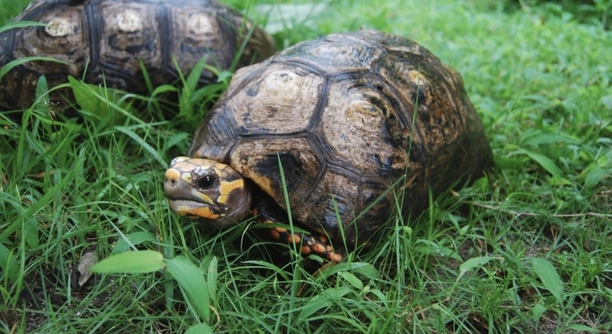
Understanding your red-footed tortoise’s comfort level is essential for its well-being. A healthy, happy tortoise requires a proper tank setup and the right environment. You may wonder how to gauge its comfort and happiness.
To determine if your red-footed tortoise is comfortable, observe its behavior, activity levels, and response to the tank conditions. A comfortable tortoise will display normal feeding, active exploration, and a relaxed posture. Monitor temperature, humidity, and substrate for signs of distress.
By understanding these key factors, you can ensure your tortoise remains content in its habitat. These insights will guide you in making the right adjustments for its health and comfort.
Observing Behavior and Activity Levels
A red-footed tortoise that feels comfortable in its tank will show active and healthy behavior. They are naturally curious animals, and their movements should reflect this. A comfortable tortoise will explore its enclosure, moving around in search of food or hiding spots. It will also be seen basking under the heat source or resting in a cool corner, depending on the temperature needs. These activities indicate that the tortoise feels safe and secure in its space.
Pay attention to how frequently your tortoise eats. If it refuses food or shows little interest in exploring, there may be something wrong with its environment. Over time, you may notice patterns in its movements, feeding times, and resting habits. Healthy tortoises will exhibit a balanced routine, moving around regularly and consuming food in an appropriate manner. If there is a drastic change in these behaviors, it could suggest discomfort or stress, which might require adjustments to the tank’s conditions.
Tank Temperature and Humidity
The temperature and humidity levels in the tank play a vital role in the comfort of your tortoise. It is essential to keep these factors within an acceptable range for your tortoise’s health. A comfortable temperature zone allows the tortoise to regulate its body heat. Make sure to use a thermometer and hygrometer to monitor these factors regularly.
Maintaining proper humidity is equally crucial. Your red-footed tortoise thrives in environments with humidity levels between 70% and 80%. Humidity helps in digestion and hydration, while a lack of it can lead to dehydration and skin problems. If the humidity level is too low, consider misting the tank or adding a humidity-friendly substrate. Conversely, if it’s too high, adjust the ventilation or substrate material to keep the balance. A proper setup ensures your tortoise can carry out its natural behaviors like basking, burrowing, and eating without stress.
Tank Setup and Enrichment
A well-equipped tank will contribute greatly to your red-footed tortoise’s comfort. It’s important to recreate a natural environment as much as possible. The substrate should be soft, dry, and easy to clean, offering a safe surface for burrowing and walking. You can use coconut coir or organic soil as these materials hold moisture well, mimicking the tortoise’s natural habitat.
Incorporating various enrichment items like hiding spots, climbing objects, and natural plants can keep your tortoise mentally and physically stimulated. A comfortable tortoise will enjoy activities such as climbing on rocks or exploring various hiding spots. These natural behaviors help reduce stress and ensure a happy, active life for your pet. Also, providing a small water dish for drinking and soaking is necessary for hydration and health maintenance. Creating an environment with both heat and cool zones will let your tortoise regulate its body temperature naturally, which is essential for its digestion and overall well-being.
Handling Stress and Environmental Changes
Red-footed tortoises are sensitive to changes in their environment. Shifting their tank setup or introducing new animals to the tank can cause stress. If you notice your tortoise becoming withdrawn or inactive after such changes, it’s likely a sign that it’s not adjusting well. Stress can manifest in behaviors such as excessive hiding or a lack of appetite, which might indicate that the tortoise feels threatened or insecure in its environment.
It’s also important to ensure the enclosure is not overcrowded or noisy, as these factors can lead to discomfort. If your tortoise displays signs of stress, try to keep its environment consistent and undisturbed. Reducing handling, maintaining a stable temperature and humidity level, and limiting unnecessary changes to its space can help reduce stress. The more secure your tortoise feels in its environment, the healthier and more active it will be.
Tank Size and Space for Movement
A red-footed tortoise needs enough space to move freely. An overcrowded tank can cause stress and discomfort. The enclosure should allow your tortoise to roam, explore, and exhibit natural behaviors without feeling restricted. A 40-gallon tank is recommended for a single tortoise, but larger spaces are always better.
When setting up the tank, ensure there is adequate room for the tortoise to walk, rest, and explore. Provide hiding spots or sheltered areas where the tortoise can retreat when it feels the need to relax. Make sure there’s enough space for basking and a cool zone where the tortoise can retreat to regulate its body temperature. Sufficient space helps to mimic the tortoise’s natural habitat, leading to a healthier, less stressed animal. It’s important that the tank is not too cramped, as this could result in limited movement and lower activity levels.
Food and Water Availability
Offering the right food and clean water is crucial for a comfortable tortoise. A proper diet supports its health and well-being. Always ensure your tortoise has access to fresh, clean water at all times. Avoid letting water sit for too long to prevent contamination.
When it comes to feeding, provide a balanced diet of leafy greens, fruits, and occasional protein. Red-footed tortoises are herbivores and thrive on high-fiber foods. Overfeeding fruits should be avoided due to high sugar content. It’s essential to offer variety while making sure all food is safe for your tortoise to consume. The availability of food and fresh water contributes to your tortoise’s comfort and happiness. Keeping the feeding area clean also helps maintain good health. Make sure the food is within easy reach to prevent unnecessary stress while eating.
Lighting and UVB Exposure
Proper lighting is essential for a red-footed tortoise’s health. A heat lamp is necessary to provide warmth, but UVB lighting is just as important. UVB exposure helps the tortoise produce vitamin D3, which is vital for calcium absorption and bone health.
Place the UVB light close enough for the tortoise to bask under but not too close to cause overheating. It’s recommended to use a bulb designed specifically for reptiles to ensure the light emits the right kind of UV rays. Replace the bulbs regularly, as their effectiveness decreases over time. Without proper UVB exposure, your tortoise may suffer from metabolic bone disease, leading to severe health issues.
Tank Maintenance and Cleanliness
Regular cleaning of your tortoise’s tank ensures a comfortable living environment. Remove uneaten food daily, and spot clean the substrate as needed. A complete tank cleaning should be done weekly. Scrub surfaces and replace soiled substrate to maintain hygiene.
A clean tank helps prevent bacterial growth and maintains proper humidity levels. If waste builds up, it can cause unpleasant odors and increase the risk of infection. Always sanitize water dishes and feeding containers to avoid contamination. Keeping the tank clean contributes to the overall health of your tortoise and reduces the likelihood of stress from an unhygienic environment.
FAQ
How do I know if my red-footed tortoise is too cold?
If your red-footed tortoise is too cold, it will likely become lethargic, slow-moving, or unresponsive. Tortoises tend to seek warmth by basking under their heat source. If it avoids basking or stays in a corner for extended periods, check the temperature of the tank. The warm side should range from 85 to 90°F, with the cooler side around 75°F. If the temperature is too low, your tortoise may have trouble digesting food and staying active.
Can I house multiple red-footed tortoises together?
It’s not recommended to house multiple red-footed tortoises together unless you have a very large enclosure. These tortoises can become territorial and may fight, especially if there isn’t enough space. If you do keep more than one, ensure the tank is spacious and has multiple hiding spots, basking areas, and feeding zones to reduce stress and territorial disputes.
What should I feed my red-footed tortoise?
Red-footed tortoises are primarily herbivores, so they should be fed a variety of leafy greens, such as kale, collard greens, and dandelion greens. Fruits like papaya, mango, and berries can be given occasionally as treats. It’s important to avoid feeding them high-protein foods or too many sugary fruits, as this can lead to health problems. Always make sure the food is fresh and clean, and offer a calcium supplement if needed for proper shell and bone development.
Can red-footed tortoises swim?
While red-footed tortoises can wade in shallow water, they are not strong swimmers. They may enjoy soaking in water to hydrate and regulate their body temperature, but they should not be left in deep water for long periods. Always provide a shallow water dish that allows your tortoise to soak comfortably without the risk of drowning.
How often should I feed my red-footed tortoise?
Feed your red-footed tortoise every other day, offering a variety of greens and fruits. Young tortoises may require more frequent feeding, while adults can be fed less often. Make sure to remove uneaten food to prevent it from spoiling. Always monitor your tortoise’s weight and health, adjusting feeding schedules if necessary.
Do red-footed tortoises hibernate?
Red-footed tortoises do not hibernate in the traditional sense, but they may experience a period of reduced activity during cooler months. In the wild, they may retreat to burrows or sheltered areas when the weather cools down. If your tortoise’s activity levels decrease, ensure the tank temperature is consistent, and avoid drastic changes in light and heat. A decrease in activity could also be due to other factors, such as illness or stress.
How can I tell if my red-footed tortoise is stressed?
Stress in red-footed tortoises can show in various ways, including hiding for long periods, refusing food, or becoming aggressive. Environmental factors such as improper temperature, humidity, or tank size can cause stress. Additionally, frequent handling or changes in the tortoise’s environment can lead to discomfort. If your tortoise is showing signs of stress, assess the tank setup and make adjustments as needed.
Why is my red-footed tortoise not eating?
A lack of appetite in your red-footed tortoise could be due to various reasons, such as improper tank conditions, stress, or illness. Check the temperature and humidity levels to ensure they are within the recommended ranges. If everything seems in order but the tortoise is still refusing food, it might be worth a trip to the vet to rule out any health issues.
What size tank do I need for a red-footed tortoise?
A single red-footed tortoise requires at least a 40-gallon tank, though a larger enclosure is always better. This gives your tortoise enough space to move around, bask, and explore. Larger enclosures, such as a custom-built outdoor pen, are ideal if you have the space. The tank should also include a heat source, UVB light, and plenty of hiding spots for security.
Can I use sand as substrate for my red-footed tortoise?
Sand is not the best substrate for red-footed tortoises, as it can lead to impaction if ingested. It’s better to use coconut coir, organic soil, or reptile-safe bedding that is easy to clean and retains moisture. A good substrate helps maintain proper humidity and gives your tortoise a comfortable surface for walking and burrowing.
How long do red-footed tortoises live?
Red-footed tortoises can live for several decades, often reaching 50 to 60 years in captivity with proper care. To ensure a long life, provide them with a suitable diet, proper tank conditions, and regular vet check-ups. These tortoises thrive when their physical and emotional needs are consistently met.
Final Thoughts
Taking care of a red-footed tortoise requires attention to detail and consistency. The right environment, with proper lighting, temperature, and humidity, is key to ensuring your tortoise remains healthy and comfortable. Keeping their tank clean and offering a varied, nutritious diet will help maintain their well-being. Regular monitoring of their behavior and habits can help you spot any issues early, allowing for quick intervention if needed.
It’s important to remember that each tortoise has its own personality and preferences. Some may be more active, while others might be more shy or reserved. Observing their behavior will give you a better understanding of what makes them feel comfortable. If you notice signs of stress, discomfort, or illness, it’s always a good idea to consult with a veterinarian who specializes in reptiles to rule out any potential problems.
Overall, providing a safe and enriching environment for your red-footed tortoise can lead to a long, healthy life for your pet. With the right care, they can be a rewarding companion that thrives in captivity. By following the guidelines discussed in this article, you can ensure your tortoise’s needs are met, from diet and tank setup to monitoring their health.

Hello,
If you enjoy the content that we create, please consider saying a "Thank You!" by leaving a tip.
Every little bit helps us continue crafting quality advice that supports the health, happiness, and well-being of pets around the world, for pets of all shapes, sizes, and species.
We really appreciate the kindness and support that you show us!