
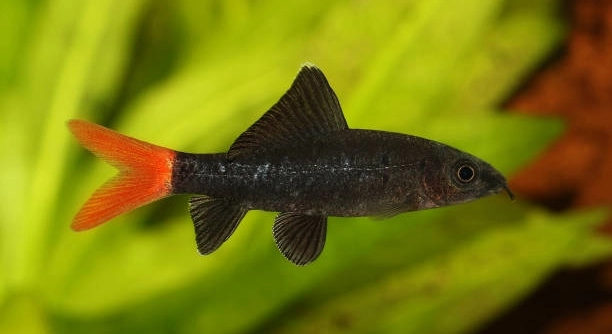
Many aquarium owners enjoy keeping rainbow sharks for their vibrant colors and active nature. These fish thrive in well-planted tanks that mimic their natural environment. Proper plant coverage is essential for their health and behavior to stay balanced and calm.
Rainbow sharks require sufficient plant density to feel secure and reduce stress. Lack of plants can cause increased aggression, hiding, and poor appetite, all signs that the environment is not meeting their needs. Ensuring enough plants supports their natural habits and overall well-being.
Recognizing these signs early helps maintain a healthy and peaceful aquarium environment for your rainbow shark and other tank inhabitants.
Signs of Stress in Your Rainbow Shark
Rainbow sharks often show stress when their environment lacks adequate plants. You might notice your fish hiding more than usual or acting aggressively toward other tank mates. Stress can also affect their appetite, causing them to eat less or refuse food. These behaviors are clear indicators that your rainbow shark needs more natural cover to feel safe. Plants offer hiding spots and reduce territorial disputes, which helps maintain peace. Without enough plants, the fish become restless and more prone to injury. Keeping the tank well-planted is crucial for their comfort and health.
Stress impacts your rainbow shark’s immune system, making it more vulnerable to diseases. The presence of plants creates a calming effect, which can reduce stress-related behaviors significantly.
Providing a variety of plants in different sizes and shapes creates an ideal habitat. This helps the fish feel secure, leading to more natural behavior and better health overall.
How Plant Density Affects Behavior
Plant density directly influences your rainbow shark’s activity levels. Dense vegetation offers safe zones that encourage exploration and reduce stress. Without this, your fish may spend too much time hiding or become overly aggressive. Plants act as natural boundaries that help define territories peacefully, which is important for these semi-aggressive fish. The right balance of plants allows them to thrive and display their vibrant colors more confidently.
Adding live plants also improves water quality by absorbing nitrates and providing oxygen. This creates a healthier environment that supports your fish’s well-being over time. Ensuring enough plants in your tank benefits both behavior and water conditions, which are essential for your rainbow shark’s happiness. Regularly assessing plant growth and replacing any dying plants will help maintain this balance effectively.
Choosing the Right Plants
Choosing the right plants for your rainbow shark’s tank is essential. Opt for hardy species that tolerate their activity and water conditions well.
Some good options include Java fern, Anubias, and Cryptocoryne. These plants are tough, don’t require excessive light, and attach well to rocks or driftwood. Avoid delicate plants that the shark might uproot or damage easily. Floating plants can also provide shade and hiding spots, helping reduce stress. The right plants create a balanced habitat that supports your fish’s natural behavior and health, preventing aggression and promoting calmness.
In addition, these plants improve water quality by absorbing excess nutrients, which benefits the entire tank ecosystem. Regular trimming and maintenance keep plants healthy and prevent overcrowding. This balance between plant types and density ensures your rainbow shark feels secure while maintaining an attractive tank environment.
Monitoring Your Tank Environment
Maintaining proper water conditions is key when adding more plants. Monitor parameters like pH, temperature, and nitrate levels closely to support both plants and fish. Healthy plants thrive in stable conditions, and a stable environment keeps your rainbow shark comfortable.
Regular water changes and testing help detect imbalances early, preventing stress and illness. Ensure your tank has adequate lighting suited to the plant species you choose. Insufficient or excessive light can harm plants and disrupt the ecosystem. Balancing light, nutrients, and water quality fosters strong plant growth, which benefits your rainbow shark’s health. This care helps create a harmonious tank where both plants and fish flourish together.
Signs of Boredom
When rainbow sharks lack enough plants, they may show signs of boredom. This can include restless swimming or repeatedly chasing tank mates.
These behaviors indicate that the fish needs more stimulation and hiding spots. Plants provide both shelter and an environment to explore, helping reduce boredom and aggression.
Plant Maintenance Tips
Regular maintenance is necessary to keep plants healthy and thriving. Remove dead leaves promptly to prevent decay and water quality issues. Trimming overgrown plants allows light to reach lower areas, promoting balanced growth. Keeping the plants in good condition supports your rainbow shark’s habitat and overall tank health.
How Overcrowding Affects Your Fish
Too many plants can limit swimming space, causing stress and territorial disputes. Maintaining a balance between open areas and plant coverage is important for your fish’s comfort and natural behavior.
Observing Changes in Appetite
A drop in appetite may signal stress caused by insufficient plants or poor tank conditions. Monitoring feeding habits helps identify when adjustments to the environment are needed.
FAQ
How many plants does a rainbow shark need in its tank?
Rainbow sharks do best with moderate to dense plant coverage. Generally, filling about 50-70% of the tank with live plants creates a good balance. This allows enough hiding spots and territory markers while leaving enough open swimming space. The exact number depends on tank size and plant types, but aim for a mix of tall and low plants.
Can I use artificial plants instead of live ones?
Artificial plants provide hiding spots but lack benefits like oxygen production and nutrient absorption. Live plants help maintain water quality and create a more natural habitat. If using artificial plants, try to supplement with live plants or other natural elements to support the tank’s ecosystem.
What plants should I avoid with rainbow sharks?
Avoid very delicate or slow-growing plants, such as some types of moss or fragile stem plants. Rainbow sharks can uproot or damage these easily. Also, avoid plants that require very high light or CO2 levels, as these are harder to maintain and may not thrive in a typical rainbow shark tank.
How do I know if my plants are enough for my fish?
Watch your rainbow shark’s behavior closely. Signs like hiding, aggression, or restless swimming suggest it needs more cover. Healthy plants that stay green and don’t show decay are a good sign that the environment is balanced. Regular observation helps you adjust plant density as needed.
Will adding more plants improve water quality?
Yes, live plants absorb nitrates and other waste products, helping reduce toxins in the water. This benefits all tank inhabitants and supports a stable, healthy environment. Plants also release oxygen during the day, which improves water oxygen levels and fish health.
How often should I trim my aquarium plants?
Trimming frequency depends on the plant species and growth rate. Generally, trim every 2-4 weeks to prevent overcrowding and remove dead or dying leaves. Regular trimming encourages healthy growth and keeps plants from blocking light to lower parts of the tank.
Can plants help reduce aggression in rainbow sharks?
Yes, plants create visual barriers and hiding spots, reducing territorial disputes and stress. With enough plants, rainbow sharks are less likely to chase or nip at tank mates. A well-planted tank promotes peaceful behavior and natural activity.
Is lighting important for plants in a rainbow shark tank?
Proper lighting is crucial for plant health. Most common aquarium plants need moderate light for about 8-10 hours daily. Too little light causes poor growth, while too much can encourage algae blooms. Use a timer to maintain consistent lighting and prevent sudden changes.
What should I do if my plants keep dying?
Check water parameters like pH, temperature, and nitrate levels first. Poor water quality often causes plant death. Ensure you have suitable lighting and avoid overcrowding the tank. Adding plant fertilizers or CO2 supplements can help if plants lack nutrients.
Can adding plants reduce algae problems?
Healthy plants compete with algae for nutrients, which can help keep algae growth under control. However, too much light or excess nutrients may still cause algae blooms. Maintaining a balance of plants, light, and regular cleaning helps prevent algae issues.
Are floating plants good for rainbow sharks?
Floating plants offer shade and additional hiding spots, which can reduce stress. They also help absorb excess nutrients and limit light penetration, which controls algae. Just be careful not to let floating plants cover the entire water surface, as this can reduce oxygen exchange.
What role do plants play in the overall tank ecosystem?
Plants stabilize the tank by improving water quality, providing oxygen, and creating natural hiding places. They support beneficial bacteria and help cycle nutrients. A well-planted tank mimics the rainbow shark’s natural habitat, encouraging natural behaviors and reducing stress.
How can I encourage my rainbow shark to use the planted areas?
Place plants strategically to create pathways and hiding spots near open swimming zones. Avoid overcrowding, which can trap fish in small spaces. Adding driftwood or rocks alongside plants can create varied terrain that encourages exploration and use of the planted areas.
Can I introduce plants after adding rainbow sharks to the tank?
Yes, but be prepared for some initial disturbance. Rainbow sharks may uproot new plants at first as they establish territory. Using heavy or rooted plants and securing them well can help. Over time, the fish usually learn to coexist peacefully with the plants.
Do rainbow sharks eat plants?
Rainbow sharks are primarily omnivores and generally don’t eat healthy plants. However, if stressed or lacking food, they may nibble on soft plants or uproot them while exploring. Providing sufficient hiding spots and a proper diet reduces this risk.
What are the best substrate choices for planting with rainbow sharks?
Fine gravel or sand works well to anchor plants securely. Avoid sharp or rough substrates that might harm the fish. A nutrient-rich substrate can support plant growth, but supplements like root tabs may be necessary for certain species.
How do I balance plants and swimming space?
Aim for at least 30-50% open water in the tank to allow free swimming. Dense plants near the edges and scattered clumps inside the tank create a comfortable balance. This setup reduces stress and aggression by providing both shelter and space for activity.
Adding the right amount of plants to your rainbow shark’s tank is important for its health and behavior. Plants provide shelter, reduce stress, and create a natural environment that helps the fish feel secure. Without enough plants, rainbow sharks may become aggressive, restless, or lose their appetite. Paying attention to how your fish behaves can help you decide when to add more plants. Healthy, well-maintained plants also improve water quality by absorbing waste and producing oxygen. This balance between plants and open space is key to keeping your rainbow shark comfortable and active.
It is important to choose plants that can withstand the activity of rainbow sharks. Hardy plants like Java fern, Anubias, and Cryptocoryne are good options because they attach well and don’t get damaged easily. Floating plants can add shade and extra hiding places, which help reduce stress. At the same time, keeping the tank well-lit and regularly trimming plants supports healthy growth and prevents overcrowding. Monitoring water quality and adjusting plant care will maintain a stable environment where both plants and fish thrive. Over time, you will see your rainbow shark display more natural behavior and better health.
Taking care of your tank environment goes beyond just adding plants. Proper water parameters, lighting, and maintenance routines are also essential. Regular water testing, cleaning, and plant trimming keep the tank balanced and prevent problems like algae growth or poor plant health. Observing your fish daily helps you spot any signs of stress or discomfort early, allowing you to make changes before problems worsen. With consistent care and attention to plant coverage, your rainbow shark can live happily in a peaceful and healthy aquarium. This thoughtful approach benefits not only your fish but the entire tank ecosystem.

Hello,
If you enjoy the content that we create, please consider saying a "Thank You!" by leaving a tip.
Every little bit helps us continue crafting quality advice that supports the health, happiness, and well-being of pets around the world, for pets of all shapes, sizes, and species.
We really appreciate the kindness and support that you show us!